Vitanova Foundation: Free Day Treatment and Residential Support for Addiction in Woodbridge, Vaughan
The Vitanova Foundation is a not-for-profit corporation chartered by the Province of Ontario and a registered charity that has worked in the City of Vaughan since 1987. It began as a one-on-one counselling service and now runs a day treatment program, a residential shelter for men, aftercare, family support groups and community outreach, all at no charge.
The core program is day treatment, Monday to Friday from 9 am to 5 pm, with no fixed discharge date; most people stay three to four months. Men who are homeless or at risk of homelessness because of substance use can live on site in Vitanova's shelter while they attend. Treatment is abstinence-based and client-centred, and graduates are asked to keep coming to aftercare for at least 18 months.
Day treatment with no set end date
Vitanova's day program runs Monday to Friday, 9 am to 5 pm. It mixes group and individual sessions with practical life skills, including chore assignments, and the centre does not set a discharge date, though most people stay three to four months. Treatment is abstinence-based and individualized, and Vitanova treats relapse as part of recovery and a chance to learn, responding to rule breaks in an educational rather than punitive way.
A former residence on eight acres in Vaughan
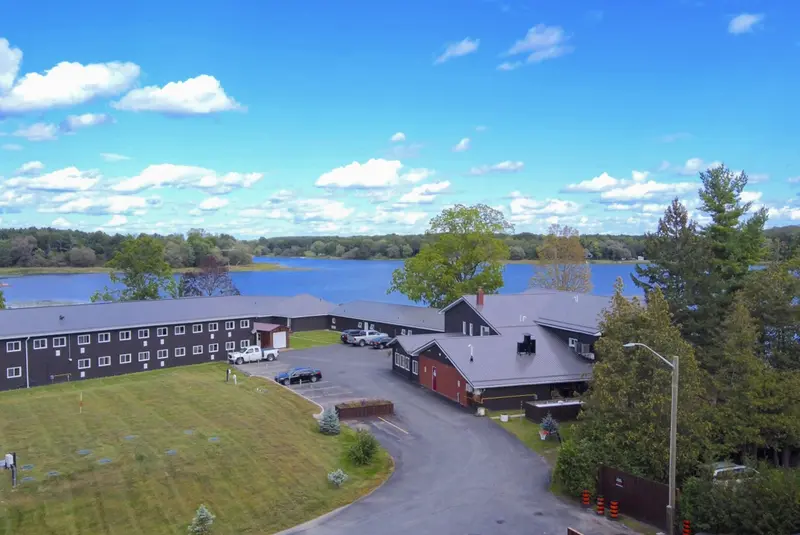
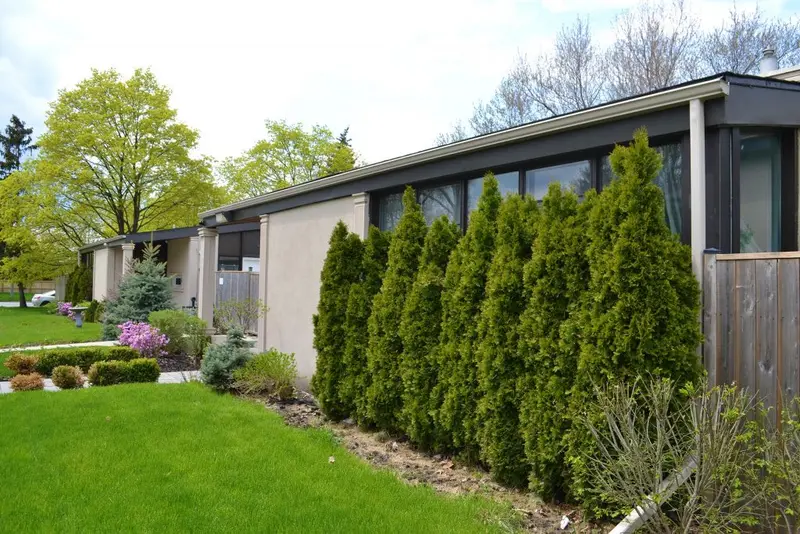
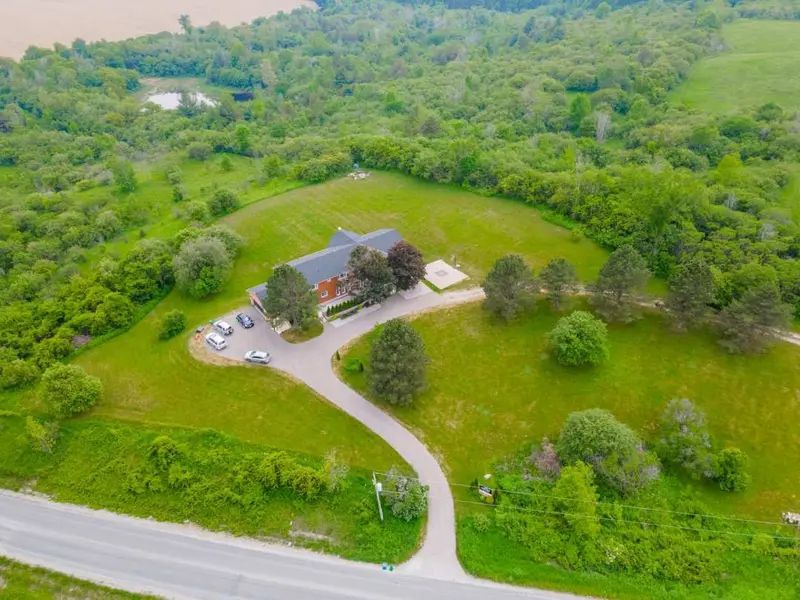
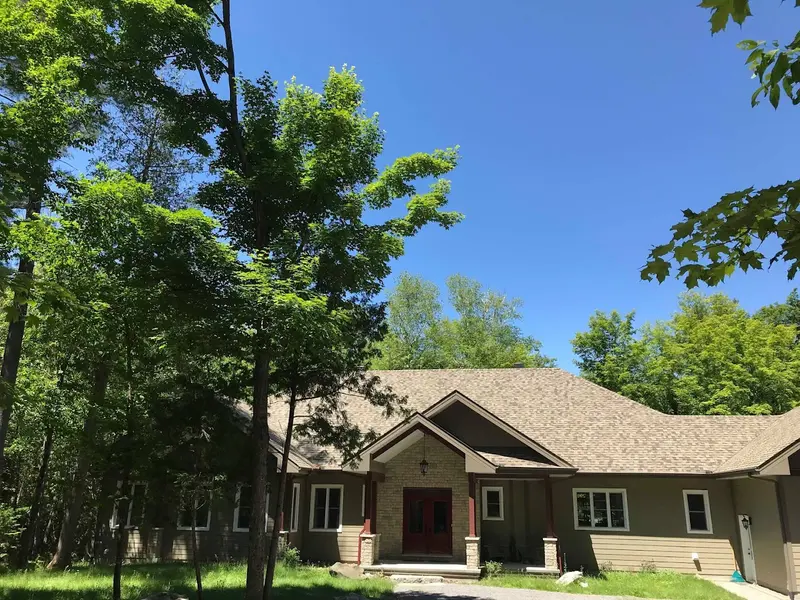
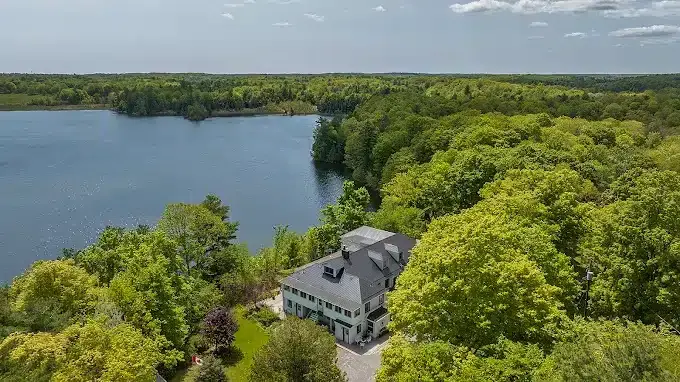
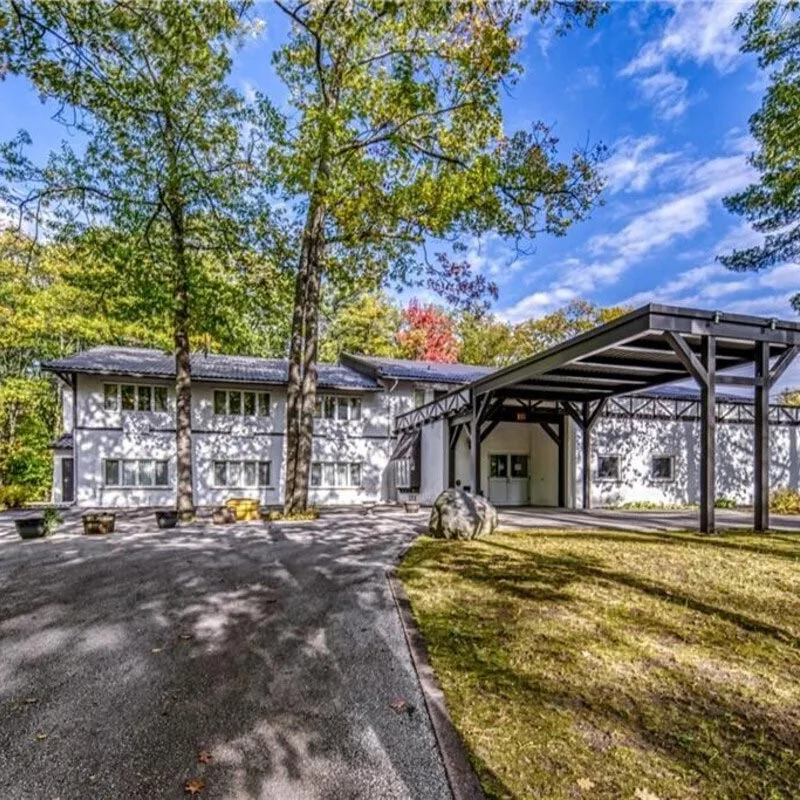
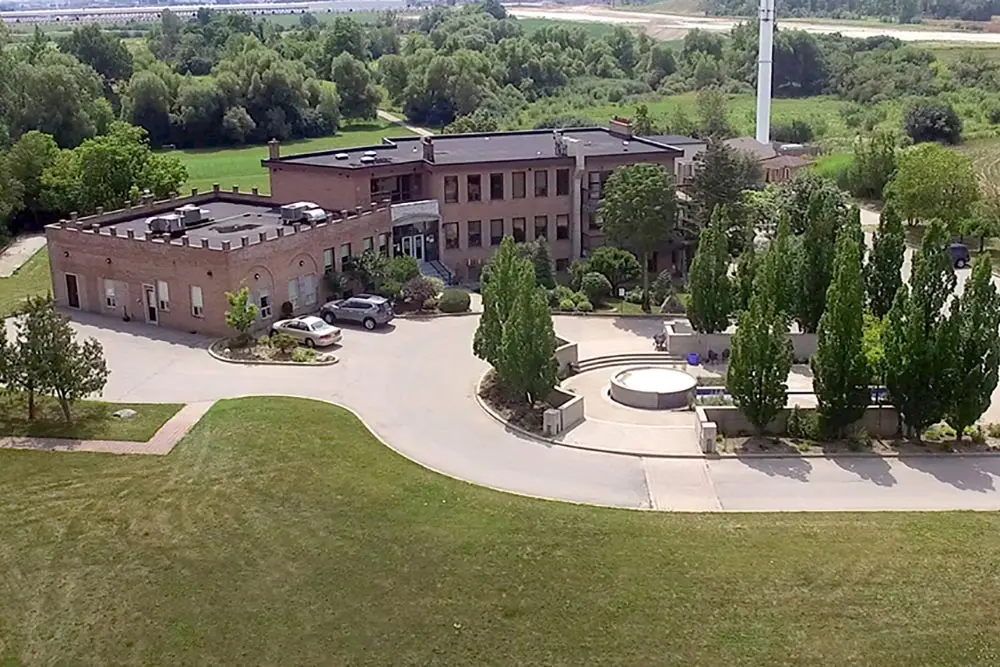
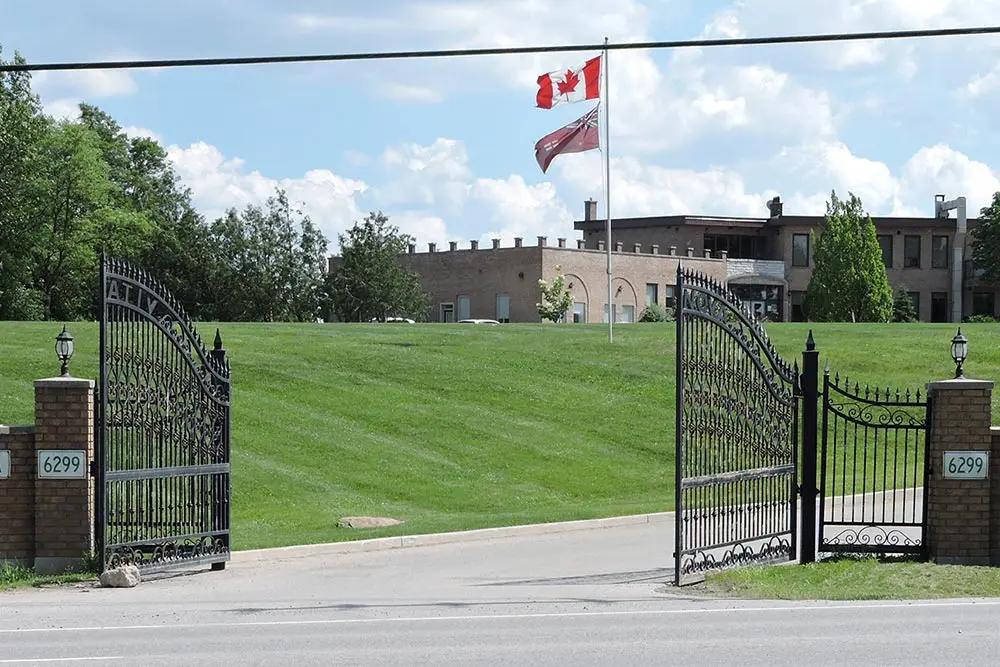
Vitanova has been on Rutherford Road, near Highway 427, since 1995. Its main building is a former residence of about 17,000 square feet over three floors, with offices, meeting rooms, the shelter, an indoor pool and a gymnasium. Most of the property is open space: rolling lawns, a soccer pitch, volleyball and bocce courts, a vegetable garden and woods beside a creek. A newer building holds a chapel and a separate meditation room.
Eighteen months of aftercare and family groups
Graduates of day treatment are asked to attend aftercare for at least 18 months, and people who finished a program elsewhere can join too if Vitanova is closer to home. Family members and anyone affected by a loved one's substance use can come to the weekly family support group on Tuesday evenings. The Andrew Robinson Scholarship covers post-secondary tuition for former clients with at least three years of sobriety.
Vitanova Foundation: Centre Overview
Getting started is simple. You can refer yourself, or a doctor, lawyer or family member can refer you. Vitanova does a pre-screening and pre-assessment to check the program is a good match, then an in-depth assessment. If you need something first, such as a detox centre, staff make a short-term referral, and once you are admitted you go through orientation and are assigned a primary counsellor.
The domiciliary shelter gives men who are homeless or at risk of homelessness because of substance use a place to live while they are in treatment. Residents must commit to the day program for at least three months. Vitanova has also planned a women's program, with dedicated space on the lower level of the chapel building and a focus on women with young children; check with the centre whether it is running yet.
What's included in your stay
11 services · as described on the centre's websiteVitanova is part of an opioid community treatment partnership with five other mental health and addiction agencies. That outreach work covers finding people who need help, referral to case management, links to primary care, crisis intervention, medication support and advocacy. The centre also runs youth awareness work in elementary, secondary and post-secondary schools.
Services are offered in several non-official languages, and family and community involvement is encouraged. Day treatment is funded by a government subsidy, while the rest of Vitanova's work depends on fundraising and donations.
From first call to aftercare
The intake process Vitanova describes on its programs pageSelf-referral, or a referral from a doctor, lawyer or family member.
A pre-assessment to see whether the program is a good match.
An in-depth assessment, with a short-term referral such as detox if needed.
Orientation, a primary counsellor and usually three to four months of programming.
At least 18 months of aftercare once you are discharged.