
What are benzodiazepines?
Benzodiazepines are sedatives that slow brain activity. Doctors prescribe them for anxiety, panic attacks, sleep problems and seizures, and they work quickly, which is part of why they are easy to rely on. Over time the body adapts: the same dose does less, and stopping brings rebound anxiety and insomnia. Physical dependence can develop with or without a prescription. The risks rise sharply when benzos are mixed with alcohol or opioids, since all three slow breathing. Health Canada also warns that benzodiazepines are often mixed into illegal opioids, and naloxone does not reverse them. They belong to the wider group of tranquilisers.
Wear off faster, so withdrawal can begin within hours of a missed dose.
Withdrawal may start days later and peak in the second week.
Often mixed with opioids; naloxone won't reverse them, so sedation can last hours.
Signs of benzodiazepine addiction
Many people become dependent on benzos while following a doctor's instructions. Addiction shows up when the pills start driving decisions and cutting back feels impossible.
Physical
- Drowsiness, slurred speech or unsteady walking
- Memory gaps or confusion
- Anxiety or insomnia between doses
- Shaking or sweating when a dose is late
- Falls, especially in older adults
Behavioural
- Taking more or longer than prescribed
- Getting prescriptions from several doctors
- Mixing benzos with alcohol or opioids
- Constant worry about running out
- Driving or working while impaired
Recognizing a benzodiazepine overdose
- 1Call 9-1-1 right away
- 2Give naloxone; opioids may be present
- 3Stay with them until help arrives
- 4Tell paramedics what was taken
Benzodiazepine withdrawal: why it needs medical care
Benzodiazepine withdrawal can be dangerous. Stopping suddenly after regular use can cause seizures and delirium, which can be fatal, so coming off should happen through a slow taper planned with a doctor, never cold turkey. Timing depends on whether the drug is shorter- or longer-acting.
Shorter-acting start
With lorazepam or alprazolam, anxiety, insomnia, sweating and shaking can begin within hours of the last dose.
Longer-acting start
Diazepam withdrawal may not begin for a day or more. Seizure risk is highest after an abrupt stop.
Peak and easing
Symptoms peak, then ease; longer-acting drugs can peak in week two. Confusion or hallucinations need urgent care.
Lingering symptoms
Anxiety, poor sleep and low mood can linger for months and are often mistaken for the original problem.
Finding the right treatment for benzodiazepine addiction

The safest way off benzodiazepines is a gradual taper planned with a doctor, lowering the dose in small steps and pausing when symptoms flare. Some people finish in a few weeks; others need several months. Cognitive behavioural therapy, including CBT for insomnia, treats the anxiety and sleep problems that usually led to the prescription. No medication replaces benzodiazepines the way opioid agonist treatment does for opioids. People on high doses, those with a seizure history, and those also drinking heavily or using opioids may need inpatient medical detox to start.
Medical detox
Inpatient monitoring for high doses, past seizures or mixed alcohol and opioid use, before a longer taper.
Learn moreOutpatient taper
Small dose cuts every week or two, planned with a prescriber and paused if symptoms flare.
Learn moreResidential rehab
Live-in counselling and medical oversight for people who have not managed to taper at home.
Learn moreCBT and counselling
Skills for anxiety, panic and insomnia so the underlying problem is treated without pills.
Learn moreBenzodiazepine is a prescription medicine that can cause addiction. A person can become addicted to this kind of drug in two ways: either he gets addicted to it due to its recreational use or he develops benzodiazepine addiction or dependence as a prescribed medicine. In Canada, benzodiazepine addiction is a common problem. It has been discovered that drivers with fatal injuries have benzodiazepine running through their system and the ill-effects of this drug is seen in many Canadian provinces today.
Benzodiazepine Dependence and Treatment: What is Benzodiazepine?
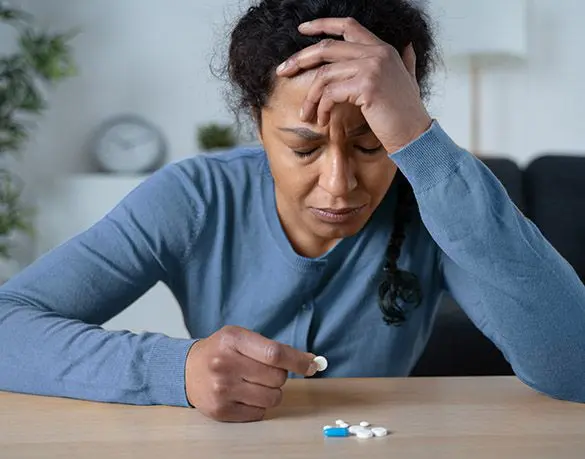
Quebec is one of the provinces in Canada that comes with a large number of addictions that are associated with the use of benzodiazepine. Quebec has a rate of 35.9 percent, the highest among all provinces, and Prairies with 18.2 percent being the lowest. Surprisingly, studies have shown that benzodiazepine is commonly prescribed to women so this is a clear indication that in Canada, it is the women who are more prone to benzodiazepine addiction.
In 1992, people who were involved in traffic accidents have been found with benzodiazepine in their systems, making benzodiazepine addiction as a third most common reasons for traffic accidents in Ontario. It was also in the year 1998 when a study was conducted among elderly and it was found out that 22.5 percent of these fellows were taking benzodiazepine along with other kinds of drugs, which can be very dangerous as it can cause multiple drug addiction.
When someone becomes addicted to benzodiazepine, adverse effects are often expected and these can be very dangerous. Some of the commonly known adverse effects of benzodiazepine addiction include depression, rage and agitation. These are all conditions that become much worse when a person takes benzodiazepine. In some cases, suicidal thoughts are a common effect.
Where to start: compare medical detox centres in Canada, detox centres in Canada, residential drug rehabs in Canada, outpatient drug rehab centres, or look at free and publicly funded rehab centres if cost is a concern. Our benzodiazepine withdrawal guide explains what to expect when you stop.
On Finding the Right Treatment for Benzodiazepine Addiction
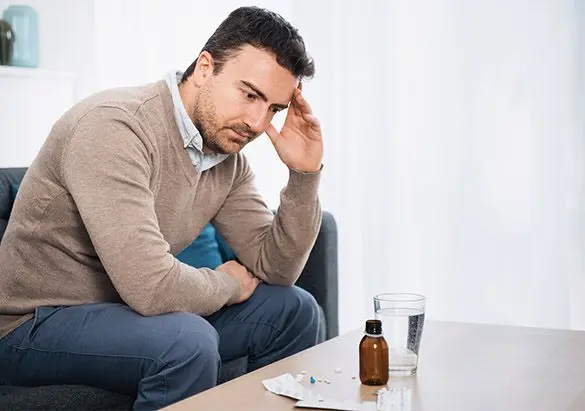
As of the present days, there are many rehabilitation centers that are scattered in Canada and the all offer ways to help a patient recover from his addiction. These rehabilitation centers often come with various types of programs and procedures to meet the respective need and requirement of every patient. In addition, these centers are also staffed with professionals who work in a dedicated and persistent manner to help every patient recover and get back to his normal life.
There are several places wherein you can find help and assistance in relation to benzodiazepine addiction. In fact, there are different settings for drug rehabilitation centers and these usually include outpatient, residential, and others. We at Addiction Rehab Centres Canada offers safe and effective programs that can help our patients overcome their addiction. We also offer substantial pieces of advice rendered by our professional counselors. This way, you will get the proper assessment and the best option for you or your loved one.
Talk To One Of Our Specialists By Calling 1-855-885-4747
- Health Canada: Benzodiazepines
- Health Canada: Updates to safety labelling for benzodiazepines and benzodiazepine-like drugs
- Deprescribing.org: Is a benzodiazepine or Z-drug still needed for sleep? (patient pamphlet)
- Health Canada: Canada's overdose crisis and the toxic illegal drug supply
- PsychDB: Sedative, hypnotic or anxiolytic (benzodiazepine) withdrawal