
What is cocaine?
Cocaine is a stimulant made from the leaves of the coca shrub, grown mainly in South America. In Canada it is a Schedule I drug under the Controlled Drugs and Substances Act. It speeds up the brain and heart, bringing a short burst of energy, confidence and euphoria. Snorted, the high lasts about 15 to 30 minutes. Smoked or injected, it hits harder and fades within 5 to 10 minutes, and that short cycle is a big part of why people binge. Tolerance builds with regular use, and smoking crack is considered the most addictive way to use it. For a broader picture of care, see our guide to drug rehabilitation in Canada.
White powder that is snorted or dissolved and injected. Often cut with fillers.
Smokable forms with a faster, shorter high and the highest risk of addiction.
Using cocaine with opioids, together or one after another, raises overdose risk.
Signs of cocaine addiction
Cocaine addiction often hides behind a busy, high-energy lifestyle at first. Look for patterns over several weeks rather than one rough night.
Physical
- Dilated pupils and a racing heart
- Frequent nosebleeds or a constantly runny nose
- Nights without sleep, then long crashes
- Weight loss and skipped meals
- Burns on lips or fingertips (crack)
Behavioural
- Bursts of fast talking, then irritability
- Binges that last hours or days
- Missing money or unexplained debts
- Paranoia or sudden angry outbursts
- Needing more to get the same high
Recognizing a cocaine overdose
- 1Call 9-1-1 right away
- 2Give naloxone if breathing slows
- 3Move them somewhere cool and calm
- 4Stay with them until help arrives
What cocaine withdrawal feels like and how long it lasts
Cocaine withdrawal is not usually physically dangerous, and it rarely causes the vomiting or shaking seen with alcohol or heroin. The hard part is mental: a heavy crash, low mood and intense cravings. Depression after heavy use can bring suicidal thoughts, so stay close and get help if they appear.
Crash
Exhaustion, agitation, low mood and strong cravings start almost as soon as a binge ends.
Low point
Long sleep, big appetite, vivid unpleasant dreams, slowed thinking and flat mood. Relapse risk is high.
Easing
Sleep and energy improve, but cravings can hit hard around old triggers, people and places.
Recovery
After long-term heavy use, cravings and depression can last for months. Ongoing counselling helps most here.
Finding the right treatment for cocaine addiction

No medication is approved to treat cocaine addiction, so care is built on counselling. The approaches with the best evidence are contingency management, which gives small rewards for drug-free tests, and cognitive behavioural therapy (CBT), which teaches people to spot high-risk situations and cope without using. For most people, outpatient care works as well as inpatient care. Residential treatment makes sense when use is daily, home is unsafe, or depression, psychosis or opioid use comes with the cocaine.
Outpatient program
CBT and contingency management while living at home. Works well for most people with stable housing and support.
Learn moreResidential rehab
Round-the-clock structure away from triggers, for daily use, repeated relapse or mental health concerns.
Learn moreMedical detox
Supervised care when severe depression, psychosis or other drug use make the first days unsafe.
Learn moreSupport groups
Peer groups such as Cocaine Anonymous or other 12-step meetings support recovery after formal treatment ends.
Learn moreCocaine addiction is one of the most common problems not only in Canada but in many different parts of the world today. In 2004, about 10.6 of the country’s population said that they had made use of cocaine in their lives and 2 percent made use of it just recently. With this picture in mind, people who belong to this population are more likely to become cocaine addicts. In the Canadian streets, cocaine addiction spiked at 17.3 percent. This is a clear indication that young people in the streets simply suffer from cocaine addiction.
Cocaine Addiction: What is it?

In the year 2004 in Quebec, about 2.5 percent of the province’s population had taken cocaine within the previous year and some are already addicted to it. Ontario and Toronto have also seen a significant increase when it comes to cocaine addiction and this has caused a great alarm on the part of the government and the authorities. With all the crimes and issues that are related to cocaine addiction, the Canadian government is working on a campaign that aims to eliminate cocaine addiction in the country in a safe, humane and effective way possible.
Cocaine as an Addictive Drug
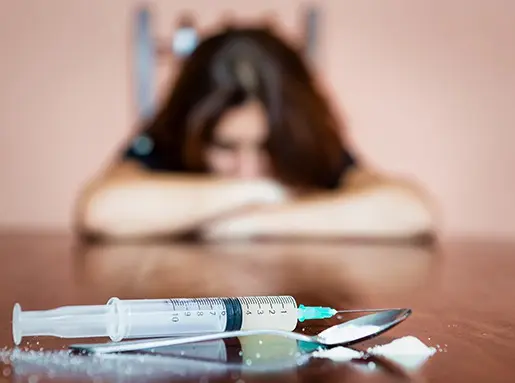
Cocaine is touted to be a very addictive kind of drug that usually comes in many different forms. In the country, crack cocaine happens to be the most popular, highly available and the most addictive type of cocaine. When a person takes crack cocaine, he will then initially develop a sort of psychological addiction due to the high effects it causes. As a person continues to use crack cocaine he will then develop a physical addiction over time. This simply means that as someone continues using cocaine, he will soon find it hard to quit. This also makes it hard for him to fight off his cocaine addiction as well.
Cocaine Addiction Withdrawal Symptoms
The following are some of the most common signs and symptoms of a person withdrawing from cocaine addiction:
- Depression
- Agitation, anxiety
- Extreme fatigue
- Anger
- Intense craving for cocaine
- Outbursts
- Nausea/Vomiting
- Lack of motivation
- Irritability
- Shaking
- Sleeplessness
- Muscle pain
Where to start: compare medical detox centres in Canada, detox centres in Canada, residential drug rehabs in Canada, outpatient drug rehab centres, or look at free and publicly funded rehab centres if cost is a concern. Our cocaine withdrawal guide explains what to expect when you stop.
When a person is overdosed with cocaine, the known effects are known to be extremely intense and oftentimes, short in nature. While this seem to be very common, cocaine-related fatalities have also been recorded and such deaths are due to heart attack, seizures, kidney failure, repeated convulsions, stroke and brain hemorrhage.
Finding a Treatment for Cocaine Addiction
At present, there are several places in Canada that offer treatments for cocaine addiction. Addiction Rehab Centres Canada is a rehabilitation center in Canada that offers professional services, programs and treatment procedures that aim to help an addict recover from his addiction in a safe, holistic and effective way.
Talk To One Of Our Specialists By Calling 1-855-885-4747