
What is marijuana?
Marijuana is the dried flower of the cannabis plant, and its main intoxicating chemical is THC. The Cannabis Act made recreational use legal for adults in 2018, with the minimum age set by each province. Health Canada estimates that 1 in 11 people who use cannabis will develop an addiction to it, rising to about 1 in 6 for those who start as teenagers and 25 to 50% for daily users. A cannabis overdose is not fatal, but addiction is its best-established long-term harm, and teens are especially vulnerable because their brains are still developing.
Canada's lower-risk guidelines advise avoiding smoking, deep inhalation and breath-holding.
Effects can take up to 2 hours to start and last up to 12.
Illegal edibles can hold hundreds of milligrams of THC. Legal packages are capped at 10 mg.
Signs of marijuana addiction
Cannabis use disorder develops slowly, so the signs are easy to miss. Health Canada describes it as using more than intended, being unable to cut back, and letting use crowd out work, school or family.
Physical
- Needing more to feel the same effect
- Irritability and poor sleep when not using
- Loss of appetite or upset stomach without it
- Bouts of severe nausea and vomiting
- Memory or concentration problems
Behavioural
- Using more often or longer than planned
- Unable to cut down despite trying
- Missing work, school or family duties
- Giving up activities once enjoyed
- Continuing despite paranoia or low mood
When marijuana needs emergency help
- 1Child exposed: go to emergency now
- 2Call 911 if breathing is slow
- 3Call a poison centre for advice
- 4Keep cannabis locked and labelled
What marijuana withdrawal feels like and how long it lasts
Cannabis withdrawal is real but not dangerous. Symptoms such as irritability, anxiety and poor sleep peak in the first few days and usually last one to two weeks, though after heavy, long-term use they can last several weeks and sleep problems may hang on longer.
Onset
Irritability, anxiety, restlessness, low appetite and upset stomach begin. Sleep is often broken.
Peak
Mood swings, sweating and cravings are at their strongest. This is when relapse is most likely.
Easing
Most symptoms settle for most people. Appetite and mood start returning to normal.
Sleep and habits
After heavy, long-term use, withdrawal can last several weeks, and sleep problems may last longer.
Finding the right treatment for marijuana addiction

There is no medication approved in Canada specifically for cannabis use disorder. Talk therapy is the main treatment: cognitive behavioural therapy (CBT), motivational enhancement therapy and contingency management help people cut back or stop and manage cravings. Most people are treated as outpatients. Residential care makes sense when marijuana use comes with other drug use, psychosis, or depression and anxiety that need closer support. Treating sleep problems early helps, since poor sleep can make the first weeks hard.
Addiction assessment
A professional looks at how much and how often you use, your mental health and other substances.
Learn moreOutpatient program
Weekly CBT or motivational therapy sessions while you keep up work, school and family life.
Learn moreResidential rehab
Live-in care when cannabis use comes with other drugs, psychosis or serious depression or anxiety.
Learn moreYouth treatment
Programs built for teens, with family involvement, school support and counselling suited to younger brains.
Learn moreMarijuana: When someone abuses marijuana and craves for it to keep himself going then this is called marijuana addiction. In other words, a person is not capable functioning normally without a dose of cannabis.
What is Marijuana Addiction?
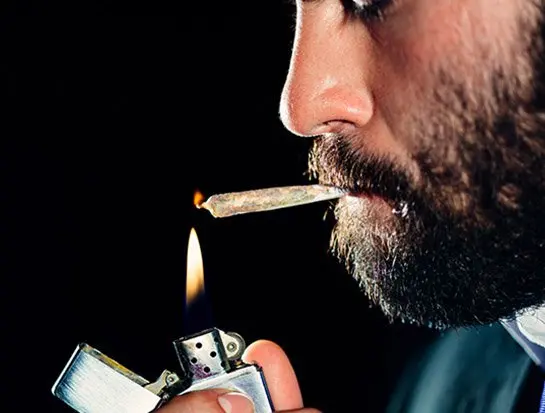
Of the many different kinds of drugs distributed and used illegally in Canada, marijuana happens to be one of the most popular. In many cases, cannabis or marijuana is commonly used for recreational purposes and it has been found out that ten percent of marijuana users have the risk of developing marijuana addiction. While cannabis is not very addictive, a person who makes use of it in an abusive manner finds it hard to quit it. Someone who is addicted to this drug simply loves his lifestyle so his addiction is quite strong and persistent. Marijuana has the following street names on which they also known for: Blow, Ganja, Hash, Dope, Grass and Draw.
The Effects of Marijuana
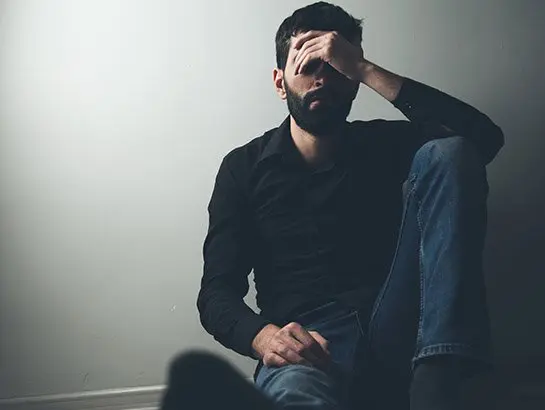
When taken in small doses, marijuana offers a stimulating and relaxing sensation. In many cases, the system of users is enhanced and so with their appetite. However, if cannabis is taken in larger quantities, or when it is taken with stronger strains, the effects that will be experienced are similar to the effects of mushrooms and LSD. Users are also known to experience mild hallucinations, nausea, paranoia and anxiety. Taking this drug also increases heart rate, dryness of the mouth and reddening of the eyes. Other possible effects also include perceptual distortions, increased appreciation of sensory experiences, disassociation and elevation of mood.
Where to start: compare medical detox centres in Canada, detox centres in Canada, residential drug rehabs in Canada, outpatient drug rehab centres, or look at free and publicly funded rehab centres if cost is a concern. Our cannabis withdrawal guide explains what to expect when you stop.
Who Uses Marijuana?
Marijuana or cannabis has been very popular and widely used app over the world for a long, long time now. In Canada, cannabis is frequently used as an illicit drug and almost half of the Canadian population has admitted that they used marijuana at least once in their lifetime. On the other hand, many people in the country have also admitted that they make use of marijuana regularly and obviously, this can be an indication of marijuana addiction.
Cannabis use is simply widespread in the country and it is alarming to note that children as young as 12 years old take part in the illicit use of this drug. On account to this, the Canadian government is simply posed to curbing this problem as it so happens that many crimes, accidents and other untoward incidents are attributed to marijuana use and addiction.
Finding a Treatment for Marijuana Addiction
If you have been using marijuana and you find it hard to quit it then you are suffering from marijuana addiction. And if recovering from your addiction is something that you think is hard, we at Addiction Rehab Centres Canada can help you with your treatment the safe, effective and professional way possible. With us, you’ll enjoy living a normal life soon.
Talk To One Of Our Specialists By Calling 1-855-885-4747