What is prescription drug addiction?
Prescription drug addiction means using a medication in ways it was not prescribed: higher doses, more often, by a different route such as crushing and snorting, or without a prescription at all. The three groups most often involved are opioid painkillers, sedatives for anxiety and sleep, and stimulants for ADHD. Each acts on the brain differently, so the risks and the treatment differ too. Many people start with a legitimate prescription. Others get pills from friends, a family medicine cabinet or the street, where counterfeit tablets may contain fentanyl. Our prescription drug rehab guide covers treatment options in detail.
Main risk is slowed breathing and overdose, especially from fentanyl-laced fake pills.
Stopping suddenly after regular use can cause seizures; taper with a doctor.
High doses can cause psychosis, overheating, seizures, heart attack or stroke.
Signs of prescription drug addiction
The signs depend on the drug, but the pattern is similar: the medication starts to matter more than the reason it was prescribed.
Physical
- Drowsiness, slurred speech or poor balance
- Pinpoint pupils or nodding off (opioids)
- Racing heart, little sleep (stimulants)
- Withdrawal symptoms when a dose is late
- Needing more for the same effect
Behavioural
- Running out of prescriptions early
- Seeing several doctors for refills
- Pills missing from family medicine cabinets
- Crushing, snorting or injecting tablets
- Buying pills online or on the street
Recognizing a prescription drug overdose
- 1Call 9-1-1 right away
- 2Give naloxone if opioids are possible
- 3Stay with them until help arrives
- 4Tell paramedics what was taken
What withdrawal feels like and how long it lasts
Withdrawal depends on the drug. Opioid withdrawal is very uncomfortable but rarely life-threatening. Sedative withdrawal (benzodiazepines, z-drugs, barbiturates) can cause seizures and can be fatal, so it needs a slow taper with medical supervision. Stimulant withdrawal mostly brings exhaustion, low mood and cravings.
Opioids
Anxiety, aches, sweating and runny nose, then nausea, cramps and diarrhea. Rarely dangerous, but relapse risk is high.
Sedatives
Anxiety, tremor and insomnia start sooner with short-acting drugs. Seizures are possible, so never stop suddenly.
Stimulant crash
Heavy tiredness, long sleep, low mood and cravings. Watch closely for depression or suicidal thoughts.
Lingering effects
Poor sleep, anxiety and cravings can linger. Ongoing counselling helps prevent relapse.
Finding the right treatment for prescription drug addiction

Treatment matches the drug. For prescription opioids, opioid agonist treatment with methadone or buprenorphine is the first-line medical approach in Canada. For benzodiazepines and other sedatives, the core is a slow, supervised taper over weeks to months, with cognitive behavioural therapy for anxiety or insomnia. No medication is approved in Canada to treat stimulant addiction, so counselling such as CBT is the main tool. Many people also have pain, anxiety or ADHD that needs its own care plan, so good programs work with the prescribing doctor.
Medical detox
Supervised withdrawal, essential for sedatives, with a plan for the next stage of care.
Learn moreMedication support
Opioid agonist treatment for opioid addiction, or a structured taper for sedatives, managed by a prescriber.
Learn moreResidential rehab
Live-in program with daily counselling, medical oversight and aftercare planning.
Learn moreOutpatient program
Counselling and group support while living at home, often after detox or residential care.
Learn morePrescription drugs are legal drugs which are commonly prescribed and used due to their medicinal value. Unfortunately, there are people who abuse these drugs, using them for recreational purposes instead of treating illnesses to which they are intended for. Since these drugs are easier to obtain, many people resort into using these drugs so as to get the high they want to achieve. These drugs are known for their addictive properties and people who are addicted to them simply find it hard to stop.
What is Prescription drugs Addiction?
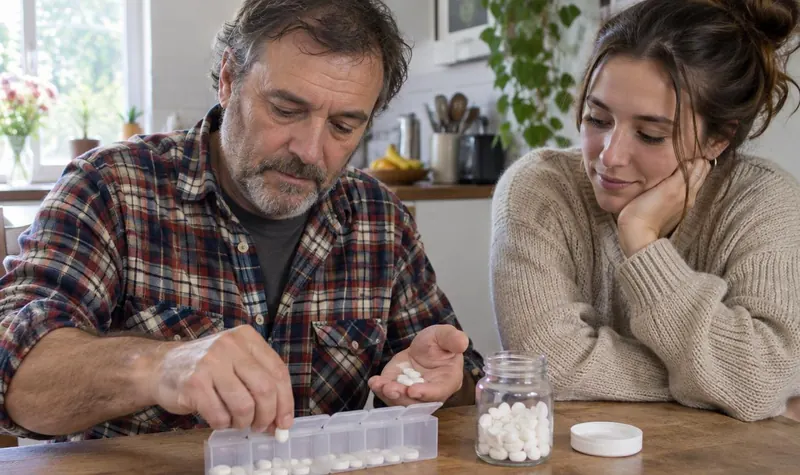
When someone has become addicted to prescription drugs this should make him realize that he is in a serious condition. Not to mention the unwanted consequences that he may go through, physically and mentally. Different kinds of symptoms are also attributed to prescription drugs dependence or addiction. When someone has to lie to get more of the drugs then this is a symptom of addiction. A person who is also addicted to prescription drugs often experience mood swings. It is also common to see a prescription drugs addict person who is taking more than what is required, or he is taking the prescriptions of others. Addiction to prescription drugs commonly happens due to long-term use or recreational use. These are all the reasons why prescriptions drugs can also be very dangerous.
All around the world, Canada happens to be one of the heaviest producers and consumers of prescription drugs and that the level of abused prescription drugs continues to increase over time. Thus, this simply pictures Canada being problematic about the illegal use of prescription drugs. It was in the year 2002 when authorities found out that there were 7 percent more individuals who were using Dilaudid, a kind of prescription drug, than there were individuals using heroin. Between 2002 and 2004, the percentage of people who make use of prescription drugs for recreational purposes, increased by 1 percent each year.
Where to start: compare medical detox centres in Canada, detox centres in Canada, residential drug rehabs in Canada, outpatient drug rehab centres, or look at free and publicly funded rehab centres if cost is a concern. Our prescription drug abuse guide explains what to expect when you stop.
As far as prescription drug addiction and abuse are concerned, Canada actually placed fourth for countries that have the most number of prescription drugs addiction cases. More often than not, many Canadians get prescription drugs to treat different kinds of health conditions so this is something that elevates the level of addiction to these drugs. Surprisingly, prescription drug addiction has surpassed cannabis (marijuana) within the populace of Canada. According to a study, addiction to prescription drugs commonly starts in hospitals. These drugs are usually needed initially but soon become hard to stop after a while.
Finding a Treatment for Prescription Drug Addiction

Addiction Rehab Centres Canada is an authority that treats and rehabilitates people who have been addicted to drugs such as prescription drugs. For more information about the safe and effective way to get treated in your addiction, feel free to contact us today.
Talk To One Of Our Specialists By Calling 1-855-885-4747