
What is opium?
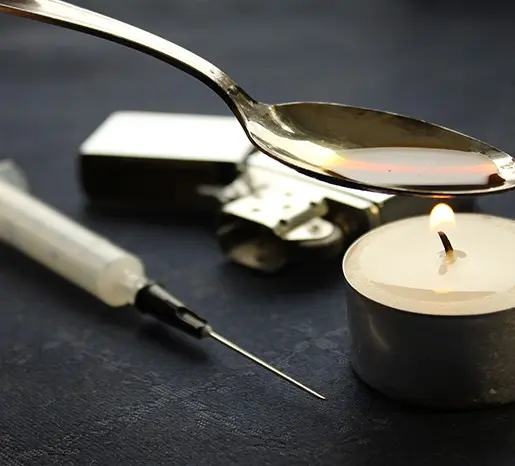
Opium comes from the milky sap of unripe poppy seed pods, which is scraped off and dried into a sticky dark resin or a brownish powder. It contains morphine and codeine, and it is the raw material for heroin. Most people smoke it, though it can also be swallowed or injected. Smoking brings a fast rush, then deep relaxation and pain relief, much like heroin. Strength varies a lot from batch to batch, and any illegal drug may be mixed with fentanyl or sedatives, so it is hard to know what a dose contains. Dependence develops the same way it does with other opioids.
Usually smoked; strength varies widely from one batch to the next.
All come from the poppy; dependence and withdrawal follow the same pattern.
Illegal opioids may contain stronger drugs you cannot see, taste or smell.
Signs of opium addiction
Opium slows the body down, so the signs look much like heroin or painkiller use. Watch for patterns over weeks rather than a single bad day.
Physical
- Pinpoint pupils and heavy eyelids
- Drowsiness or nodding off
- Constipation and a dry mouth
- Flu-like sickness between uses
- Needing more for the same effect
Behavioural
- Pipes, foil or sticky dark residue
- Secrecy about money and time
- Pulling away from family and work
- Continuing despite health or legal trouble
Recognizing an opium overdose
- 1Call 9-1-1 right away
- 2Give naloxone, even if unsure
- 3Stay with them until help arrives
- 4Repeat naloxone if breathing slows again
What opium withdrawal feels like and how long it lasts
Opium withdrawal feels like a severe flu: miserable, but rarely life-threatening on its own. The real dangers are dehydration from vomiting and diarrhea, and overdose if someone uses again after their tolerance has dropped.
Early symptoms
Anxiety, restlessness, sweating, runny nose, watery eyes, yawning, muscle aches and trouble sleeping.
Peak
Nausea, vomiting, diarrhea, stomach cramps, goosebumps and strong cravings. Relapse risk is highest here.
Easing
Physical symptoms fade. Tiredness, poor sleep and irritability can hang on.
Recovery
Low mood and cravings can linger. Ongoing treatment and naloxone at home lower overdose risk.
Finding the right treatment for opium addiction

Opium addiction is treated like any other opioid use disorder. Opioid agonist treatment with methadone or buprenorphine is the standard first-line option in Canada: it eases withdrawal, controls cravings and lowers the risk of overdose. Counselling, such as cognitive behavioural therapy, works on the reasons use started and how to handle triggers. Canadian guidelines advise against detox on its own, because people who stop without ongoing medication or support often relapse, and relapse after detox is when overdoses are most likely.
Medical detox
Supervised withdrawal with medication for symptoms, ideally starting OAT before discharge.
Learn moreOpioid agonist treatment
Methadone or buprenorphine prescribed daily to stop withdrawal and cravings while life stabilizes.
Learn moreResidential rehab
Live-in program with daily counselling, group work and aftercare planning away from triggers.
Learn moreOutpatient program
Counselling and peer support several times a week while living at home and working.
Learn moreOpium addiction usually takes place when one is addicted or has become dependent to the drug. Opium is one of the illegal drugs which are distributed and used not only in Canada but in many different parts of the world as well. For those that distribute opium, many of them would prefer refining the drug into heroin which is something more of a value compared to plain opium. In short, heroin is more profitable and a much stronger form of drug because it contains the principal psychoactive substance of opium called morphine.
What is Opium ?

Opium Description
As time progresses, addiction to opium usually happens and this simply entails the development of tolerance of a person taking the drug. In fact, more and more opium is needed so as to get the euphoric effect which is commonly sought by many users. A large number of persons using opium usually experience withdrawal symptoms after years of using the drug.
Opium has other street names which include Dopium, Dream Stick and Dream Gun. The dried form is usually smoked while others tend to eat it. The real nature of this drug is simply high when it comes to its addictive property, thereby creating a sense of dependency over time on the part of the user. This means that the user wants more of the drug so as to satisfy his cravings.
The Effects
When opium is used initially, the person who takes it usually experiences a sense of euphoria, wellbeing and extreme calmness. Any problem that he may have will prove to be meaningless to him and nothing else matters except to the reality that opium really works at his end. However, as the effects of the drug wear off, the person usually experiences hallucinations and nightmares.
Withdrawal Symptoms
Stopping the intake of a particular after using it for a long period of time usually causes withdrawal symptoms, as experienced in other types of drugs. Withdrawal symptoms that are related to opium addiction commonly include but not limited to the following: insomnia, mood swings, anxiety, depression, muscle spasm, loss of appetite, vomiting, diarrhea, cramps, sweating and nausea.
Where to start: compare medical detox centres in Canada, detox centres in Canada, residential drug rehabs in Canada, outpatient drug rehab centres, or look at free and publicly funded rehab centres if cost is a concern. Our heroin and opioid withdrawal guide explains what to expect when you stop.
Dealing with this withdrawal symptoms may prove to be very difficult especially when the addict has no further understanding about what is going on to his body after he stops using opium. This is the reason why it is essential for the addict to seek for medical and professional attention before his condition gets worse and becomes uncontrollable.
Finding a Treatment for Opium Addiction
Today, Canada has many detox facilities and rehabilitation centers where drug dependency or addiction is treated. At Addiction Rehab Centres Canada, you are on your way to get the right and proper treatment in a safe and professional manner, allowing you to get back to your normal life once more.
Talk To One Of Our Specialists By Calling 1-855-885-4747