
What is LSD?
LSD (lysergic acid diethylamide) is a synthetic hallucinogen made from lysergic acid, a compound found in a fungus that grows on rye and other grains. It is usually sold as small squares of blotter paper, one dose per square, and taken by mouth. Effects begin within 30 to 60 minutes, peak at 2 to 4 hours and fade over 10 to 12 hours. LSD is a Schedule III drug under Canada's Controlled Drugs and Substances Act. Most people who try it do not become addicted, but some fall into a pattern of use that harms their mental health, safety or daily life, and addiction treatment programs can help.
The most common street forms. All are swallowed or taken by mouth.
Liquid doses are hard to measure, so people can take far more than they meant to.
Newer LSD-like drugs are more available now, and their harms are still unknown.
Signs of problem LSD use
LSD rarely causes the daily, compulsive use seen with opioids or alcohol, so the warning signs look different. Watch for repeated use despite bad experiences, rising doses and mental health changes between trips.
Physical
- Dilated pupils, sweating or tremors while high
- Raised heart rate and blood pressure
- Sleeplessness during and after trips
- Needing bigger doses as tolerance builds
- Injuries from accidents while high
Behavioural
- Using more often or in larger amounts
- Repeated bad trips but continued use
- Flashbacks or visual changes between trips
- Paranoia, anxiety or low mood after use
- Pulling back from school, work or family
When to get emergency help for LSD
- 1Call 911 if anyone is in danger
- 2Stay with them somewhere calm
- 3Keep them away from roads, heights
- 4Tell paramedics everything they took
What happens when you stop using LSD
Stopping LSD does not cause physical withdrawal, and it is safe to stop on your own. Tolerance resets within 3 to 4 days. The harder parts are psychological: missing the experience, unsettled mood, and for some people flashbacks that can return weeks or even years later.
Tolerance resets
No withdrawal sickness. Sensitivity to LSD returns after 3 to 4 days without it. Sleep and mood may feel off.
Psychological pull
Urges tied to friends, music or events can come up. Low mood or anxiety from heavy use may surface.
Flashbacks possible
Brief replays of past trips can happen. Persistent, distressing visual changes (HPPD) are rare and need a doctor.
Rebuilding
Counselling works on the reasons behind use and any depression, anxiety or trauma that LSD was covering.
Finding the right treatment for LSD use

No medication is approved in Canada to treat LSD use, and none is usually needed, because there is no physical withdrawal to manage. Counselling is the main treatment: cognitive behavioural therapy (CBT) and motivational interviewing help people understand why they use, handle triggers and cope with anxiety or low mood. If other drugs are involved, a good assessment looks at every substance. Lasting paranoia, psychosis, HPPD or depression need care from a doctor or psychiatrist alongside counselling.
Addiction assessment
A professional reviews your LSD and other drug use, mental health and safety, then recommends a level of care.
Learn moreOutpatient counselling
Weekly CBT or group sessions while you keep living at home, working or going to school.
Learn moreResidential rehab
Live-in care for people who use several drugs or need distance from the setting where they use.
Learn moreSupport groups
Free peer groups, including 12-step and SMART Recovery, offer regular support once formal treatment ends.
Learn moreLSD Addiction: Of the many different kinds of drugs available in Canada, LSD happens to be one of the most addictive. In fact, this particular kind of drug has been a problem of the Canadian government in the past and still poses to be one of the most prevailing problems up to the present days. Comparing the statistics of 1994 with the 2004 statistics will show you that the use of this drug is increasing in a significant rate, an indication that LSD addiction is still a menace in the country today. The side effects of this drug are really serious and these need to be focused on especially those who need help.
What is LSD Addiction?

It was in the year 1998 when a study was conducted in the province of Quebec and this has found out that about 1.5 percent of the province’s population was actually using LSD in a period of one year. LSD abuse is right behind marijuana. On the other hand, the research team had also asked university students and discovered that 1.8 percent of them were into LSD abuse. In places where LSD use is at its peak, authorities have become alarmed with the danger brought by this particular kind of drug.
In 2202, a research team conducted a survey in Montreal’s rave community and there they have found that 56 percent of the young persons have used LSD in the past year. Prior to this survey, it has been concluded that LSD use and addiction often begins in raves and parties. Other areas in Canada are not exempted from the tally of Canadian places where LSD addiction and use are present. For example, Ontario’s Northwestern section has a massive case of LSD addiction that does not tend to go down with the passing of years.
Where to start: compare medical detox centres in Canada, detox centres in Canada, residential drug rehabs in Canada, outpatient drug rehab centres, or look at free and publicly funded rehab centres if cost is a concern.
LSD addiction does not cause physical dependence but users often experience psychological dependence when LSD is taken in an abusive manner. In most cases, LSD is used by many as a way to escape from reality. The high sensation that one gets from this drug is something that makes a person hooked up and soon become addicted and dependent over time. One thing more that a person will experience when LSD is abused is that he will develop a physical tolerance and will experience and feel the lingering effects of LSD even after he’s done taking it.
Finding a Treatment for LSD Addiction
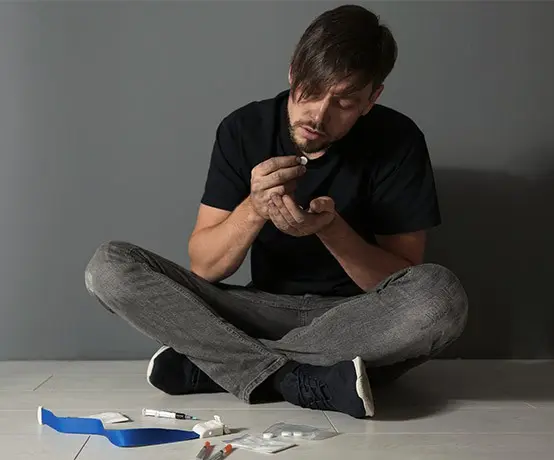
Canada is wealthy of facilities like Addiction Rehab Centres Canada that operate in providing medical and rehabilitation services to people with varying addiction cases. What is interesting about these facilities is that they allow you to choose the kind of rehab setting you want along with professional advice to so that you’ll know the best option that’s right for your treatment and recovery.
Talk To One Of Our Specialists By Calling 1-855-885-4747