
What is ketamine?
Ketamine is a fast-acting anesthetic used in human and veterinary surgery. It is a dissociative drug, creating a sense of separation between mind and body and changing how people perceive sight and sound. Street ketamine (special K, vitamin K, kit kat) is usually a powder that is snorted, though it is also swallowed, smoked or injected. Ketamine is a Schedule I drug in Canada. A related drug, esketamine (Spravato), is approved by Health Canada for depression that has not responded to other antidepressants, and it is given through a controlled program with supervised dosing. Recreational use carries very different risks, and drug rehab can help.
Given in hospitals or clinics with monitoring. Abuse risk is one reason access is controlled.
Street powders are unregulated, so purity and strength are unknown.
Mixing ketamine with other depressants can slow or stop breathing.
Signs of ketamine addiction
Ketamine problems often show up in the bladder before anyone talks about addiction. Frequent, painful urination in a young adult with no infection is a warning sign to take seriously.
Physical
- Frequent, urgent or painful urination
- Blood in urine or pelvic pain
- Memory and attention problems
- Needing more for the same effect
- Unexplained injuries from numbness while high
Behavioural
- Using more often or in larger amounts
- Strong cravings between uses
- Using despite bladder pain or doctor warnings
- Withdrawing from friends, work or school
- Low mood or anxiety after use
Recognizing a ketamine overdose
- 1Call 911 right away
- 2Place them on their side
- 3Give naloxone if opioids possible
- 4Stay until help arrives
What ketamine withdrawal feels like and how long it lasts
Ketamine withdrawal is not usually life-threatening, but cravings can be intense and the low mood that follows is hard to push through alone. Health Canada lists cravings, sweating and headaches after frequent use stops. Bladder symptoms often improve once ketamine is stopped, though some damage can last.
Early withdrawal
Strong cravings, sweating, headaches, anxiety and poor sleep. Relapse risk is high while urges peak.
Low point
Low mood, tiredness and irritability are common. Memory and focus may feel foggy.
Easing
Cravings fade gradually but can spike with stress. Early-stage bladder symptoms often improve.
Recovery
Thinking sharpens for many people. Bladder pain that persists needs a urologist, as some damage is lasting.
Finding the right treatment for ketamine addiction

No medication is approved in Canada to treat ketamine addiction. The main approach is counselling, especially cognitive behavioural therapy (CBT) and contingency management, combined with medical care for the bladder. Stopping ketamine is the most important step for ketamine cystitis, and a doctor or urologist can treat pain and check the kidneys. Some people need a short supervised detox to manage cravings, anxiety and sleep. Depression and anxiety often come with heavy use, and good programs treat them at the same time.
Medical detox
Supervised first days off ketamine, with help for cravings, sleep, anxiety and urinary pain.
Learn moreResidential rehab
Live-in care with daily counselling, medical follow-up and distance from people and places tied to use.
Learn moreOutpatient program
CBT and contingency management while you keep living at home, working or studying.
Learn moreSupport groups
Free peer groups that help with cravings and keep recovery on track after treatment.
Learn moreWhen someone becomes dependent to the use of ketamine hydrochloride then the common end-result of it is known as ketamine addiction. Molecularly, ketamine is similar to phencyclidine (PCP) or Angel Dust. Addiction to ketamine has the following effects: numbness, muscle rigidity, loss of coordination, invulnerability, violent/aggressive behavior, blocked or slurred speech, exaggerated strength and staring blankly.
What is ketamine Addiction?
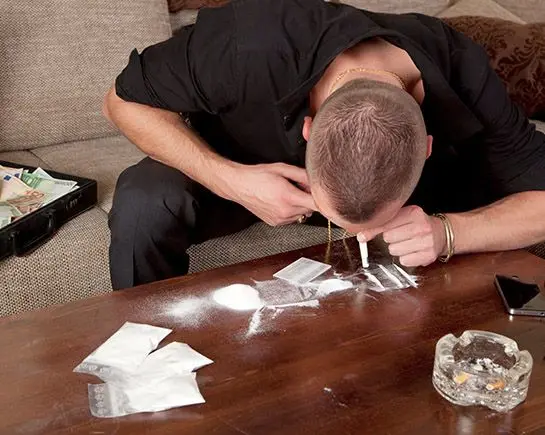
Ketamine is categorized as an anesthetic drug so this commonly causes the user to stop feeling pain after being induced. It is also a drug that helps in relieving anxiety and tension. It is also purported as a sexual stimulant and intensifies sounds and colors. A person who is high on Ketamine is expected to experience its effects from one to six hours depending on the amount of drug taken. A person has to wait for one to two days so as to get himself back to normal again. Chronic use of this drug may take from several months to a couple of years to full wear off.
General Description
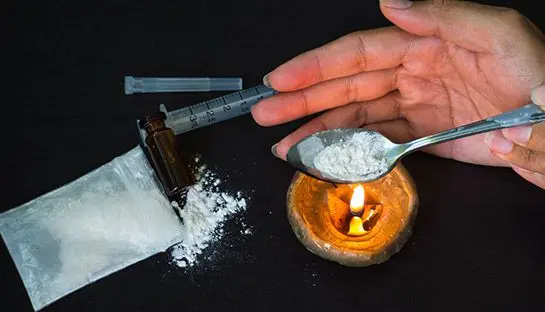
Ketamine is a non-barbiturate and fast-acting drug used on both humans and animals. This kind of drug has also been used in human medicine particularly in experimental psychotherapy, dentistry, pediatric burn cases. With the passing of time, people have abused it and treated it as a party or club drug. Ketamine is often distributed in raves and parties which often end up to ketamine addiction.
Withdrawal Symptoms
When someone is looking forward to stop using ketamine, the bodily system has the following signs and symptoms of withdrawal to show: anxiety, convulsions, delirium, insomnia, tremors, cramps, nausea, chilling, sweating, panic, irritability, paranoia and death.
Ketamine is legally used in Canada but only for medical purposes only. It is commonly marketed as Ketalar or Ketaset to medical personnel and veterinarians. However, in other places like in California, New Mexico, Oklahoma and Connecticut, Ketamine is known as a controlled substance.
Where to start: compare medical detox centres in Canada, detox centres in Canada, residential drug rehabs in Canada, outpatient drug rehab centres, or look at free and publicly funded rehab centres if cost is a concern. Our ketamine detox and withdrawal guide explains what to expect when you stop.
Damaging Effects to Health
Ketamine addiction comes with a large range of effects in human health and these effects usually include analgesia, hallucination, dissociative anesthesia, bronchodilation and hypertension. Ketamine is commonly used for general maintenance of general anesthesia in combination with some kinds of sedative drugs. It is also used as a sedation agent in the intensive care and as analgesia especially in emergency medicine and for the treatment of bronchospasm.it is also a common anesthetic used in veterinary medicine.
Finding a Treatment for Ketamine Addiction
If you are suffering from ketamine addiction and you want a safe way to get yourself treated the safe and effective way, Addiction Rehab Centres Canada is the best place to go. DAC is a drug rehabilitation center that has the aim to help people in the country in treating their addiction the best way possible, helping them get back to their normal life the soonest time possible.
Talk To One Of Our Specialists By Calling 1-855-885-4747