
What is PCP?
PCP (phencyclidine), often called angel dust, is a synthetic dissociative drug. It was used as an injected anesthetic in the 1950s, but many patients became agitated, irrational or delusional, so human use ended. On the street it comes as white or coloured powder, tablets, capsules or liquid, and is swallowed, snorted, injected, or smoked on parsley, tobacco or cannabis. Effects last about 4 to 6 hours. PCP is a Schedule I drug in Canada. It is easy to make, so it turns up mixed into or sold as other drugs, including LSD, methamphetamine and fake mescaline. Problem use responds to drug rehabilitation.
Swallowed or snorted. Dyes and colours say nothing about strength or purity.
PCP can be added to leafy material and smoked, including cannabis joints.
PCP is often substituted for other drugs, so people may take it without knowing.
Signs of PCP addiction
During use, PCP often causes numbness, confusion and sudden aggression. Between uses, look for memory problems, low mood and pulling away from people.
Physical
- Drooling, sweating and blurred vision
- Numbness and clumsy, unsteady movement
- Fast heart rate and irregular breathing
- Trouble speaking clearly
- Needing more PCP for the same effect
Behavioural
- Sudden aggression or violent outbursts
- Paranoia, confusion or detachment from surroundings
- Memory loss and trouble thinking clearly
- Depression or anxiety between uses
- Continuing despite injuries, arrests or lost relationships
Recognizing a PCP overdose or dangerous reaction
- 1Call 911 right away
- 2Keep yourself and others safe
- 3Remove sharp objects, keep from water
- 4If unresponsive, place on their side
What PCP withdrawal feels like and how long it lasts
PCP withdrawal is not usually dangerous on its own, but it is uncomfortable, and the mental effects of heavy use can last far longer than withdrawal itself. Health Canada lists sweating, headaches and cravings after prolonged use stops. Because PCP can cause lasting psychosis and depression, heavy users should stop with medical support.
Early withdrawal
Cravings, sweating and headaches begin. Confusion or paranoia from the last use may still be present.
Low point
Low mood, anxiety and strong urges to use are common. Relapse risk is high during this stretch.
Thinking recovers
Memory, speech and concentration problems from heavy use often improve slowly, though some can persist.
Long tail
Flashbacks, anxiety or depression can return months or years after the last use. Ongoing mental health care helps.
Finding the right treatment for PCP addiction

No medication is approved in Canada to treat PCP addiction. Treatment starts with safety: medically supervised detox or a hospital stay if someone is psychotic, agitated or using other drugs too. After that, counselling is the core of treatment, mainly cognitive behavioural therapy (CBT) and contingency management, which rewards drug-free tests. Because PCP can cause lasting psychosis, depression and memory problems, the best programs offer psychiatric care alongside addiction counselling.
Medical detox
Supervised care while PCP clears, with monitoring for agitation, psychosis and other drugs in the system.
Learn moreResidential rehab
Live-in treatment with daily counselling, structure and distance from people and places tied to PCP use.
Learn moreOutpatient program
CBT and contingency management sessions while living at home, often as a step down after residential care.
Learn moreConcurrent mental health care
Psychiatric care for psychosis, depression or anxiety, delivered alongside addiction treatment.
Learn morePCP stands for phencyclidine, a kind of drug which used as a depressant for the central nervous system. However, this kind of drug has been abandoned due to its unpredictable side effects. With the passing of time, PCP addiction has simply become one of the most common drug-related problems in Canada today. While the number of PCP addicts has slightly decreased over the previous years, it still proves to be a very serious menace that needs to be focused on especially by the concerned authorities and families as well.
What is PCP?
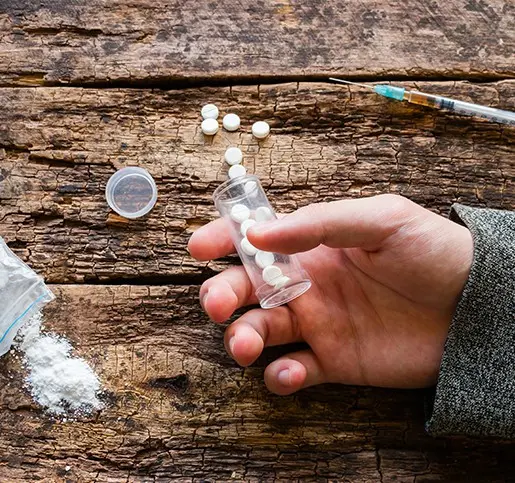
What is really startling about PCP addiction is that people who are involved usually come with ages ranging from 14 to 23 years old and this happens in many parts of the country such as in Quebec, Montreal, Ontario and others. For others, the use of PCP becomes more of a significant problem because they tend to use it along with other drugs, thereby causing multiple addictions on the process. In short, PCP addiction is a very common problem among young people of Canada today.
The True Nature of PCP

PCP is a drug that has a very addictive property. It is expected that when a person takes a few tries on this drug, different kinds of symptoms and effects are developed in the process. One of the most common symptoms of PCP addiction is when a person does all what it takes, even the unusual ways to obtain more of the drug. Other things which are notable with a person who develops PCP addiction include strong cravings and psychological dependence. Other effects usually include loss of memory, different kinds of mood disorders and depression. What is really intriguing about PCP addiction is that symptoms can sometime remain for years even when the person has already stopped taking PCP.
Where to start: compare medical detox centres in Canada, detox centres in Canada, residential drug rehabs in Canada, outpatient drug rehab centres, or look at free and publicly funded rehab centres if cost is a concern.
Dealing with PCP Addiction
If you are someone who is addicted to PCP then it is high time to seek for the right and proper way to get you treated. The effects and symptoms that are attributed to your addiction may prove to be hard and difficult to deal with especially when recuperation is done all by yourself. In this regard, it is highly advised that you should seek medical attention so that professional treatment procedures will be achieved.
Canada happens to be wealthy of places where drug addiction is treated. Detox facilities and rehabilitation centers are equipped with the right programs and professionals to assist you in your treatment process. Addiction Rehab Centres Canada for one is a rehab center that also offer counseling for a thorough assessment of your addiction, thereby allowing you to come up with the right treatment option for your existing addiction to PCP.
Talk To One Of Our Specialists By Calling 1-855-885-4747