
What is heroin?
Heroin is an opioid made from morphine. Sold illegally, it may be a white powder, a brown grainy powder or a dark sticky gum, and it is often cut with sugars, starch or quinine. People inject it, smoke it or snort it. Injected into a vein, it brings a rush within seconds, followed by drowsiness, confusion and slowed breathing. Purity changes from batch to batch, and Health Canada warns that heroin is increasingly laced with fentanyl, which makes every use a gamble. See how heroin fits with other opioids and how they are treated.
Snorted, smoked or dissolved and injected. Colour says nothing about strength.
Usually dissolved and injected or smoked. Purity varies widely between batches.
Heroin is increasingly mixed with fentanyl, which can cause a life-threatening overdose within minutes.
Signs of heroin addiction
Heroin use is often hidden, but the physical signs are hard to cover for long. Families often notice the equipment, the money or the sickness between uses before anything else.
Physical
- Pinpoint pupils and heavy eyelids
- Nodding off mid-conversation
- Track marks, bruises or skin sores
- Constipation and weight loss
- Flu-like sickness between uses
Behavioural
- Burnt spoons, foil or syringes at home
- Long sleeves even in warm weather
- Money or valuables going missing
- Secrecy and a new circle of friends
- Dropping school, work or family time
Recognizing a heroin overdose
- 1Call 9-1-1 right away
- 2Give naloxone if you have it
- 3Give another dose if no response
- 4Stay with them until help arrives
What heroin withdrawal feels like and how long it lasts
Heroin withdrawal is very uncomfortable, but it is rarely fatal for adults. Symptoms start quickly because heroin is short-acting, and cravings are strong enough that many people use again within days. After withdrawal, tolerance is low, which makes a return to use especially dangerous.
Early symptoms
Anxiety, cravings, yawning, sweating, runny nose and watery eyes. Muscle aches and restlessness build.
Peak
Nausea, vomiting, diarrhea, stomach cramps, chills and insomnia. Relapse risk is highest now.
Easing
Most physical symptoms subside, though sleep stays poor and energy is low.
Recovery
Low mood, anxiety and cravings can linger. Ongoing treatment and support protect against relapse and overdose.
Finding the right treatment for heroin addiction

Heroin addiction is treated most effectively with opioid agonist treatment: buprenorphine-naloxone or methadone, both first-line in Canada. These medications stop withdrawal and cravings and lower the risk of overdose death, even for people who keep using some of the time. For people who have not done well on them, some provinces offer supervised injectable treatment with medical-grade diacetylmorphine or hydromorphone. Counselling, peer support and testing for HIV and hepatitis C belong in every plan.
Medical detox
Supervised withdrawal that should lead straight into medication and counselling, not end on its own.
Learn moreOpioid agonist treatment
Daily methadone or buprenorphine, or a monthly buprenorphine injection, prescribed and followed by a clinic.
Learn moreResidential rehab
Live-in care with daily counselling and structure, away from the people and places tied to use.
Learn morePeer support groups
Narcotics Anonymous and other peer groups add connection and accountability alongside medical treatment.
Learn moreHeroin addiction is known as one of the most common drug-related problems in Canada through the years. In 2004, a survey was conducted and it appeared that 1 percent of the country’s population had made use of this kind of illegal drug. In 1999, a survey was conducted in Toronto and discovered that 11 percent of the youth here are struggling from heroin addiction.
Heroin Addiction: What is it?

Compared to all the other provinces in Canada, British Columbia placed itself at the top rank being the home of many people who were addicted to heroin. Higher numbers of heroin addiction are also found in the Northwest Territories and this problem also exists in Alberta, Edmonton and Calgary. ON the other hand, the province of Quebec has a situation with heroin addiction and people who are addicted to heroin are in dire need of help and support. Users of heroin in Canada are found in boys and girls ranging from 12 to 17 years old. Many of these individuals have had prolonged use of the drug, making them addicted to it over time.
What is Heroin?
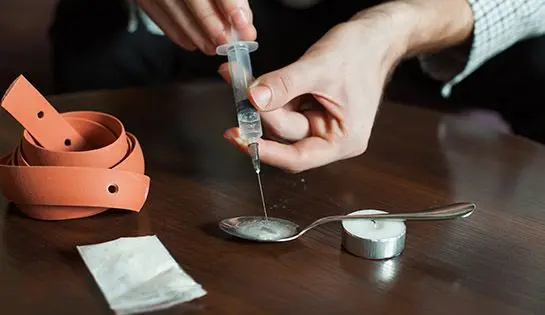
Heroin is known as one of the most highly addictive drugs and the most abused substance in the streets of Canada. It is commonly made from morphine which is derived from the Asian poppy plant extracts. When sold, heroin comes in the form of a brownish or whitish powder or as a blackish and sticky substance which is popularly known as black tar heroin in the Canadian streets.
Heroin is usually taken by users in three different ways which include injecting, snorting (sniffing) and smoking (chasing). Since heroin travels fast through the blood stream, users of this drug choose the injection method to get the effects in a quicker manner. Once the heroin is injected, its entire amount enters the blood stream, thereby increasing the chances of suffering from heroin overdose. Heroin is otherwise known in the following street names: dope, junk and smack.
Where to start: compare medical detox centres in Canada, detox centres in Canada, residential drug rehabs in Canada, outpatient drug rehab centres, or look at free and publicly funded rehab centres if cost is a concern. Our heroin withdrawal guide explains what to expect when you stop.
The Effects
When a person takes heroin in any way, feelings of euphoria, warmth, contentment and well-being are often reported. Other known effects also include anxiety, confusion, paranoia, mood swings, a rush type of feeling or sensation followed by a relaxed and contented state. Since opiates are known as painkillers, heroin can also be used to reduce or stop pains. However, this drug can also cause unconsciousness to a person. Long-term effects of heroin use can cause loss of sex drive, infertility and menstrual irregularity among women, constipation, cognitive impairment and extreme sadness.
Finding a Treatment for Heroin Addiction
If you are struggling with heroin addiction and you want something that will treat you the safe and effective way, Addiction Rehab Centres Canada is the path to follow. Equipped with the best facilities and professionals, this rehab center will surely lead you to live a life that’s free from drugs.
Talk To One Of Our Specialists By Calling 1-855-885-4747