
What is methadone?
Methadone is a synthetic opioid that lasts much longer in the body than heroin or most pain pills. In Canada it is prescribed mainly as opioid agonist treatment (OAT) for opioid use disorder, with doses usually taken in front of a pharmacist until a person is stable. On a steady dose, people stop chasing withdrawal and can rebuild their lives. That is treatment, not addiction. Problems start when methadone is taken without a prescription, sold or shared from take-home doses, or mixed with alcohol or benzodiazepines. Because it lasts so long and the gap between a helpful dose and a harmful one is narrow, an extra dose can be dangerous.
Daily witnessed doses at first; take-home doses come once a person is stable.
Highest overdose risk, especially for people with no opioid tolerance.
Less common, and riskier than OAT because dosing is less closely watched.
Signs of methadone misuse or addiction
Someone taking methadone as prescribed in OAT is in treatment, and a steady dose is the goal. The signs below point to misuse, diversion or a dose that is no longer working.
Physical
- Heavy drowsiness or nodding off
- Pinpoint pupils and slurred speech
- Constipation, nausea or itchy skin
- Withdrawal symptoms before the next dose
- Slow or shallow breathing
Behavioural
- Buying, selling or trading methadone doses
- Missing pharmacy or clinic appointments
- Mixing methadone with alcohol or benzodiazepines
- Using other opioids on top of methadone
- Take-home doses often lost or missing
Recognizing a methadone overdose
- 1Call 9-1-1 right away
- 2Give naloxone, even if unsure
- 3Stay with them until help arrives
- 4Repeat naloxone if breathing slows again
Methadone withdrawal: what it feels like and how long it lasts
Methadone withdrawal is rarely life-threatening on its own, but it starts later than heroin withdrawal and many people find it drags on. The bigger danger comes afterwards: tolerance drops, so going back to any opioid, especially street fentanyl, can cause a fatal overdose.
Early symptoms
Anxiety, yawning, runny nose, watery eyes, sweating, muscle aches and poor sleep begin as the last dose wears off.
Peak
Stomach cramps, nausea, vomiting, diarrhea, goosebumps and strong cravings. Dehydration and relapse are the main risks.
Easing
Physical symptoms slowly fade, but sleep, energy and mood often stay off balance for a while.
Recovery
Cravings and low mood can return under stress. Counselling, or restarting OAT, protects against overdose.
Finding the right treatment for methadone addiction

For most people, the safest path is staying in opioid agonist treatment with a dose that controls cravings, plus counselling. Staying in treatment is linked to large drops in overdose deaths, and Canadian guidelines advise against withdrawal management on its own. If methadone itself has become the problem, a prescriber can adjust the dose, discuss switching to buprenorphine, or plan a slow, voluntary taper with regular check-ins. People who have been using diverted methadone usually need an assessment and a proper OAT prescription rather than detox alone.
Assessment and dose review
A prescriber reviews your dose, other drugs and goals, then adjusts methadone or discusses buprenorphine.
Learn moreSupervised taper
Gradual dose reductions with regular check-ins, paused or reversed if cravings or withdrawal get too strong.
Learn moreResidential rehab
Structured counselling away from daily triggers. Ask whether the centre supports clients who stay on OAT.
Learn moreOutpatient counselling
Regular counselling and peer support alongside OAT, so work and family routines can continue.
Learn moreMethadone addiction is one of the major drug-related problems in Canada today. This drug is used both in recreational and medical purposes. There are drug addiction rehabilitation centers in the country that actually make use of this drug in treating addiction. However, methadone is known for its addictive property, many users tend to get addicted with it in the process. Obviously, methadone addiction is divided in two folds:
What is Methadone?
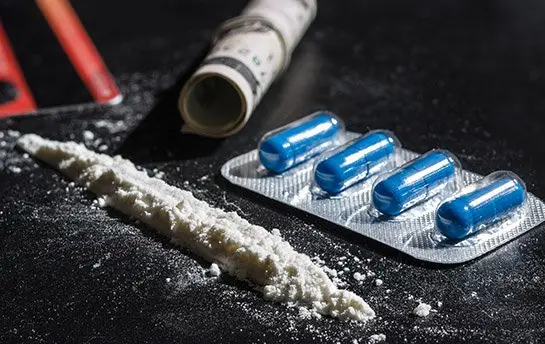
- People may plainly abuse methadone until they become addicted
- People make use of methadone for medical purposes until they develop methadone addiction
Basing from the survey which was conducted in 2003, about 33 percent of the people in the country with ages 14 to 23 years old had abused methadone for recreational purposes. Thus, this clearly means that a huge part of this figure could be suffering from methadone addiction.
In 1999, a city in Vancouver has had 170 patients with methadone addiction case and most of them are men. As of the present days, more than 3000 patients in Vancouver are struggling with methadone addiction. Getting addicted to this drug is easy because all pharmacies in the country can dispense it to customers that carry a prescription. With the legality of this drug in the country, it is alarming to note that addiction can easily happen to all those who are using methadone in treating their illnesses.
In Quebec, many people are also tagged as methadone addicts. In 2002 alone, there were less than two thousand people who were on methadone. People who were living in the streets of Montreal were also subjected to a methadone survey and 8 percent of them have admitted that they have used the drug at least once in their lives.
Where to start: compare medical detox centres in Canada, detox centres in Canada, residential drug rehabs in Canada, outpatient drug rehab centres, or look at free and publicly funded rehab centres if cost is a concern. Our guide to Suboxone and opioid treatment explains what to expect when you stop.
Methadone, when used as an addiction treatment can create a strong and persistent addiction more often than not. It can be clearly pictured this way: using the drug to solve a problem is something that creates another one. And when one becomes addicted to this drug, he will suffer from different signs and symptoms like constipation, drowsiness, etc. And when one abuses this drug in a frequent manner, it can cause dangerous effects such as respiratory problems.
Finding a Treatment for Methadone Addiction

Suffering from addiction is a very serious problem that needs to be focused on. Whether it is you or someone you love who is addicted to a particular drug or substance, it is important for you to come up with something that can lead you to your life’s complete revival and recovery. Addiction has nothing good to give and the only way to free yourself from its negative effects is through rehabilitation. Addiction Rehab Centres Canada is the right place where you can find the right path towards safe and effective methadone addiction treatment and recovery.
Talk To One Of Our Specialists By Calling 1-855-885-4747