
What are opioids?
Opioids are drugs that act on the brain's opioid receptors to block pain, and in larger amounts they slow breathing. Doctors prescribe codeine, morphine, oxycodone, hydromorphone and fentanyl. Heroin and illegally made fentanyl are sold on the street. With regular use the body adapts: tolerance rises, stopping brings withdrawal, and for some people use becomes compulsive, which is opioid use disorder. The danger is sharper now because illegally made fentanyl shows up in heroin, cocaine and counterfeit pills made to look like real prescriptions. Our guide to drug rehabilitation in Canada explains the care available.
Real medicines that can still cause dependence, especially at high doses or with long-term use.
Strength is unknown and fentanyl contamination is common, so overdose risk is high.
Prescribed as opioid agonist treatment to stop withdrawal and cravings and prevent overdose.
Signs of opioid addiction
Opioid addiction often starts behind a real prescription, so the early signs are easy to explain away. Look for a pattern over weeks, not one bad day.
Physical
- Pinpoint pupils, drowsiness or nodding off
- Constipation, nausea or itchy skin
- Slurred speech or slowed breathing
- Flu-like sickness between doses
- Needing more for the same effect
Behavioural
- Running out of prescriptions early
- Seeing several doctors for refills
- Money or valuables going missing
- Pulling away from family and work
- Continuing despite clear harm
Recognizing an opioid overdose
- 1Call 9-1-1 right away
- 2Give naloxone if you have it
- 3Give another dose if no response
- 4Stay with them until help arrives
What opioid withdrawal feels like and how long it lasts
Opioid withdrawal is miserable, but on its own it is rarely life-threatening for a healthy adult. The bigger danger comes after: tolerance drops within days, so going back to a previous amount can cause a fatal overdose. Vomiting and diarrhea can also lead to dehydration, which is one reason medical support helps.
Early symptoms
Anxiety, restlessness, sweating, runny nose, watery eyes, yawning and muscle aches. Short-acting opioids like heroin start sooner.
Peak
Nausea, vomiting, diarrhea, chills, goosebumps, cramps and strong cravings. Relapse risk is highest now.
Easing
Physical symptoms fade, often within a week for heroin. Longer-acting opioids such as methadone can take longer.
Recovery
Poor sleep, low mood, anxiety and cravings can linger. Ongoing treatment protects against relapse and overdose.
Finding the right treatment for opioid addiction

The strongest evidence for opioid addiction supports opioid agonist treatment (OAT) with buprenorphine-naloxone or methadone. Canada's 2024 national guideline names both as first-line options and advises against detox as a stand-alone treatment, because tolerance drops after detox and overdose risk rises. Slow-release oral morphine and supervised injectable treatment are options when first-line medications have not worked. Counselling, peer support and help with housing or pain make medication work better.
Medical detox
Supervised withdrawal, ideally used to start medication. Detox alone, without follow-up care, raises overdose risk.
Learn moreOpioid agonist treatment
Methadone or buprenorphine stops withdrawal and cravings and lowers the risk of dying from an overdose.
Learn moreResidential rehab
Live-in care with daily counselling, structure and time away from the people and places tied to use.
Learn moreOutpatient program
Counselling and medication follow-up while you keep working and living at home.
Learn moreOpioid addiction comes with many familiar stories and one of these is the story of a person who has almost everything in this life: a great career, loving family, money, etc. Then all of a sudden, an accident happened and this has put a very traumatic experience at the end of the person. Good thing is that the victim is going to make it and with the help of a medical expert, opioids are prescribed and given for his recuperation. As the body heals, opioid plays its role in relieving pain and this proves to be very wonderful for the patient. Unfortunately, the brain doesn’t always understand the infusion of opioid to the body and it suggests having more and more and more until the patient is already addicted to it.
What is Opioids?
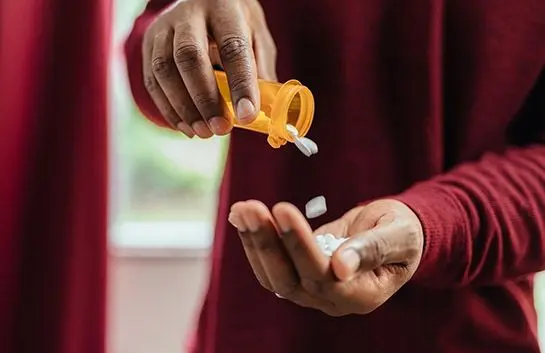
Opioid addiction happens when the body becomes immune to the drug, thereby creating an urge to get more of the drug to get the pain relief it needs. While this kind of drug is easily availed with a doctor’s prescription, a person who is addicted to it simply makes his way to deal with different doctors to get multiple prescriptions as a way to support his uncontrolled carvings.
This is a phenomenon that clearly suggests an opioid addiction. On the other hand, the person who is taking more of the drug is not realizing that while his pain is relieved by the drug, he is also putting himself in the pit of addiction where different kinds of consequences simply await. Basically, this a common story about opioid addiction that could happen to anyone including you.
Where to start: compare medical detox centres in Canada, detox centres in Canada, residential drug rehabs in Canada, outpatient drug rehab centres, or look at free and publicly funded rehab centres if cost is a concern. Our fentanyl withdrawal guide explains what to expect when you stop.
Opioid addiction is real and once you are hooked to it, it would be very difficult to get off of it especially when you do it on your own. This is why you need the guidance of a professional in the treatment of your addiction so that you can have your brain re-trained especially in making it understand that your body does not need opioid in order to survive. With a professional, you will also get the assistance you need especially when you are already dealing with all the different kinds of symptoms that follows after your withdrawal
Finding a Treatment for Opioid Addiction

The consequences of opioid addiction and incorrect intakes of the drug commonly lead to various kinds of health problems, not to mention death. The body usually develops tolerance for the drug that leads to a much higher dosage, and thereby causing negative effects in the process. Canada comes with many places where different kinds of addictions are treated and these include Addiction Rehab Centres Canada. Find out more of the ways to treat opioid addiction the safe and effective way possible.
Talk To One Of Our Specialists By Calling 1-855-885-4747