
What is ecstasy?
MDMA (3,4-methylenedioxymethamphetamine) is the drug sold as ecstasy or Molly. It is usually swallowed as tablets or capsules. People take it for energy, euphoria and a feeling of closeness to others, but it also raises heart rate, blood pressure and body temperature. As it wears off, many people feel tired, low, anxious or confused. Pills vary in colour, shape and strength, and a stamped logo says nothing about what is inside. Tolerance builds quickly with frequent use, and some people develop a pattern they struggle to control. Read more about street drug addiction.
Tablets vary in size, colour and dose. A stamp doesn't show what's inside.
Often sold as pure MDMA, but its contents and strength can't be judged by eye.
Pills sold as MDMA often contain other drugs, some far more toxic.
Signs of ecstasy addiction
Occasional ecstasy use can be hard to spot. A problem usually shows up as a pattern: weekends of heavy use followed by rough weeks.
Physical
- Jaw clenching and teeth grinding
- Dilated pupils and heavy sweating
- Exhaustion and poor sleep after weekends
- Weight loss or poor appetite
- Memory or concentration problems
Behavioural
- Low mood or anxiety midweek
- Needing more pills for the same effect
- Planning life around parties and events
- Mixing with alcohol or other drugs
- Using despite promises to cut back
When to get emergency help for ecstasy
- 1Call 9-1-1 right away
- 2Move them somewhere cool
- 3Don't force large amounts of water
- 4Stay with them until help arrives
What happens when you stop ecstasy
MDMA causes little physical withdrawal, and stopping is not physically dangerous. The harder part is the comedown and the low mood that can follow regular use, along with cravings tied to friends and events. After heavy use, some effects such as poor sleep, anxiety or memory problems can linger for weeks.
Comedown
Fatigue, irritability, anxiety and confusion as the drug wears off. Sleep is often poor.
Low point
Low mood, paranoia or anxiety can follow. After heavy use, psychotic symptoms may last several days.
Easing
Sleep, mood and concentration gradually improve, though some effects can linger for weeks.
Recovery
Counselling helps replace party routines and handle cravings tied to certain friends, music or events.
Finding the right treatment for ecstasy addiction

No medication is approved to treat ecstasy addiction, and most people do well with outpatient counselling. Cognitive behavioural therapy helps people spot the triggers, settings and social pressure that drive their use, and plan around them. Many people who use MDMA also drink heavily or use other drugs, so a good assessment looks at the full picture, including depression or anxiety that weekend use may have masked. Residential care makes sense for heavy use of several drugs or serious mental health concerns.
Assessment
A professional assessment sorts out MDMA use, other drugs and mental health, and points to the right care.
Learn moreOutpatient program
Regular counselling and CBT while you keep up with school or work.
Learn moreResidential rehab
For heavy use of several drugs, repeated relapse or serious depression and anxiety.
Learn moreSupport groups
Peer groups help people build a social life that doesn't revolve around using.
Learn moreEcstasy Addiction – Of the many different kinds of drug-related problems in Canada, ecstasy addiction happens to be one of the most common. In 2004, about 4 percent of the country’s population have had used ecstasy at least once in their lifetime. The use of this kind of drug usually starts at a very young age wherein tenth graders boys and girls (8 percent are boys and 5 percent are girls) make use of it.
Ecstasy Addiction: What is it?

Ecstasy Description
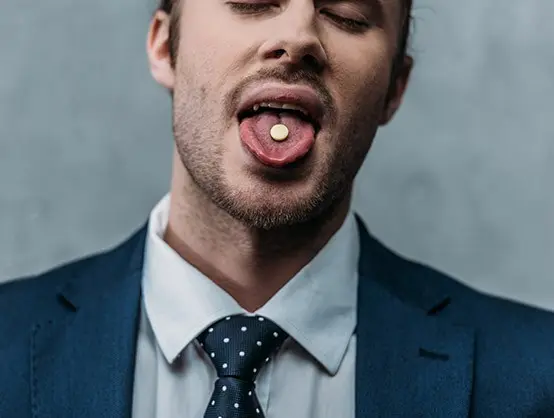
Ecstasy is a kind of drug that belongs to the ‘entactogen’ family which literally denotes ‘touching within’. Other kinds of drugs that belong in this family also include MDE, MDMA and MBDB. Generally, ecstasy is taken orally.
Ecstasy Dependency
In the previous years, there have been deaths that have been associated with ecstasy. In many cases, these deaths have been a result of heatstroke due to moving and dancing for an extended period of time without changing lost body fluids. What is really dangerous is that there are some drugs which are sold on the market as ‘ecstasy’ that actually contain other types of drugs that can be too dangerous. Taking in ecstasy with alcohol or any other drugs also increases risks of adverse reactions.
Ecstasy Addiction Withdrawal Symptoms
Ecstasy is a drug that is psychologically addicting. A person who is suffering from ecstasy addiction and is struggling to fight it has the following signs and withdrawal symptoms to show:
- Anxiety
- Depression
- Sleeplessness
- Panic attacks
- Realization
- Personalization
- Paranoid delusions
Long-Term Use of Ecstasy
Persons with any of the following conditions can have greater chances of developing psychological and physical harm by using ecstasy: heart disease, hypertension, epilepsy, liver problems, mental illness history and panic attacks. On the other hand, persons who are overdosed with ecstasy often show warning signs of overheating and dehydration. If any of these signs occur, stop dancing or moving and sip a cold glass of water while splashing some of it on your skin. Rest and cool down in a cool and quiet area as you continue fanning yourself. If these don’t work, get yourself to the nearest hospital.
Where to start: compare medical detox centres in Canada, detox centres in Canada, residential drug rehabs in Canada, outpatient drug rehab centres, or look at free and publicly funded rehab centres if cost is a concern. Our MDMA and ecstasy guide explains what to expect when you stop.
Fast Facts
People of young ages are the common users of ecstasy and one common sign of the growing use of this drug is the increasing popularity of underground ravens and clubs. These are places which are commonly raided by authorities and where many overdosed teenagers fall as victims.
Finding a Treatment for Ecstasy Addiction
There are several places in Canada where you can find help in the treatment of ecstasy addiction. Treatment settings also vary depending on your preference. If you are looking for a safe and effective way to recover from ecstasy addiction, Addiction Rehab Centres Canada can be of great help for you.
Talk To One Of Our Specialists By Calling 1-855-885-4747