
What prescription drug rehab involves
Prescription drug rehab starts with an assessment of which medications are involved, how much, for how long, and what they were first prescribed for. From there, care usually moves through three stages: getting safely off the drug or onto a safer medication, counselling to change the patterns behind the use, and aftercare to prevent relapse. Unlike rehab for many street drugs, the medical side matters a great deal. Someone tapering off benzodiazepines needs a different plan than someone starting opioid agonist treatment for oxycodone, and both may still need treatment for chronic pain, anxiety or insomnia.
Rehab often includes opioid agonist treatment, not detox alone.
Need a slow medical taper; stopping suddenly can cause seizures.
Counselling-based care; watch for depression during the crash.
Signs it may be time for prescription drug rehab
Needing a medication every day is not, by itself, a reason for rehab. These signs suggest use has moved past what was prescribed and that cutting back alone is not working.
Physical
- Needing more for the same effect
- Withdrawal symptoms when a dose is late
- Frequent drowsiness, falls or memory gaps
- Sleep and appetite badly disrupted
Behavioural
- Running out of prescriptions early
- Seeing several doctors for refills
- Buying pills online or on the street
- Failed attempts to cut back alone
- Mixing pills with alcohol
Recognizing a prescription drug overdose
- 1Call 9-1-1 right away
- 2Give naloxone if opioids are possible
- 3Stay with them until help arrives
- 4Tell paramedics what was taken
Detox and withdrawal: what to expect
How detox goes depends on the drug. Opioid withdrawal is very uncomfortable but rarely life-threatening. Sedative withdrawal can cause seizures and can be fatal, so it is done as a slow, supervised taper rather than a quick detox. Stimulant withdrawal is mostly exhaustion, low mood and cravings.
Assessment
A clinician reviews every medication, dose and health condition, then chooses detox, a taper or medication support.
Opioid detox
Aches, sweating, nausea, diarrhea and cravings, eased with medication. Starting OAT here lowers overdose risk.
Sedative taper
Small, gradual dose cuts with check-ins. Anxiety and poor sleep are common; seizures mean the taper was too fast.
Rehab and aftercare
Counselling, support groups and a relapse plan. Tolerance is now lower, so naloxone stays at home.
Choosing a prescription drug rehab program

The best prescription drug rehab programs can manage the medical side safely. Ask whether the centre offers or works with opioid agonist treatment for opioid painkillers, whether it can run a slow, supervised taper for benzodiazepines or sleeping pills, and whether it coordinates with your prescribing doctor. Look for evidence-based counselling such as cognitive behavioural therapy, care for concurrent anxiety, depression or chronic pain, and a written aftercare plan. A program that offers only rapid detox for sedatives, or requires stopping OAT to be admitted, is not a good fit for most people.
Medical detox
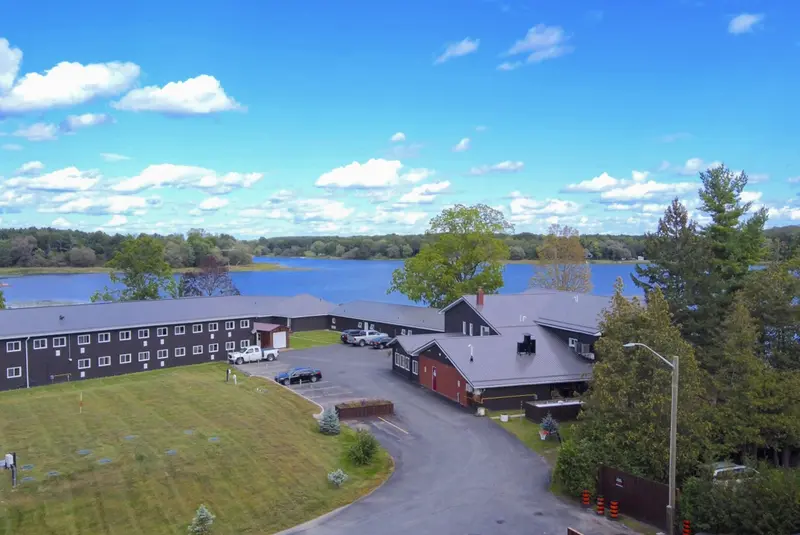
Supervised withdrawal or the start of a taper, with medical staff on hand around the clock.
Learn moreResidential rehab
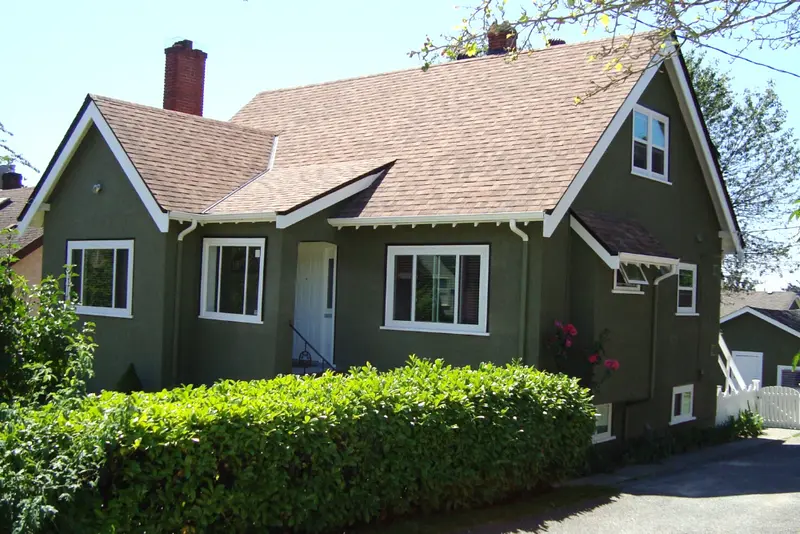
Live-in program with daily therapy, medication management and time away from easy access to pills.
Learn moreOutpatient program
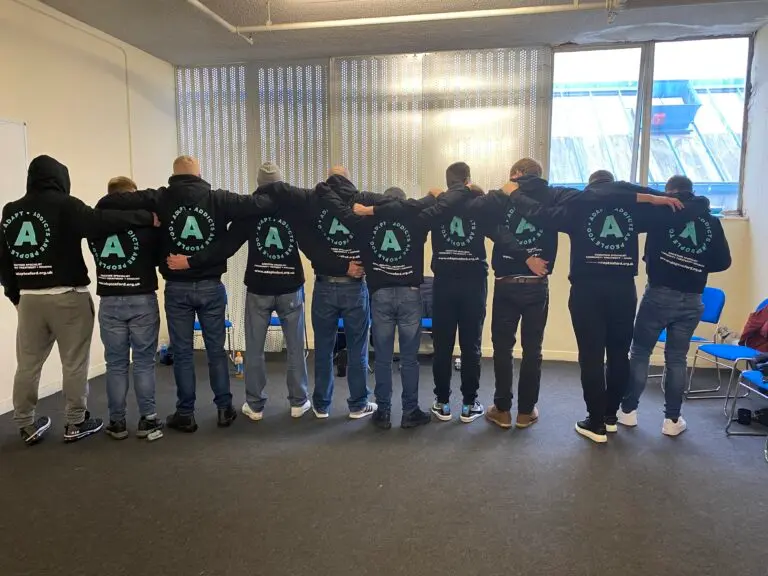
Regular counselling while living at home, often paired with a prescriber managing a taper or OAT.
Learn moreLong-term rehab
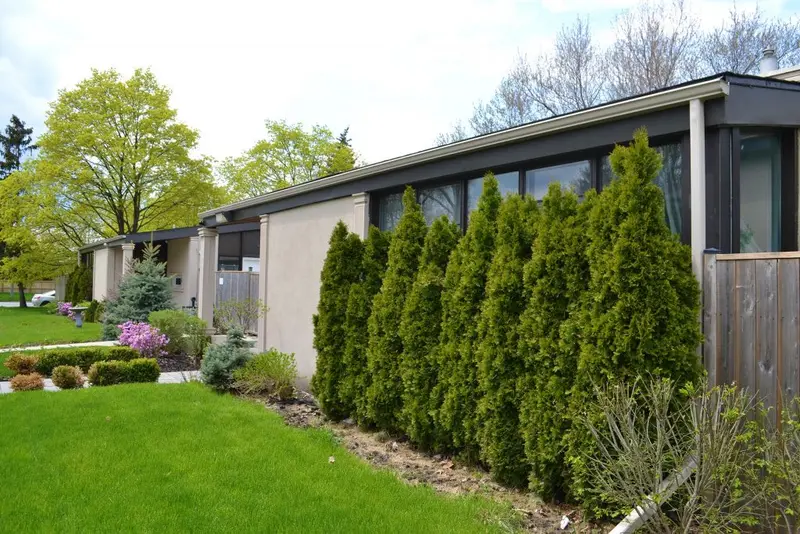
Extended structure for people who have relapsed before or have serious concurrent health problems.
Learn morePrescription drug addiction is a growing problem in Canada, particularly among youth. Non-medical use of prescription drugs is dangerous for everyone, but teens are particularly vulnerable to its effects because their bodies and minds are undergoing rapid transformations. Prescription drug addiction can lead to irreversible damage. These effects are often underestimated because of a widespread perception that prescription drugs are safe because they are legal. But prescription drugs require a prescription precisely because of their capacity to harm users, and they are now one of the leading causes of drug overdoses.

If you or a loved one are struggling with a prescription drug addiction, Toronto Addiction Centres can refer you to a rehab facility that can help you take charge of your life.
Two Paths to Prescription Drug Addiction
Prescription drugs offer two paths to addiction. Some users develop a habit after stealing a loved one’s prescription for recreational use, or by self-prescribing a drug they think they need. For instance, a college student who can’t afford an appointment with a psychiatrist might self-diagnose himself with ADHD, and then buy a friend’s prescription to Adderall.
Other addicts develop a prescription drug dependence after obtaining a valid medical prescription. Even the most meticulous of doctors can have a hard time monitoring a patient’s use of prescription drugs and checking for the warning signs of addiction. This problem is compounded when the drug is prescribed for daily use over a period of several months or more. Addiction is simply a physical dependency that grows out of long-term use, so even the most cautious use of prescription drugs can land you in trouble. For this reason, we advise our clients to take prescription drugs for the shortest possible period, and to only take drugs they absolutely need.
It doesn’t matter which path you took toward addiction. Once you’re an addict, the addiction feels exactly the same, whether you’re a prescription user or a recreational one. When addiction sets in, you need professional help. You can’t will an addiction away, no matter how much you might like to.
Why Prescription Drug Addiction is Different
If you’re a recreational user of prescription drugs, your recovery journey will be virtually identical to that of someone recovering from addiction to any other drug. If you developed an addiction to prescription drugs after receiving a prescription, though, the recovery journey is a bit different.
Where to start: compare medical detox centres in Canada, detox centres in Canada, residential drug rehabs in Canada, outpatient drug rehab centres, or look at free and publicly funded rehab centres if cost is a concern. Our prescription drug abuse guide explains what to expect when you stop.
Prescription addicts may need assistance managing the medical condition for which the drug was prescribed. If you struggle with chronic pain, you might need help treating the underlying condition or finding less addictive ways to manage your pain. If you have a mental illness, you might benefit from therapy, psychoeducation, or support groups (see dual diagnosis). No matter why you initially took prescription drugs, the goal of any good recovery program should be to treat not only the addiction, but the circumstances that led to it.
Recovering From Prescription Drug Addiction
Recovery from prescription drug addiction usually begins with a period of detox. If the drug was legitimately prescribed for a medical condition, alternative treatment methods may be prescribed. Once detox is over, the real work of sobriety begins. Addiction is a disease that cannot be cured – you can simply manage its symptoms. For this reason, you will need to avoid addictive drugs for the rest of your life. We will refer you to an addiction treatment facility that has programs suited to you. You will be able to get the help you need to master the coping skills that can enable you to live your life without needing drugs.
Further Reading:
Addiction to Prescription Addiction
Talk To One Of Our Specialists By Calling 1-855-885-4747