‘Namgis Wellness Centre: First Nations Addiction Treatment in Alert Bay
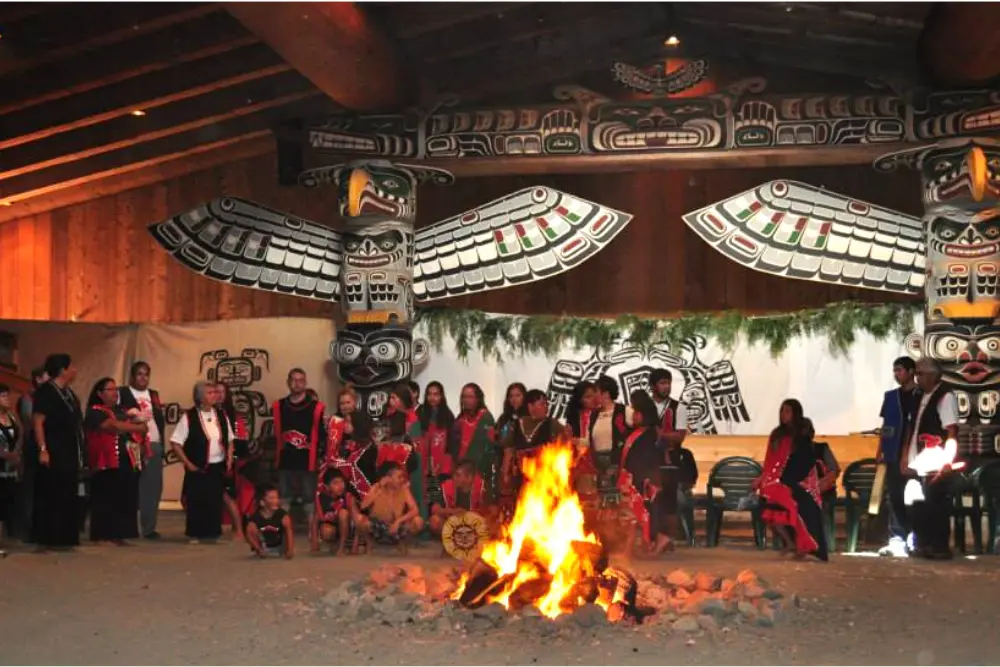
The villages of the ‘Namgis were organized into extended family units (‘na’mima) each sharing a single Big House. The ceremonies and rituals of the Potlatch regulated all aspects of ‘Namgis social life. Central to that social life was a reverence for the natural world. For example, when taking and using anything of the natural world the ‘Namgis always thanked the spirits inhabiting those things for giving themselves up for use by the ‘Namgis. The first European settlement and the establishment of a non-aboriginal economy amidst the ‘Namgis began in the 1880s. The first industry to be established was a fish saltry at Alert Bay on Cormorant Island. Since that time the ‘Namgis have been intimately involved in virtually every part of the economic life of the North Island. It was as a result of their involvement in the local economy and as well as the influence of missionaries, that the ‘Namgis people have since abandoned their village at Xwalk at the mouth of the Nimpkish River. The ‘Namgis now reside at their village called ‘Yalis at Alert Bay. The traditional territory of the ‘Namgis and the resources contained therein continue to be a vital part of their culture and social life today.

A New Wellness Centre in ‘Yalis
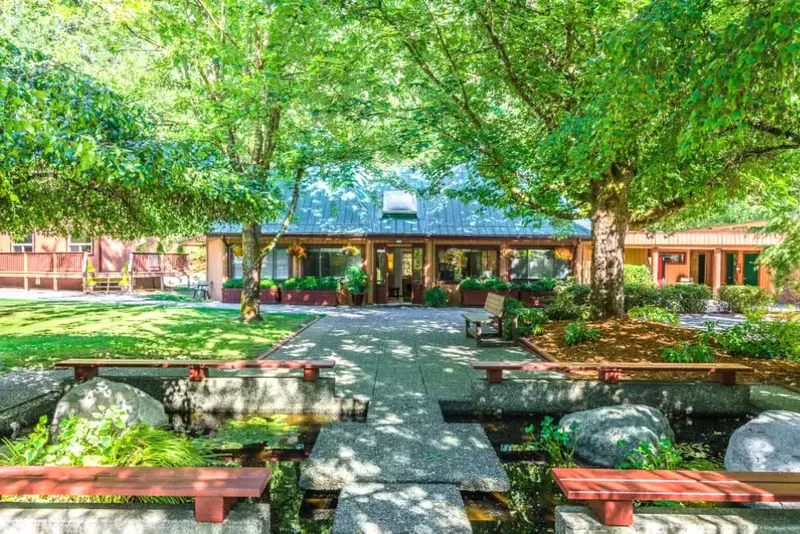
Most ‘Namgis members live in ‘Yalis, the ‘Namgis name for Cormorant Island and the village of Alert Bay. The Nation is replacing its old treatment centre with a purpose-built Wellness Centre, planned after asking staff and community members what they needed, and the answer was more room, including space for ceremony and traditional healing. The FNHA describes two buildings joined by a common courtyard: a residential building with 16 beds and a night attendant, and a main building with reception, counselling and gathering rooms and a commercial kitchen. Construction began in May 2024. As of October 2026 the Nation had not announced that the new building is open, so ask intake where the program is running.
Planning for Life at Home
Aftercare planning and case management are part of the program, and one of its themes is self-help after treatment, including Alcoholics Anonymous, Narcotics Anonymous and Adult Children of Alcoholics. For people who live on Cormorant Island, the Nation's Mental Health Department offers counselling at no cost for grief, trauma, depression, anxiety and drug or alcohol addiction. The Nation also lists Ne’nagwa̱’nakwa̱la (Going Home) as support for people coming home from treatment or corrections.
A Team That Works Layer by Layer
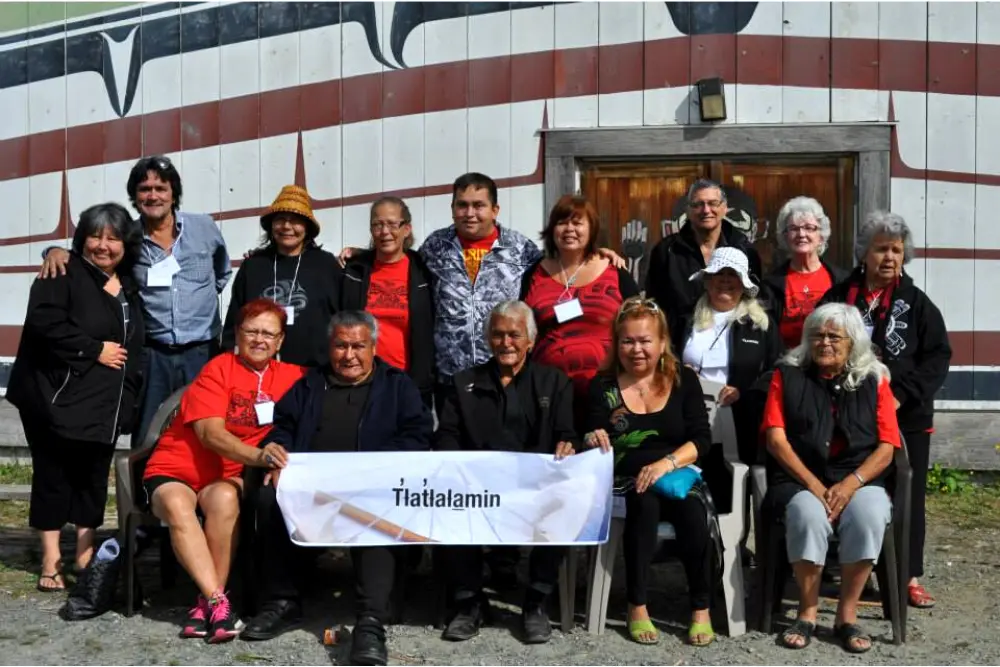
Wellness Centre staff write that alcohol and drug use is often a symptom, with trauma, neglect and abuse underneath it, and that healing has to happen layer by layer, with patience. In 2026 the team took two days of training on preventing bullying and harassment and on lateral violence and lateral kindness, led by a former FNHA occupational health and safety program leader. Applications and questions go to the intake coordinator, Em Crowell.
‘Namgis Wellness Centre: Programs Overview
The ‘Namgis Wellness Centre is the residential addiction treatment program of ‘Namgis First Nation (spelled ‘Na̱mg̱is by the Nation). Until 2025 it was the ‘Namgis Treatment Centre, and this site listed it as Namgis First Nation, Substance Abuse Treatment Centre. Its mission, rooted in ‘Namgis culture and traditions and with respect for individual choices and responsibilities, is to support the emotional, mental, physical and spiritual well-being of the people it serves. It is one of the FNHA-funded First Nations treatment centres in BC and runs a six-week residential program.
What's included in your stay
12 services · from the FNHA and Pathways BC listingsStaff explain the new name this way. The old name came from the medical model of recovery, which centres on abstinence and fits with Twelve Step programs, and abstinence is still a core goal. Over the years, though, they came to see alcohol and drug use as a way of coping with deeper pain, much of it from intergenerational trauma, Residential Schools and the Sixties Scoop. The six-week program works through themes that include the physiological and psychological effects of mood-altering substances, family dynamics, historical influences on substance abuse, spirituality, self-awareness in the cycle of change, and trauma and its long-term and short-term effects.
The six-week program
How a stay is set up, from referral to going homeA referral worker fills in the application package with you.
Arrive clear of medical detox and at least 14 days substance-free.
Family dynamics, trauma, spirituality and the cycle of change.
Cultural activities and traditional medicines during your stay.
Aftercare planning and self-help groups such as AA and NA.