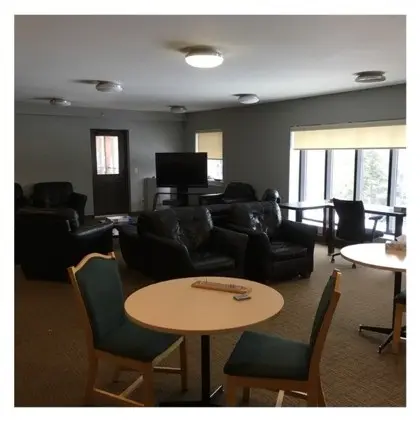
De Novo Treatment Centre: Residential Addiction Treatment for Ontario's Construction Trades in Huntsville
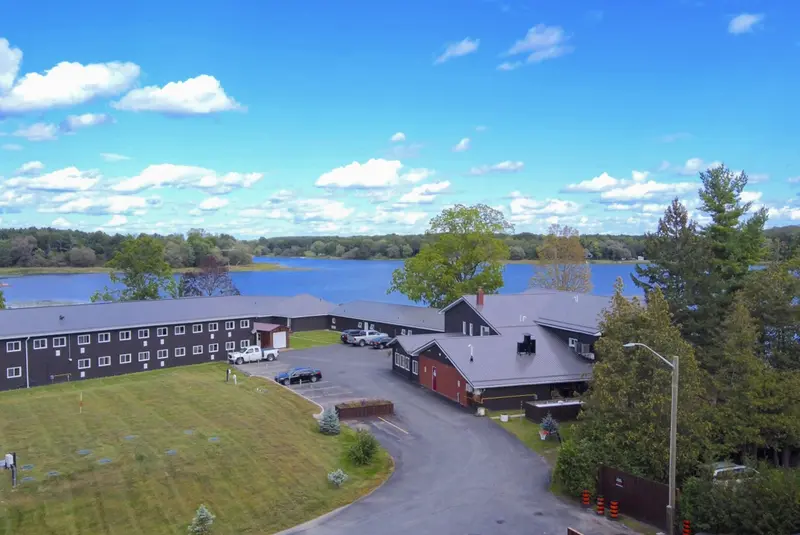
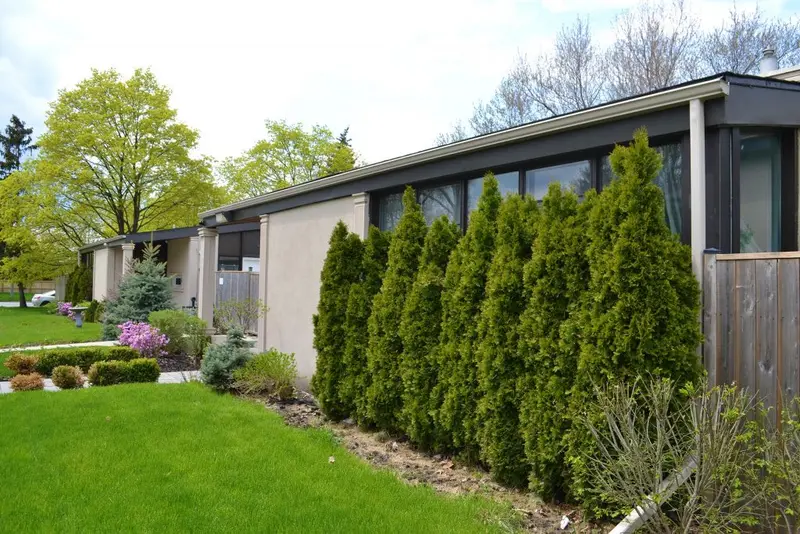
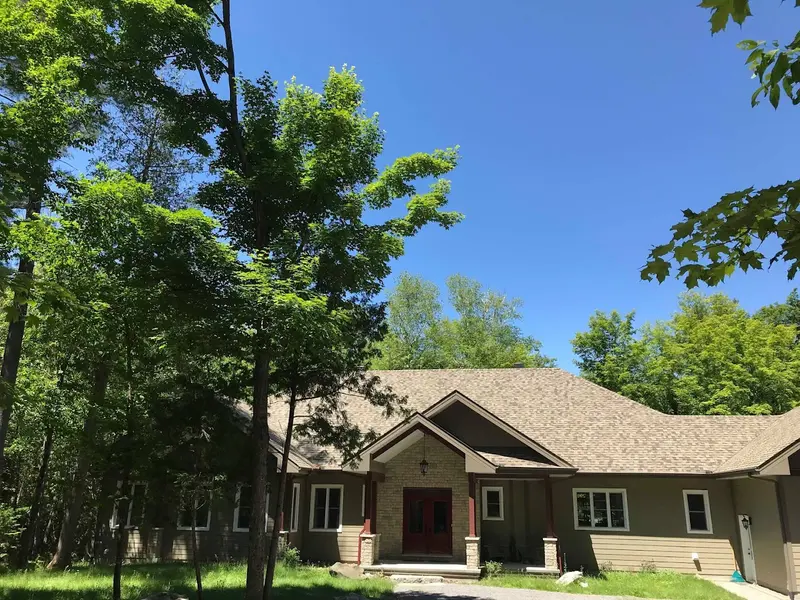
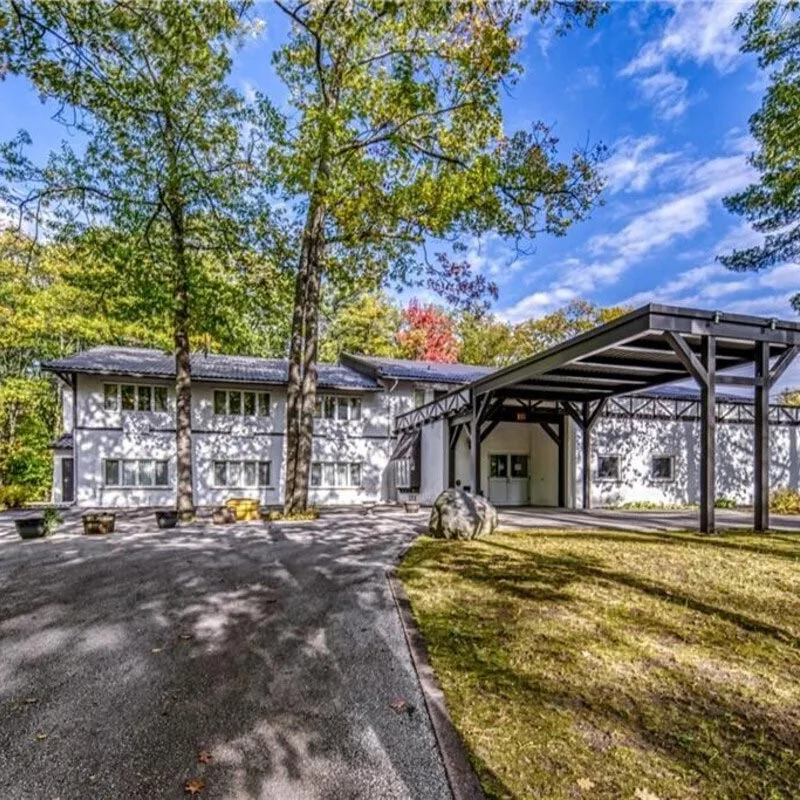
De Novo Treatment Centre is a substance use treatment centre in Huntsville, Ontario, built for the unionized construction industry. It is run as a partnership between management and unionized members of the Ontario building and construction trades, and it serves members of contributing union locals and associations, their employers and their immediate families. The name means a new beginning.
The core of the program is a 35-day residential stay that aims for abstinence. It combines a 12 Step approach with cognitive behavioural therapy, solution-focused therapy, motivational interviewing and person-centred counselling. The program is non-medical, but clients have access to nursing and medical support during their stay, and everyone who finishes can join a distant aftercare program with phone counselling for up to a year.
A treatment centre owned by the construction industry
De Novo was set up by Ontario's building and construction trades for their own people. Eligibility comes through a contributing union local, association or employer: a business agent, union representative or employer confirms that the person is a member in good standing or works for a contributing employer, and the person's immediate family can also be referred. De Novo points out that nearly one third of opioid-related deaths among employed Ontarians were in construction, and its research pages look at why the trades are hit so hard.
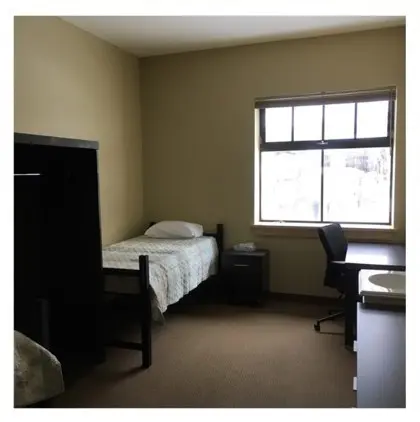
Thirty-five days built around abstinence
The residential program starts from the belief that abstinence is the goal of treatment. Days are made up of educational groups, relapse prevention work and one-on-one counselling with qualified clinicians, using cognitive behavioural therapy, solution-focused therapy, motivational interviewing, person-centred therapy and the stages of change model alongside a 12 Step approach. The program is non-medical, but residents can see nursing and medical staff for supportive health care.
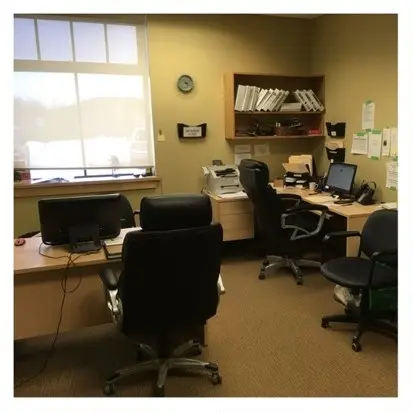
A year of aftercare from a distance
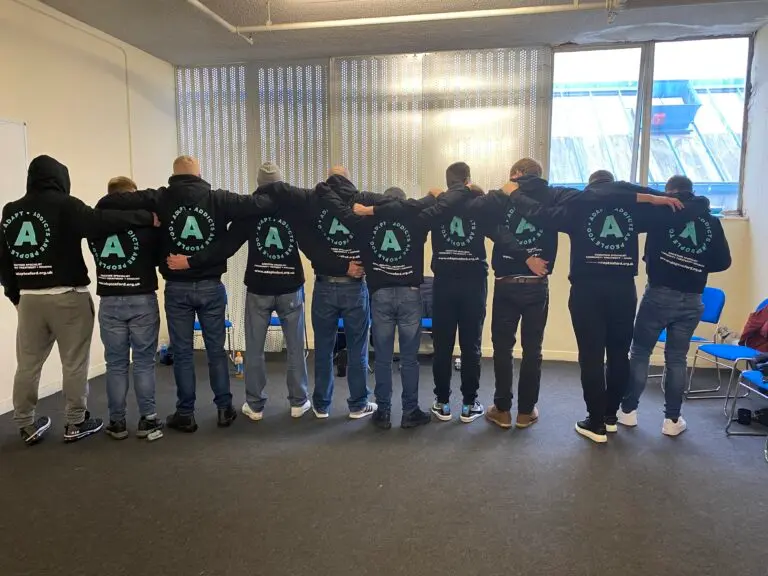
Before discharge, each client builds an aftercare plan with their counsellor. The Distant Aftercare Program runs a weekly virtual session led by a De Novo counsellor on a 12-week rotation, a format the centre has offered since 2014, and graduates can phone a counsellor for support for up to a year. Staff also connect people with local 12 Step groups through Alcoholics Anonymous' Bridging the Gap program, and the alumni program links past clients with people who have just finished.
De Novo Treatment Centre: Centre Overview
De Novo offers four connected programs: the 35-day Residential Addiction Treatment Program, the Distant Aftercare Program, a Family Program and an Alumni Program. Its website also lists youth addiction treatment, but gives no details, so ask the centre directly if you are calling about a younger family member.
The Family Program is a one-day session held about once every five weeks for family members and loved ones. It covers healthy boundaries, communication, grief, detachment, self-care and Al-Anon, and family members can sign up at any time.
What's included in your stay
11 services · as described on the centre's websiteDe Novo is accredited by the Canadian Centre for Accreditation, which reviews it every four years, and it is a member of the Ontario Hospital Association and the Addiction and Mental Health Ontario network. The centre says it serves clients regardless of age, race, gender, sexual orientation, ability or spiritual and religious views.
The website does not describe an on-site detox service. Before admission, a qualified health care provider has to complete a Medication Reconciliation Form confirming that any medications or supplements are safe to continue during the stay, so talk to your doctor early if you are still drinking or using.
How admission works
The referral steps De Novo lists on its Referrals and Admissions pageYour union, association or employer confirms you are a member in good standing or a contributing employee.
A phone interview of up to an hour, booked for a set date and time.
A health care provider completes the Medication Reconciliation Form and faxes it in.
The referral is reviewed and an admission date is set, Monday to Friday.
After 35 days, weekly virtual sessions and phone support for up to a year.