What is Fentanyl ?
What is Fentanyl ? Signs and Symptoms of Abuse
The days when the drugs of choice didn’t necessarily kill you right away seem to be gone. There is a new drug on the market. A man-made drug called Fentanyl and it is taking victims with no consideration for fame, nationality, color, or gender. The drug recently claimed the life of the pop legend Prince, which has put the drug in a new light and given it more attention. From America to Canada, the drug is known to be able to kill with just taking a dose of microgram and has been proven to be 50 times more powerful and deadly than heroin.
Very few people out there know much about fentanyl are what it is doing across countries. They also have no idea what signs and symptoms to look for in their loved ones to fight this abuse, before tragedy strikes. With that being said, read on below for some facts about this dangerous drug and the signs and symptoms as well.
Fentanyl:
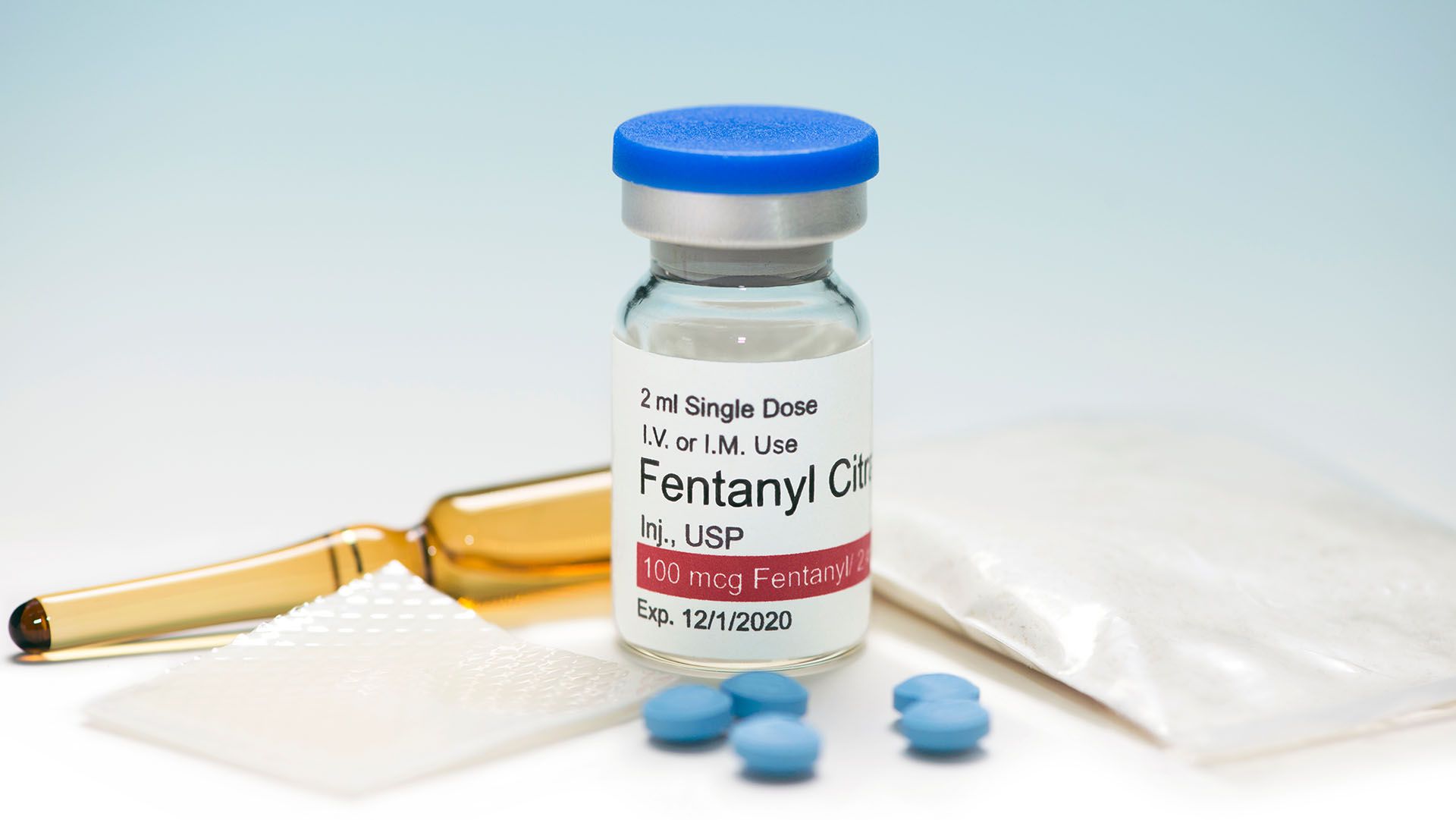
Fentanyl was first invented in the 1960’s as an opioid or painkiller. The drug is said to be 100 times more powerful than morphine but is also short-lived, so it is often used as a painkiller after surgery. In other words, it is used as a temporary pain relief for someone that is already on an opiate for pain.
Fentanyl comes in two forms. The patch or lollipop form. It is a time release drug and is extremely dangerous. In a hospital setting, it can be injected and comes in a tiny film that you let melt under the tongue or in pill form, which can be held in the cheek. Any of these methods, especially injections can be deadly for an abuser of Fentanyl, as the line between a helpful dose and a deadly dose is extremely thin.
The forms most often used by doctors for pain relief or even for cancer patients is the patch and the lollipop, however, more and more often the illicit forms are showing up in drug abuse situations.
Illicit forms include gel tabs, nasal sprays, and pills that can kill you in a second.
Where does Fentanyl Come from and How is it getting into Canada?
Fentanyl is manufactured in China and is crossing the border into Canada illegally. It is often being mixed and sold illegally as heroin and oxytocin. Many users know what it is, but many think that it is something else and abusing it unknowingly. The drug is so powerful that dealers are making more and selling it for more, so it’s very profitable and going to be hard to stop.
From the Hospital to the Streets
What started out as a good drug to help people has quickly gone from the hospitals to the streets, and the death toll is rising. From a young mother in Canada to an American legend, this drug knows no bounds and very few people even know its name much less what it is capable of doing to the people they love. Read on below for a few of the signs and symptoms that your loved one is abusing Fentanyl and needs to get checked into rehab and helped right away.
Signs and Symptoms of Fentanyl Abuse
As with all opiates, there are main symptoms of abusing the drug to look out for. These symptoms are listed below.
- Euphoria
- Drowsiness
- Lethargy
- And mellowness
The biggest thing to remember is that the body quickly builds up a tolerance to this dangerous drug, so the dose needed to maintain a high, may not be the same dose needed the next time around. There are other symptoms that you should watch for as well in your loved one if you suspect Fentanyl abuse.
- Dizziness
- Constant dry mouth
- Severe constipation
- Itching or hives
- Throwing up
- A hard time seeing
- Headaches
- No appetites
- Weight loss
- Shaking
- Sweating
- Having a hard time sleeping
Other Signs to Look for
There are signs to look for in all addictions, including a Fentanyl addiction.
- Hopping from one doctor to another
- Nursing home, hospital and doctor theft
- You have money missing
- Your loved one is always broke
- Secrets from everyone who loves them
The thing about Fentanyl is that people become addicted at different rates. One abuser may become addicted after just one dose whereas another user could take several. You need to watch someone you feel is addicted to Fentanyl careful because the addiction is more deadly than anything out there today.
Confront Your Loved One
The biggest thing to do in a Fentanyl addiction is to confront your loved one and get them help as soon as possible. There are many rehab centers out there that specialize in this type of addiction, so please get your loved one help somewhere.
What to Expect
Withdrawal symptoms are common with any addiction and Fentanyl is no different. Read on below for a few of the symptoms you can expect for your loved one.
- Fatigue
- Sweating
- Insomnia
- Fever
- Headache
- Dilation of pupils
- Yawning
- Itching
- Depression
- Muscle cramps
- Increased heart rate
These are just a few of the symptoms that your loved one could experience during withdrawal. Some of them could be mild, and some could be severe.
What can You do to Help?
The biggest thing you can do to help your loved ones is getting them checked into a reputable recovery center for help. Most recovery centers have a program that your loved one will go through. There will be safe medical detox from the drug, therapy and aftercare planning as well.
The other thing you can do is be there for your loved ones and help them through what is going to be a very tough process. Tough love may be required in the beginning, but the alternative of continuing a Fentanyl addiction is too horrible to imagine.
These are just a few of the facts about this horrible drug and addiction you need to know. If you suspect that your loved one is an addict, please get them to help somewhere.
Contact Addiction Rehab Centres Canada today!