
Tramadol has a reputation it does not deserve. For years it was handed out as the “safe” painkiller, the one doctors reached for when they wanted to avoid the heavier opioids. Plenty of people took it after a surgery or a back injury and never gave it a second thought. Then the refills kept coming, the dose crept up, and one day skipping a pill brought on a wave of sweating, anxiety, and a strange electric feeling that did not match anything they expected from a “mild” medication.
If that sounds familiar, whether it is happening to you or someone you love, you are not imagining it and you are not weak. Tramadol is a genuine opioid, and it carries a second hidden action on brain chemistry that makes it behave unlike any other painkiller in the cabinet. This guide explains what tramadol addiction actually looks like, why the withdrawal can be so unusual and sometimes dangerous, and how people across Canada get free of it and stay free.
What Is Tramadol and Why Is It So Easy to Underestimate?
Tramadol is a prescription pain reliever sold under brand names such as Ultram, Zytram, Tridural, and Ralivia, and in combination products like Tramacet. Doctors prescribe it for moderate to moderately severe pain, often after dental work, surgery, or an injury, and for some chronic pain conditions.
Here is the part most people miss. Tramadol works in two ways at once. It binds to the mu-opioid receptors in your brain the way other opioids do, which is where the pain relief and the pleasant, drowsy calm come from. At the same time it blocks the reuptake of serotonin and norepinephrine, acting a bit like an antidepressant. That dual personality is exactly why tramadol is trickier and, in some ways, riskier than a straightforward opioid like oxycodone.
For a long time tramadol was treated as low risk in Canada. That changed. On March 31, 2022, Health Canada removed tramadol from the ordinary Prescription Drug List and added it to Schedule I of the Controlled Drugs and Substances Act and to the Narcotic Control Regulations, putting it under the same controls as other opioid painkillers. The regulators made that move because the evidence was clear: tramadol can be misused, it can create dependence, and it can cause serious harm.
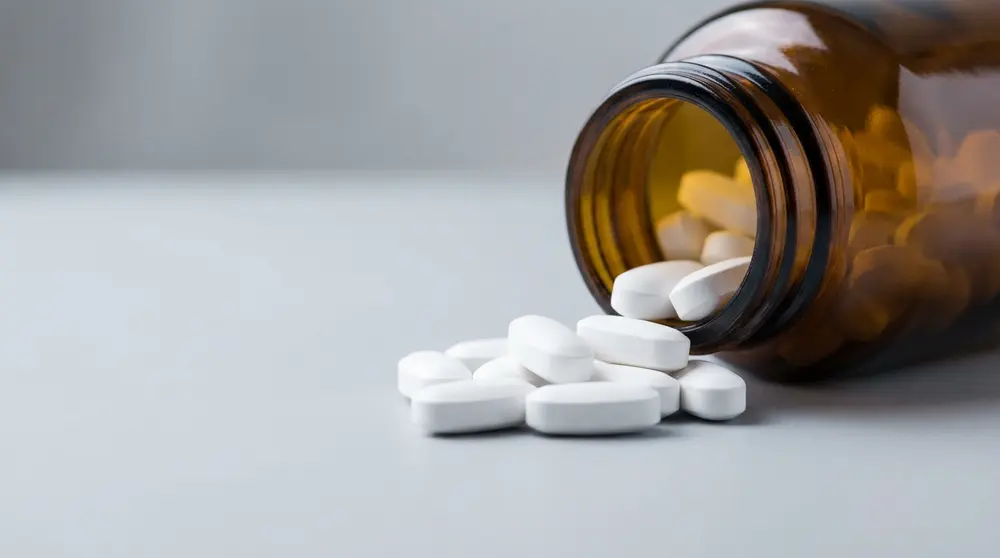
Tramadol is a prescription opioid that also affects serotonin and norepinephrine, which makes it unlike other painkillers.
How Your Body Turns Tramadol Into Something Stronger
Tramadol itself is a fairly weak opioid. Your liver converts it, using an enzyme called CYP2D6, into an active metabolite named O-desmethyltramadol, usually shortened to M1. That M1 metabolite hits the opioid receptors far harder than the original drug, roughly six times more powerfully when it comes to pain relief.
The catch is that people carry different versions of the CYP2D6 gene. A small group are “ultra-rapid metabolizers” whose bodies flood with M1 quickly, even at a normal prescribed dose. For those individuals a standard tablet can produce dangerously strong opioid effects, including life-threatening slowed breathing. This genetic lottery is one reason two people can take the same tramadol prescription and have completely different experiences, and it is part of why the drug deserves more respect than it once got.
Is Tramadol Addictive? Separating the Myth From the Reality
Yes. Tramadol is addictive, and the belief that it is not has caused real damage. Because it was marketed and prescribed as a gentler option, many people, including some prescribers, assumed you could not get hooked on it. The result was longer courses, higher doses, and a lot of surprised patients when dependence set in.
Two things are worth separating here. Physical dependence means your body has adapted to the drug and will react with withdrawal if you stop. Dependence can happen to anyone who takes tramadol regularly for a few weeks, even exactly as prescribed, and it does not mean you did anything wrong. Addiction, which clinicians call opioid use disorder, is different. It involves loss of control: using more than you meant to, craving the drug, and continuing despite harm to your health, relationships, or work. You can be physically dependent without being addicted, but dependence is often the on-ramp, and tramadol makes that ramp easy to walk up without noticing.
Signs and Symptoms of Tramadol Addiction
Tramadol misuse tends to hide in plain sight, partly because it usually starts with a legitimate prescription. Knowing the warning signs helps you catch it before it deepens. The signs generally fall into three groups.
Physical Signs
Drowsiness and nodding off, constricted pupils, constipation, nausea, slurred speech, poor coordination, and flushing are common. Because tramadol lowers the seizure threshold, some people experience muscle twitching or, in more serious cases, a seizure. Over time you may notice the drug does less than it used to, which is tolerance, a strong hint that dependence is building.
Behavioural and Psychological Signs
Watch for running out of pills early, “losing” prescriptions, visiting more than one doctor to get more (sometimes called double-doctoring), buying tramadol online or from other people, secrecy about use, mood swings, and growing anxiety or irritability between doses. Many people describe a preoccupation with the next dose that quietly takes over the day.
Social Signs
Pulling away from family and friends, dropping hobbies, slipping at work or school, and financial strain from buying more of the drug all point toward a problem. These overlap with the broader signs and symptoms of substance abuse seen with any opioid.
| Category | What to Look For |
|---|---|
| Physical | Drowsiness, pinpoint pupils, constipation, nausea, muscle twitches, tolerance, seizures |
| Behavioural | Early refills, doctor shopping, secrecy, taking more than prescribed, craving |
| Psychological | Anxiety between doses, mood swings, low mood, preoccupation with the next pill |
| Social | Withdrawing from loved ones, work or school decline, money problems, isolation |
If several of these ring true, a professional addiction assessment is the clearest next step. It is confidential, and it does not commit you to anything except an honest look at where things stand.
Why Tramadol Withdrawal Is Not Like Other Opioid Withdrawal
This is where tramadol’s double nature really shows. Stopping most opioids brings the familiar flu-like misery: aches, chills, runny nose, stomach cramps, and cravings. Tramadol does all of that, and then adds a second, stranger layer because of its effect on serotonin and norepinephrine.
Research on people going through tramadol withdrawal has found that roughly 90 percent experience the typical opioid symptoms, while about 10 percent go through an atypical withdrawal marked by unusual neurological and psychological effects, including confusion, intense anxiety, panic attacks, paranoia, hallucinations, and numbness or tingling in the limbs. That atypical picture can be frightening and is easy to mistake for a mental health crisis if no one realizes tramadol is behind it.
The Tramadol Withdrawal Timeline
Everyone is different, and factors like your dose, how long you used, your metabolism, and your overall health all shape the experience. The general pattern below gives you a realistic map rather than a promise.
| Phase | Timeframe | What Usually Happens |
|---|---|---|
| Early onset | First 12 to 24 hours | Anxiety, sweating, restlessness, trouble sleeping, cravings, runny nose |
| Peak | Day 2 to day 4 | Nausea, vomiting, diarrhea, chills, body aches, rapid heartbeat, tremors, mood swings; highest risk window for seizures and atypical symptoms |
| Subsiding | Day 5 to day 7 | Physical symptoms ease, sleep and appetite slowly improve, fatigue and low mood linger |
| Post-acute (PAWS) | Weeks to several months | Waves of low mood, anxiety, poor sleep, and cravings that can last 3 to 6 months |

Tramadol was long treated as a mild painkiller, but dependence can build quietly even at prescribed doses.
The Serious Risks: Seizures, Serotonin Syndrome, and Overdose
Tramadol carries two dangers that set it apart from most other opioids, and both are reasons a medically supervised detox matters so much with this particular drug.
Seizure Risk
Tramadol lowers the brain’s seizure threshold, which means it makes seizures more likely even in people who have never had one. The risk climbs with higher doses, generally above 300 to 400 mg a day, with a history of seizures, and when tramadol is mixed with certain antidepressants or other medications. Stopping abruptly after long-term or heavy use can also trigger seizures. This is a big reason quitting tramadol “cold turkey” at home is riskier than people expect.
Serotonin Syndrome
Because tramadol raises serotonin levels, combining it with SSRIs, SNRIs, certain migraine medications, MAOIs, or other serotonergic drugs can push serotonin too high and cause serotonin syndrome. Symptoms range from agitation, rapid heartbeat, high blood pressure, and heavy sweating to muscle rigidity, tremor, high fever, seizures, and, in severe cases, a medical emergency. Anyone taking tramadol alongside an antidepressant should be under a clinician’s care, and it is worth telling any new prescriber about every medication you take.
Overdose
A tramadol overdose can slow or stop breathing, the way any opioid overdose can, and the seizure and serotonin risks make it more complicated to treat. Mixing tramadol with alcohol, benzodiazepines, or other sedatives sharply raises the danger. Naloxone can reverse the opioid part of a tramadol overdose, though it does not touch the seizure or serotonin effects, so emergency care is still essential. If you or someone nearby may be overdosing, call 911 immediately. It helps to understand how naloxone works and where to get a free kit before you ever need it.
| System | Warning Signs |
|---|---|
| Breathing | Slow, shallow, or stopped breathing; blue or gray lips and fingertips |
| Consciousness | Extreme drowsiness, unresponsiveness, cannot be woken |
| Neurological | Seizures, muscle twitching, agitation, confusion |
| Other | Pinpoint pupils, cold clammy skin, very slow heartbeat |
Tramadol and the Bigger Canadian Opioid Picture
Tramadol addiction does not exist in a vacuum. Canada is still living through an opioid crisis, and understanding the scale helps explain why getting help early matters. In 2024 there were 7,146 deaths from opioid toxicity across the country, an average of about 20 lives lost every day. That figure was actually down 17 percent from the year before, a hopeful sign, but the toll remains devastatingly high. Around 74 percent of those deaths involved fentanyl, and Ontario alone recorded 2,231 opioid toxicity deaths.
Prescription opioids like tramadol can be a starting point that, for some people, leads toward stronger and far more dangerous drugs in an unpredictable street supply. That is one reason treating a tramadol problem now, while it is still centred on a prescription medication, is so valuable. If you want the wider context, our overview of prescription drug abuse in Canada and the page on prescription drug addiction both dig deeper.
How Tramadol Addiction Is Treated in Canada
The encouraging news is that opioid use disorder, including the kind driven by tramadol, is one of the most treatable forms of addiction we have. Treatment generally moves through a few stages, and a good program tailors them to you rather than forcing everyone through the same mould.
Step 1: Medical Detox and Safe Tapering
Because of the seizure and serotonin risks, the safest way off tramadol is almost never an abrupt stop. Instead, a clinician usually designs a gradual taper, lowering the dose in steps so your nervous system can adjust. In a supervised drug detox, staff can monitor your vital signs, manage symptoms with medication, and step in fast if a seizure or serotonin syndrome develops. Detox handles the physical side of dependence. On its own it is not a cure, but it is the foundation everything else is built on. You can read more about what to expect during the detox process before you begin.
Step 2: Medication-Assisted Treatment (Opioid Agonist Therapy)
Since tramadol acts on opioid receptors, opioid agonist therapy can be a powerful tool for reducing cravings and smoothing withdrawal. Canadian clinical guidelines recommend buprenorphine-naloxone, sold as Suboxone, as the first-line medication for most people because of its strong safety profile and lower overdose risk. Methadone is another well-established option, and slow-release oral morphine is used in some cases. Many Canadians start this treatment quickly through a Rapid Access Addiction Medicine (RAAM) clinic, which you can often walk into without an appointment or a referral.
Step 3: Therapy and Counselling
Medication settles the body; therapy addresses the reasons the drug took hold and the habits that keep it there. Cognitive behavioural therapy helps you spot and reroute the thoughts that lead to use, while approaches like motivational interviewing and dialectical behaviour therapy build coping skills. Whether it happens one on one or in group therapy, this is where lasting change usually takes root. Our guide to drug addiction therapy walks through the main methods.
Step 4: Treating What Is Underneath
Tramadol is unusual in that its serotonin effect can act like an antidepressant, so some people are, without realizing it, self-medicating depression or anxiety. When a mental health condition sits alongside the addiction, treating only one rarely holds. Integrated dual diagnosis treatment addresses both together, which matters especially with a drug that has been quietly propping up someone’s mood.
Step 5: Aftercare and Relapse Prevention
Recovery does not end when detox does. Ongoing counselling, peer support such as SMART Recovery or 12-step groups, and a solid relapse prevention plan keep progress on track through the months when post-acute symptoms and cravings come in waves. Having a plan for those waves is what turns a good detox into a durable recovery.
Levels of Care: Inpatient, Outpatient, and Everything Between
There is no single right setting. The best choice depends on how severe the addiction is, your home environment, your responsibilities, and your health. Here is how the main options compare.
| Level of Care | Best For | What It Involves |
|---|---|---|
| Residential / Inpatient | Severe or long-term use, unstable home life, co-occurring conditions | Live at the facility 24/7 with medical support, structure, and intensive therapy, usually 30 to 90 days |
| Medical Detox | Anyone physically dependent on tramadol | Short-term supervised withdrawal with seizure and serotonin monitoring |
| Outpatient | Milder dependence, strong support at home, work or family duties | Live at home, attend scheduled treatment sessions, keep daily routine |
| RAAM Clinic | Fast access to medication and assessment | Low-barrier, often walk-in, starts agonist therapy quickly |
Not sure which fits? Our comparison of inpatient versus outpatient programs lays out the trade-offs, and you can browse the full range of addiction treatments to see what is available.

The physical peak of tramadol withdrawal usually passes within a week, but emotional recovery takes longer and deserves support.
How Much Does Tramadol Rehab Cost in Canada?
Cost is one of the first worries people raise, and it should not be a reason to stay stuck. Canada has both public and private paths, and the price varies widely. Publicly funded detox and outpatient services through the provincial health system, RAAM clinics, and community programs are available at little or no cost, though there can be waitlists. Private residential rehab offers faster access and more amenities, typically ranging from a few thousand dollars to well over twenty thousand for a month, depending on the facility.
Many people also have coverage through workplace benefits or an employee assistance program that they did not realize they could use for addiction treatment. Our detailed look at how much drug rehab costs breaks down the options, and if money is tight, there are ways to get help even if you cannot afford private rehab.
Getting Help for Tramadol Addiction Today
The hardest step is usually the first phone call, and it is also the one that changes everything. You do not need to have hit a dramatic low point to deserve help. If tramadol has more of a grip than you want it to, that is reason enough to reach out.
Our team can help you understand your options, verify what your coverage includes, and connect you with the right program, from a quick assessment to full drug addiction treatment programs near you. If you are in the province, our directories for Ontario rehabs and Toronto rehabs are a good place to start. You can also call our confidential drug and alcohol helpline to talk it through with someone who understands, no pressure and no judgment.

Reaching out for an assessment is confidential and commits you to nothing except an honest conversation about your options.
Frequently Asked Questions About Tramadol Addiction
Is tramadol really addictive if my doctor prescribed it?
Yes. A prescription does not make tramadol safe from dependence. Taking it regularly for even a few weeks can lead to physical dependence, and misusing it or taking higher doses raises the risk of full addiction. Being prescribed the drug simply means your use started legitimately, not that you are protected from its risks.
How long does it take to become addicted to tramadol?
There is no fixed timeline. Physical dependence can begin within a few weeks of regular use, even at prescribed doses. How fast dependence turns into addiction depends on the dose, how you use it, your genetics and metabolism, and whether you are also coping with pain or mental health struggles.
How long does tramadol withdrawal last?
Acute physical withdrawal usually starts within 12 to 24 hours of the last dose, peaks around days two to four, and eases over five to seven days. Psychological symptoms like low mood, anxiety, and cravings can linger as post-acute withdrawal for several weeks to a few months.
Can you die from tramadol withdrawal?
Opioid withdrawal itself is rarely fatal, but tramadol is a special case. It can trigger seizures during withdrawal, and complications from vomiting, dehydration, or a seizure can become dangerous. That is why a medically supervised taper is strongly recommended rather than quitting cold turkey.
Why does tramadol cause seizures?
Tramadol lowers the brain’s seizure threshold through its effect on serotonin and norepinephrine. The risk rises with higher doses, usually above 300 to 400 mg per day, a personal or family history of seizures, and combining tramadol with certain antidepressants or stopping suddenly after heavy use.
What is serotonin syndrome and how is it linked to tramadol?
Serotonin syndrome is a potentially dangerous build-up of serotonin in the body. Because tramadol raises serotonin, taking it with SSRIs, SNRIs, MAOIs, or other serotonergic drugs can push levels too high, causing agitation, rapid heartbeat, sweating, muscle rigidity, fever, and in severe cases seizures. It needs urgent medical attention.
Can I stop taking tramadol cold turkey?
It is not recommended. Abruptly stopping tramadol, especially after long-term or high-dose use, raises the risk of seizures and intense withdrawal, including the atypical psychological symptoms some people get. A gradual, clinician-guided taper is far safer.
Does naloxone reverse a tramadol overdose?
Naloxone can reverse the opioid effects of a tramadol overdose, such as slowed breathing, which can be lifesaving. It does not stop seizures or serotonin syndrome, so emergency medical care is still essential. Always call 911 and stay with the person.
Is tramadol a controlled substance in Canada?
Yes. Since March 31, 2022, tramadol has been listed under Schedule I of the Controlled Drugs and Substances Act and the Narcotic Control Regulations, placing it under the same controls as other prescription opioids in Canada.
What medications treat tramadol addiction?
Opioid agonist therapy is the main medication approach. Buprenorphine-naloxone (Suboxone) is the recommended first-line option in Canada, with methadone and slow-release oral morphine as alternatives. These reduce cravings and ease withdrawal, and they work best paired with counselling.
Can tramadol addiction be treated on an outpatient basis?
Often, yes. People with milder dependence and stable, supportive home lives can do well in outpatient treatment while keeping up work or family duties. More severe or long-standing addiction, or a difficult home environment, usually calls for residential care, at least to start.
Will my tramadol treatment be confidential?
Yes. Addiction treatment in Canada is protected by medical privacy. An assessment or a call to a helpline is confidential, and reaching out does not obligate you to enter any particular program.
Is tramadol withdrawal worse than other opioids?
It is different rather than simply worse. Tramadol produces standard opioid withdrawal plus a second layer of symptoms from its serotonin and norepinephrine activity, which for some people includes anxiety, confusion, or hallucinations. The seizure risk also makes it more medically complex to withdraw from.
Can I get addicted to tramadol taken for chronic pain?
Yes, and it is common because chronic pain means long-term use, which builds dependence. If you rely on tramadol for pain, do not stop on your own. A clinician can help you taper safely and explore other pain strategies. Our page on chronic pain and opioid addiction explains how to manage both.
How do I help a loved one who is addicted to tramadol?
Lead with concern rather than blame, learn about the drug so you understand what they are facing, and encourage a professional assessment. Avoid enabling by shielding them from consequences, and consider support for yourself too. A structured intervention can help when someone is not ready to admit there is a problem.
The Bottom Line
Tramadol earned its “gentle painkiller” label at a time when we did not fully appreciate how it works. We know better now. It is a real opioid with an extra chemical twist that makes dependence sneaky, withdrawal unusual, and quitting on your own genuinely risky. None of that means recovery is out of reach. With a safe medical taper, proven medications, good therapy, and steady support, people leave tramadol behind every day and rebuild lives that no longer revolve around the next dose.
If any of this hit close to home, treat that as information rather than a verdict. Reaching out for a confidential assessment costs you nothing and could give you back a great deal. Help is available across Canada right now, and you are allowed to ask for it.
Medical disclaimer: This article is for educational purposes and is not a substitute for professional medical advice. Tramadol withdrawal can involve seizures and other serious complications, so always consult a qualified healthcare provider before changing or stopping your medication. If you are experiencing a medical emergency, call 911.