Gabapentin has a quiet reputation. It is not the drug people picture when they think about addiction, and for years it was handed out as a safer alternative to opioids and older nerve medications. So when someone tries to stop and the anxiety comes flooding back, the sleep falls apart, and their skin feels like it is crawling, the reaction is usually confusion. How can a medication this ordinary make me feel this awful? If that question sounds familiar, whether it is about your own prescription or someone you love, you are in the right place, and what you are feeling has a real physical explanation.
This guide walks through what gabapentin is, how dependence takes hold, what withdrawal actually feels like day by day, why stopping suddenly can be dangerous, and how a safe taper and proper treatment work here in Canada. It is written to be honest without being alarming, because accurate information helps people take the next step and fear tends to keep them stuck.

A safe gabapentin taper starts with an honest conversation with a healthcare provider.
Gabapentin Withdrawal: The Short Answer
Gabapentin withdrawal typically begins 12 to 48 hours after the last dose, peaks around days 2 to 3, and settles over 5 to 10 days for most people, though anxiety, insomnia, and low mood can linger for several weeks after long-term or high-dose use. Most people who take gabapentin daily for more than a few weeks will feel some withdrawal if they stop abruptly, and the intensity climbs with higher doses and longer use. How hard it hits depends on your dose, how long you have taken it, your kidney function, your mental health, and whether you also use opioids, alcohol, or benzodiazepines.
Gabapentin Withdrawal Timeline at a Glance
- Onset: 12 to 48 hours after the last dose, driven by gabapentin’s short half-life of roughly 5 to 7 hours.
- Peak: around days 2 to 3, when anxiety, sweating, and insomnia are usually at their worst.
- Acute phase: most symptoms ease within 5 to 10 days.
- Lingering symptoms: anxiety, disturbed sleep, and low mood can persist for several weeks in heavy or long-term users.
- Serious risk: stopping suddenly after high-dose or long-term use can trigger seizures, including status epilepticus, especially in people with a seizure history.
Common Gabapentin Withdrawal Symptoms
- Anxiety and agitation: a surge of nervousness and restlessness, often the first and most stubborn symptom.
- Insomnia: difficulty falling and staying asleep, frequently with vivid dreams.
- Nausea and stomach upset: queasiness, loss of appetite, and sometimes vomiting.
- Sweating and palpitations: heavy sweating, a racing heart, and elevated blood pressure as the nervous system rebounds.
- Flu-like discomfort: muscle aches, headache, fatigue, and general malaise.
- Confusion and mood changes: disorientation, irritability, and in severe cases agitation or altered thinking.
- Seizures: a rare but medically serious event tied to abrupt discontinuation, which is the main reason to taper.
Exact figures vary from person to person, and this overview is not a substitute for a medical opinion. A qualified healthcare provider should assess your gabapentin history, physical health, kidney function, and other medications before you change anything. The single most important safety point is this: do not stop gabapentin abruptly on your own, particularly if you take a high dose, have used it for a long time, or have any history of seizures, because sudden discontinuation can be dangerous. A supervised taper is the safe path.
Key Takeaways
- Gabapentin (brand name Neurontin) is a prescription gabapentinoid used for seizures and nerve pain that can cause real physical dependence and withdrawal, even when taken exactly as prescribed.
- Withdrawal usually starts within 12 to 48 hours, peaks at days 2 to 3, and resolves over 5 to 10 days, with some symptoms lasting weeks.
- Quitting cold turkey can trigger seizures and severe rebound anxiety, so gabapentin should be tapered gradually under medical supervision.
- Mixing gabapentin with opioids raises the risk of fatal overdose. A large Ontario study linked the combination to a 49 percent higher risk of opioid-related death, and Health Canada has issued a caution about using the two together.
- Recovery is very achievable. A medical taper, treatment of any underlying pain or mental health condition, and counselling help Canadians stop safely and stay off it.
What Is Gabapentin?
Gabapentin is a prescription medication first approved to control certain kinds of epilepsy and later widely used for nerve pain. In Canada it is sold under the brand name Neurontin and as several generics, and it has been on the market since the mid-1990s. It belongs to a class of drugs called gabapentinoids, which also includes prescription drugs like pregabalin (Lyrica), its more potent chemical cousin.
Despite its name, gabapentin does not act directly on GABA, the brain’s main calming neurotransmitter. It binds to a specific part of the voltage-gated calcium channels in nerve cells, the alpha-2-delta subunit, and calms overactive nerve signalling. That mechanism is why it helps with focal seizures and with the burning, shooting pain of conditions like shingles nerve pain and diabetic neuropathy.
Health Canada has authorized gabapentin mainly for partial (focal) seizures as an add-on treatment and for postherpetic neuralgia, the nerve pain that can follow shingles. In practice, doctors also prescribe it off-label for a wide range of problems, including general neuropathic pain, fibromyalgia, restless legs syndrome, and anxiety. That broad, everyday use is part of why so many people end up dependent without ever intending to misuse anything.
Why Gabapentin Was Considered Low Risk
When gabapentin arrived, its addiction potential was thought to be minimal, and it is still not a controlled substance in Canada the way opioids or stimulants are. Part of the reason is that gabapentin does not strongly activate the brain’s dopamine reward pathway the way classically addictive drugs do. For most people taking it for pain or seizures, it does not produce a rush or a craving in the usual sense. What it does produce, reliably, is physical dependence, which means the body adapts to its presence and reacts when it is taken away. That distinction matters, and we will come back to it.
How Gabapentin Dependence and Addiction Develop
It helps to separate two ideas that often get tangled together. Physical dependence means your nervous system has adjusted to gabapentin being there, so removing it causes withdrawal. This can happen to anyone who takes it daily for more than a few weeks, exactly as directed, with no misuse at all. Addiction, which clinicians describe as a substance use disorder, is a step beyond that. It involves compulsive use, cravings, and a loss of control that continues despite harm.
Gabapentin addiction is less common than dependence, but it is real. Estimates suggest problematic use or addiction occurs in roughly 3 to 10 percent of people who take it therapeutically, and it climbs sharply in people who already misuse other substances. Some people who take gabapentin recreationally, often at high doses, describe a mild euphoria, sociability, relaxation, or a marijuana-like calm. Because it can amplify the effect of opioids and ease their withdrawal, it has become popular in circles where opioids are misused, and that combination is where the real danger lives.
The everyday path to dependence is quieter. Someone is prescribed gabapentin for nerve pain or anxiety. It works. The dose creeps up over months because the body builds tolerance and the original dose stops doing as much. Then a missed dose brings a wave of anxiety and poor sleep that feels like the underlying problem returning, so taking the next dose seems obviously necessary. Over time the medication is doing two jobs at once, treating the original condition and holding withdrawal at bay, and untangling those takes a careful, gradual plan.
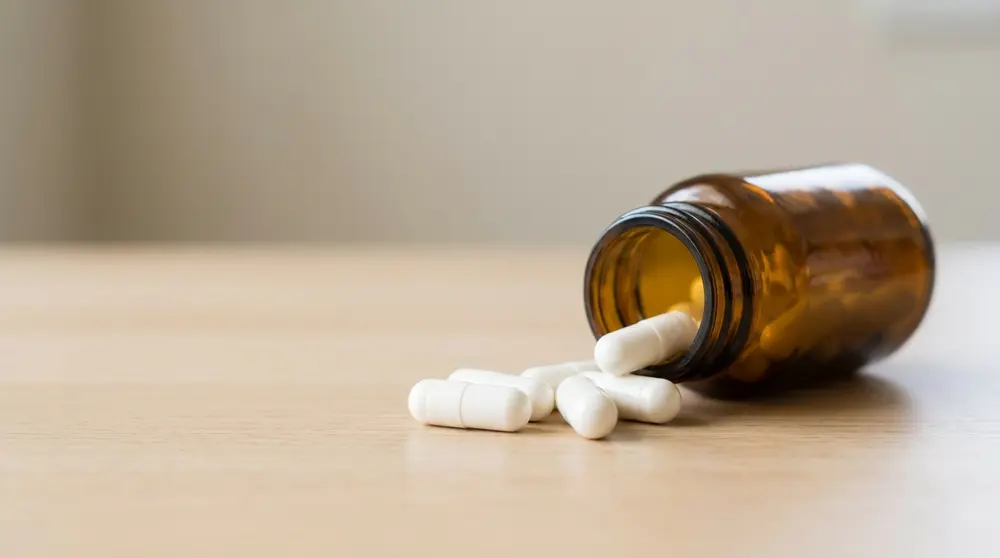
Gabapentin is a widely prescribed gabapentinoid that can cause dependence and withdrawal.
Signs You May Be Dependent on Gabapentin
Gabapentin dependence can be hard to notice from the outside because the person is often just taking a prescribed medication. The signs tend to show up in patterns of use and in how someone feels between doses. Here is what to watch for.
| Category | What it can look like |
|---|---|
| Behavioural | Taking more than prescribed, running out early, asking for early refills, seeking prescriptions from more than one doctor, or buying gabapentin without a prescription |
| Psychological | Using gabapentin to feel calm or high rather than to treat pain, anxiety when the supply runs low, and failed attempts to cut back or stop |
| Physical | Needing higher doses for the same effect, drowsiness or unsteadiness, and withdrawal symptoms such as anxiety and sweating when a dose is missed |
| Social | Combining gabapentin with opioids, alcohol, or benzodiazepines to boost the effect, secrecy about how much is being taken, and neglecting responsibilities |
If several of these ring true, it is worth talking with a doctor or an addiction specialist. A short, confidential professional assessment can sort out whether you are dealing with ordinary physical dependence, a use disorder, or an underlying condition that still needs treating, and it removes the guesswork from what to do next.
The Gabapentin Withdrawal Timeline
Withdrawal is the part that worries people most, and knowing what to expect takes some of the fear out of it. Gabapentin has a short half-life, roughly 5 to 7 hours, so the level in your blood drops fairly quickly once you stop, and symptoms can begin the same day. The timeline below is a general map. Your own experience depends on your dose, how long you used it, your kidney function, and whether other substances are involved.
| Stage | Timing after last dose | What typically happens |
|---|---|---|
| Early withdrawal | 12 to 48 hours | Rising anxiety, restlessness, irritability, sweating, nausea, and trouble sleeping |
| Peak | Days 2 to 3 | Anxiety and insomnia at their strongest, along with heavy sweating, a racing heart, headache, stomach upset, and sometimes confusion or agitation. Seizure risk is highest here for people who stop abruptly. |
| Fading acute symptoms | Days 4 to 7 | Physical symptoms gradually ease. Sleep and appetite stay disrupted, and mood remains fragile. |
| Protracted symptoms | Up to several weeks | Lingering anxiety, low mood, poor sleep, and occasional cravings, more common after long-term or high-dose use |
People who took gabapentin for a long time or at high doses tend to have a longer, bumpier course, and the anxiety and insomnia can be the last things to lift. That tail end is where a lot of people stumble, because the physical symptoms are gone and they expect to feel completely normal. Planning for those weeks, rather than being blindsided by them, makes a real difference.
Is Gabapentin Withdrawal Dangerous?
For many healthy adults, gabapentin withdrawal is deeply uncomfortable rather than life threatening. The serious exception is seizures. Stopping abruptly after regular use, especially at high doses or in anyone with a seizure disorder, can provoke seizures and, rarely, status epilepticus, a continuous seizure state that is a medical emergency. There have also been reports of severe agitation and confusion resembling a withdrawal delirium. This is the same category of concern seen with benzodiazepine withdrawal and alcohol withdrawal, where the nervous system rebounds after a calming drug is removed. It is exactly why a slow taper, ideally guided by a clinician, is the standard of care.
Why You Should Not Quit Gabapentin Cold Turkey
Plenty of people decide to just stop, either to be done with it or because they ran out. The trouble is that abrupt discontinuation is where the worst outcomes cluster. Beyond the seizure risk, stopping suddenly tends to produce a fierce rebound of the very symptoms the drug was treating. If gabapentin was managing nerve pain, that pain can come back sharper than before. If it was treating anxiety, the anxiety can spike hard. That rebound is miserable and it drives people straight back to the medication, often at a higher dose, which deepens the cycle.
The good news is that this is avoidable. A gradual reduction gives your nervous system time to readjust so it never has to slam into the absence of the drug. That is the whole logic of a taper, and it works.
How to Taper Off Gabapentin Safely
There is no single taper that fits everyone, which is why this should be done with a prescriber rather than guessed at. Still, it helps to understand the general shape of a safe reduction so you know what a reasonable plan looks like.
The manufacturer’s own guidance says that if gabapentin is stopped or changed, it should be done gradually over a minimum of one week, and a longer stretch is often wiser. Deprescribing guidance for people who have used it a while suggests slower reductions, on the order of 5 to 10 percent of the current dose every one to four weeks, and generally avoiding cuts larger than about 300 milligrams per week unless a doctor decides a faster pace is appropriate. For short-term users, a taper over a couple of weeks may be enough. For someone who has taken high doses for years, the taper can run over months.
| Situation | Typical taper approach | Notes |
|---|---|---|
| Short-term use (under 3 months) | Reduce over at least 1 to 2 weeks, often by about 100 to 300 mg every few days | Slow down if withdrawal symptoms appear |
| Long-term or high-dose use | Reduce by roughly 5 to 10 percent every 1 to 4 weeks over months | Avoid cuts greater than about 300 mg per week |
| Seizure history | Very slow, closely monitored taper | Coordinate with a neurologist; abrupt stops are especially risky |
| Reduced kidney function | Individualized, cautious taper | Gabapentin is cleared by the kidneys, so clearance is slower |
Two practical points matter here. First, kidney function shapes everything, because gabapentin leaves the body almost entirely through the kidneys, so anyone with reduced kidney function needs a plan built for them. Second, the pace is flexible on purpose. If symptoms flare, the answer is to pause or slow the taper, not to push through. A taper is a negotiation with your nervous system, not a race.
Medical Detox and Treatment in Canada
For some people, tapering at home with a family doctor’s guidance works well. For others, especially those on high doses, those who also use opioids or alcohol, or those who have tried and failed to stop on their own, a supervised setting is safer and far more comfortable. Here is how the levels of care fit together.
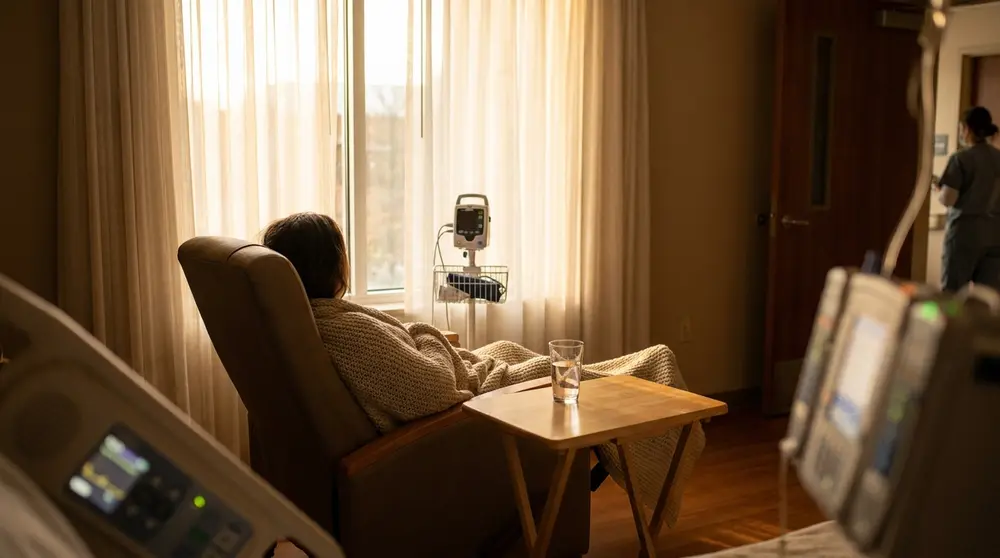
Medically supervised detox makes a gabapentin taper safer and far more comfortable.
Medical Detox
In a medically supervised detox, a clinical team monitors your vital signs, manages the taper, and treats symptoms as they come. They can adjust the reduction schedule in real time, use medications to ease anxiety, nausea, and sleep problems, and step in quickly if anything concerning develops. For anyone with a seizure history or a high-dose habit, that level of oversight turns a risky process into a controlled one. If the idea of detox is new to you, our overview of how the detox process works is a helpful starting point.
Treating What Sits Underneath
Gabapentin is almost always prescribed for a reason, so a good plan does not just remove it and walk away. If it was treating chronic nerve pain, that pain needs another strategy, whether that is a different medication, physiotherapy, or a pain program. If it was managing anxiety, that anxiety needs proper care too. When a mental health condition and a substance problem occur together, integrated dual diagnosis treatment addresses both at once instead of leaving one to undermine the other.
Counselling and Rehab Programs
When gabapentin use has become compulsive or is tangled up with other substances, counselling is where the durable change happens. Cognitive behavioural therapy helps you recognize the triggers and thought patterns that drive use and build new responses. Programs come at different intensities, and the right fit depends on the severity of the problem and your life circumstances.
| Level of care | Best suited for | What it involves |
|---|---|---|
| Medical detox | High-dose use, seizure risk, or mixed substance use | Short supervised stay to taper safely and manage symptoms |
| Residential rehab | Severe addiction, unstable home life, or repeated relapses | Living on site for 30 to 90 days with intensive daily therapy |
| Intensive outpatient | Moderate problems with stable housing and support | Several sessions a week while living at home |
| Standard outpatient | Milder cases or step-down after residential care | Weekly counselling and ongoing medication management |
Some people need the protected structure of a residential rehab to break the pattern, while others do well in an outpatient program that lets them keep working and stay close to home. If you are weighing the two, our comparison of inpatient versus outpatient treatment lays out the trade-offs. In Ontario, Rapid Access Addiction Medicine (RAAM) clinics let people walk in without an appointment or referral, which makes getting started much easier when gabapentin is bound up with opioid or alcohol use.
The Gabapentin and Opioid Danger You Need to Know
This is the part that turns a manageable prescription issue into a life-and-death one. On its own, gabapentin rarely causes fatal respiratory depression. Combined with opioids, the picture changes completely. Gabapentin appears to increase how much opioid the body absorbs and adds its own sedating effect, and the two together can suppress breathing in a way that neither reliably does alone.
The Canadian evidence on this is hard to ignore. A large population-based study in Ontario, published in PLOS Medicine, compared people who died of an opioid-related cause with matched controls who also used opioids. It found that combining gabapentin with an opioid was associated with a 49 percent higher risk of opioid-related death compared with opioid use alone, and moderate to high doses of gabapentin carried roughly a 60 percent higher risk. Health Canada has since advised Canadians to use caution when taking gabapentin or pregabalin together with opioids, and to talk to their healthcare provider about the risk.
The reach of this problem is wide because gabapentin is so common. Around 3.9 million gabapentin prescriptions were filled in Canada in a single recent year, and gabapentinoid use rose sharply over the past two decades. Studies estimate that 15 to 22 percent of people with opioid use disorder also misuse gabapentin. Anyone using both, whether by prescription or otherwise, should know that the same counterfeit-pill and contamination risks that drive illicit fentanyl deaths in Canada make the combination even more unpredictable. Having a naloxone kit on hand is a sensible precaution, and these are free at most Canadian pharmacies.
Gabapentin Compared to Other Calming Medications
People often want to know how gabapentin stacks up against the other sedating drugs they have heard about. The table below gives a rough picture. It is meant for orientation, not for making medical decisions.
| Medication | Class | Main uses | Withdrawal seizure risk | Controlled in Canada? |
|---|---|---|---|---|
| Gabapentin (Neurontin) | Gabapentinoid | Focal seizures, nerve pain | Yes, if stopped abruptly | No (prescription only) |
| Pregabalin (Lyrica) | Gabapentinoid | Nerve pain, seizures, fibromyalgia | Yes, if stopped abruptly | No (prescription only) |
| Benzodiazepines | Sedative | Anxiety, insomnia, seizures | Yes, can be severe | Yes (controlled) |
| Alcohol | Depressant | Not a medication | Yes, can be severe | Regulated |
The shared theme is that all of these calm an overactive nervous system, so removing them too quickly lets that system rebound, sometimes dangerously. That is why the safe approach to prescription drug misuse of any of them shares the same core principle: reduce slowly, with support.
What Recovery Looks Like
Getting off gabapentin is very achievable, and most people who taper properly come through it without drama. The keys are patience with the schedule, a plan for the underlying pain or anxiety, and support for the weeks when sleep and mood are still settling. If gabapentin was part of a broader pattern of substance use, then the same tools that help with any addiction apply: counselling, peer support, and a solid relapse prevention plan that names your triggers and rehearses what you will do instead.
Cost is a common worry, and there is room to breathe here. A doctor’s visit, RAAM clinic care, and the medical management of a taper are covered by provincial health plans like OHIP in Ontario. Many public detox and outpatient programs are free, though some have waiting lists, while private residential programs charge fees that may be partly covered by workplace benefits. Our guide to what drug rehab costs in Canada breaks down the numbers, and there are options at every budget.

Reaching out for help is how recovery from gabapentin dependence begins.
Getting Help in Ontario and Across Canada
If you have read this far, part of you is already looking for a way through, and that instinct is worth trusting. You do not have to figure out the taper alone, and you do not have to wait until things get worse. You can start with your family doctor, walk into a RAAM clinic without a referral, or reach out to a treatment centre directly. There are rehab centres across Ontario and dedicated programs in the Toronto area that handle prescription medication dependence every day, and specialized prescription drug rehab options if gabapentin is one of several substances involved.
Ready to talk to someone? Reach out through our confidential drug and alcohol helpline or contact our team to find the right gabapentin taper and treatment plan for you or your loved one. The call is private, and there is no pressure. If someone is having a seizure or is unresponsive, call 911 right away.
Frequently Asked Questions About Gabapentin Withdrawal
How long does gabapentin withdrawal last?
For most people, acute gabapentin withdrawal starts within 12 to 48 hours of the last dose, peaks around days 2 to 3, and eases within 5 to 10 days. Anxiety, insomnia, and low mood can linger for several weeks, especially after long-term or high-dose use.
What are the symptoms of gabapentin withdrawal?
Common symptoms include anxiety, agitation, insomnia, nausea, sweating, a racing heart, headache, muscle aches, and confusion. The most serious risk is seizures, which can occur when the drug is stopped abruptly after regular use.
Can you die from gabapentin withdrawal?
Gabapentin withdrawal is rarely fatal on its own, but it can be dangerous. Stopping suddenly after high-dose or long-term use can trigger seizures, including status epilepticus, which is a medical emergency. Tapering under medical supervision keeps that risk low.
Is it safe to stop gabapentin cold turkey?
No. Quitting gabapentin abruptly can cause seizures, severe rebound anxiety, and a sharp return of nerve pain. It should always be reduced gradually with a prescriber’s guidance rather than stopped all at once.
How do you taper off gabapentin?
A typical taper reduces the dose slowly, often by about 5 to 10 percent every one to four weeks for long-term users, and generally avoids cuts larger than roughly 300 mg per week. The manufacturer advises reducing over at least one week. Your prescriber tailors the pace to your dose, history, and how you respond.
Why does gabapentin withdrawal cause anxiety?
Gabapentin calms overactive nerve signalling, so when it is removed the nervous system rebounds and becomes overexcited. That rebound often shows up as a surge of anxiety and restlessness, which tends to be the first and most stubborn symptom.
How long does gabapentin stay in your system?
Gabapentin has a half-life of about 5 to 7 hours, so it is mostly cleared from the body within a day or two after the last dose. Because it is removed through the kidneys, people with reduced kidney function clear it more slowly.
Is gabapentin addictive?
Gabapentin causes physical dependence in most people who take it daily for more than a few weeks, and true addiction occurs in an estimated 3 to 10 percent of users, more often in people who misuse other substances. It does not strongly activate the brain’s dopamine reward pathway, which is why its addiction rate is lower than for opioids or stimulants.
What is the difference between gabapentin dependence and addiction?
Dependence means your body has adapted and will produce withdrawal if you stop, which can happen even with correct use. Addiction means compulsive use and loss of control that continues despite harm. You can be dependent without being addicted.
Can I take gabapentin with opioids?
Only under close medical supervision. Combining gabapentin with opioids raises the risk of dangerous breathing suppression and overdose. A large Ontario study linked the combination to a 49 percent higher risk of opioid-related death, and Health Canada has cautioned against using them together without medical guidance.
Does gabapentin help with opioid withdrawal?
Gabapentin is sometimes used to ease certain opioid withdrawal symptoms, but it should only be used this way under medical supervision because of the overdose risk when the two are combined. Trying to self-medicate opioid withdrawal with gabapentin is dangerous.
What helps with gabapentin withdrawal symptoms?
The most effective step is a slow, supervised taper. Beyond that, doctors can treat specific symptoms, using non-addictive options for sleep, anxiety, and nausea, and can address the underlying pain or mental health condition the gabapentin was treating. Hydration, rest, and support also help.
Can gabapentin cause seizures when you stop?
Yes. Abruptly stopping gabapentin can lower the seizure threshold and trigger seizures, particularly in people who take it for epilepsy or who use high doses. This is the main medical reason a taper is essential.
How is gabapentin withdrawal treated in Canada?
Treatment usually involves a doctor-guided taper, which may take place at home, through an outpatient program, or in a medical detox for higher-risk cases. RAAM clinics in Ontario offer walk-in access, and provincial health plans cover the medical management involved.
Will my nerve pain come back if I stop gabapentin?
It can, which is why stopping gabapentin should include a plan for the original condition. Your doctor may suggest an alternative medication, physiotherapy, or a pain management program so the pain does not simply return untreated.
Is gabapentin a controlled substance in Canada?
No. Gabapentin is a prescription-only medication in Canada but is not a federally controlled substance the way opioids and benzodiazepines are. Even so, it can cause dependence and withdrawal and should be started and stopped under medical guidance.
Medical disclaimer: This article is for general information and education. It is not a substitute for professional medical advice, diagnosis, or treatment. Do not change or stop a gabapentin prescription without talking to a qualified healthcare provider. If you or someone you know is struggling with gabapentin or another substance, please speak with a doctor or an addiction specialist. In an emergency, a suspected overdose, or a seizure, call 911 immediately.
Sources include Health Canada advisories on gabapentin and pregabalin, the Gomes et al. population-based study on gabapentin, opioids, and opioid-related death published in PLOS Medicine, the Canadian Medical Association Journal on gabapentin misuse, the U.S. Food and Drug Administration gabapentin (Neurontin) prescribing information, and clinical information from American Addiction Centers and Drugs.com on gabapentin withdrawal and tapering.