Oxycodone rarely arrives looking like a street drug. For most people it starts with a legitimate prescription after surgery, a back injury, or a run of chronic pain that would not let up. The pills work. The pain fades, and for a while life feels manageable again. Then the prescription runs low, the old pain seems to come roaring back the moment a dose is missed, and a quiet dread sets in about how to get the next one. If that pattern sounds familiar, whether it is happening to you or someone you love, you are not weak and you are not alone. Oxycodone changes the brain in ways that make stopping genuinely hard, and understanding how it works is the first real step toward getting free of it.
This guide walks through what oxycodone is, how addiction takes hold, the warning signs to watch for, what withdrawal actually feels like day by day, and the treatment options that work here in Canada. It is written to be honest without being frightening, because fear keeps people stuck and accurate information helps them move.

Recovery from oxycodone addiction usually begins with a single honest conversation.
What Is Oxycodone?
Oxycodone is a semi-synthetic opioid painkiller made from thebaine, a compound found in the opium poppy. Doctors prescribe it for moderate to severe pain, and it works by binding to opioid receptors in the brain and spinal cord, blunting pain signals and releasing a wave of dopamine that many people experience as warmth, calm, or mild euphoria. That dopamine surge is exactly what makes it effective for pain and also what makes it addictive.
You will find oxycodone under several brand names in Canada. On its own it is sold as OxyNEO and Supeudol, and in an immediate-release form for breakthrough pain. Combined with acetaminophen it becomes Percocet, and combined with aspirin it is Percodan. Extended-release oxycodone was long sold as OxyContin, a drug that sits close to the centre of Canada’s prescription opioid story. It belongs to the same broad family as other opioids such as morphine, hydromorphone, and codeine, and dependence on any of them follows a similar path.
Oxycodone is roughly one and a half times more potent than morphine when taken by mouth, and a single controlled-release tablet in Canada can contain as much as 80 milligrams. That potency is part of why it earned a reputation for both effective pain relief and serious harm.
A Short History of Oxycodone in Canada
Health Canada approved OxyContin in 1996, and it was marketed heavily as a long-acting option for chronic pain that carried a supposedly low risk of addiction. That claim did not hold up. Prescriptions climbed, misuse spread, and by 2012 provincial drug plans across the country stopped covering OxyContin. Purdue Pharma Canada replaced it with OxyNEO, a tamper-resistant version designed to be far harder to crush, chew, or snort. The reformulation reduced some kinds of misuse, but it also pushed many people who were already dependent toward other opioids, including heroin and later illicit fentanyl. Understanding that history matters, because it explains why so many Canadian families first encountered opioid addiction through a legitimate pill bottle.
How Oxycodone Addiction Develops
There is an important difference between dependence and addiction, and mixing them up causes a lot of unnecessary shame. Physical dependence means your body has adapted to the drug and will produce withdrawal symptoms if you stop. This can happen to anyone who takes opioids regularly for a couple of weeks, even exactly as prescribed. Addiction, which clinicians now call opioid use disorder, is different. It involves compulsive use that continues despite harm, cravings that hijack your attention, and a loss of control over how much and how often you use.
The slide from one to the other tends to be gradual. Tolerance builds, so the original dose stops doing what it used to. You take a little more to get the same relief, or to feel normal. Missing a dose brings on early withdrawal, which feels a lot like the pain returning, so you take another pill to make it stop. Before long the drug is no longer about the original injury at all. It is about staying ahead of the sickness and holding off the anxiety that comes when the level in your blood starts to drop. This is not a character flaw. It is neurobiology, and it responds to treatment.
Signs and Symptoms of Oxycodone Addiction
Oxycodone addiction can be hard to spot from the outside, especially early on, because the person may still be functioning at work and at home. The signs tend to show up in behaviour and mood before they become obvious physically. Here is what to watch for.
| Category | What it can look like |
|---|---|
| Behavioural | Taking more than prescribed, running out early, requesting early refills, seeing multiple doctors, ordering pills online, or crushing tablets to snort or inject them |
| Psychological | Using oxycodone to cope with stress or emotions rather than pain, preoccupation with the next dose, irritability or anxiety when supply is low, and failed attempts to cut down |
| Physical | Drowsiness and nodding off, constricted pupils, slurred speech, constipation, nausea, and cycles of feeling well after a dose then unwell before the next |
| Social | Withdrawing from family and friends, secrecy about pill use, money problems, and losing interest in activities that used to matter |
If several of these ring true, it is worth talking to a doctor or an addiction specialist. A quick, confidential professional assessment can clarify whether what you are dealing with is dependence, a use disorder, or something else entirely, and it takes the guesswork out of the next step.
How Oxycodone Compares to Other Opioids
People often want to know where oxycodone sits relative to the other opioids they have heard about. The table below gives a rough picture. Potency figures are approximate and vary with the route and the person.
| Opioid | Relative potency (vs morphine) | Common forms | Withdrawal onset after last dose |
|---|---|---|---|
| Codeine | About 0.15x | Tablets, cough syrup | 8 to 12 hours |
| Morphine | 1x (reference) | Tablets, injectable | 8 to 12 hours |
| Oxycodone | About 1.5x | OxyNEO, Percocet, immediate-release | 8 to 12 hours (immediate release), 24 to 48 hours (extended release) |
| Hydromorphone | About 4x to 5x | Dilaudid tablets, injectable | 4 to 8 hours |
| Heroin | About 2x to 3x | Illicit powder | 6 to 12 hours |
| Fentanyl | About 50x to 100x | Patches, illicit powder and pressed pills | 6 to 24 hours |
The takeaway is not that oxycodone is safe by comparison. It is that all of these drugs create the same kind of dependence, and the treatment principles for heroin, oxycodone, and other prescription opioids like tramadol overlap heavily.
The Oxycodone Withdrawal Timeline
Withdrawal is the part that scares people most, and it is usually the single biggest reason someone puts off getting help. It helps to know what to expect. Oxycodone withdrawal is deeply uncomfortable, but for most healthy adults it is not life threatening the way alcohol or benzodiazepine withdrawal can be. The main risks are dehydration from vomiting and diarrhea, and the danger of relapse and overdose after tolerance has dropped.
The timeline depends on which form you were taking. Immediate-release oxycodone, like the oxycodone in Percocet, leaves the body faster, so symptoms start sooner. Extended-release forms like the old OxyContin release more slowly, so withdrawal begins later and can run a little longer.
| Stage | Timing after last dose | What typically happens |
|---|---|---|
| Early withdrawal | 8 to 24 hours (later for extended release, 24 to 48 hours) | Anxiety, restlessness, muscle aches, yawning, sweating, runny nose, watery eyes, and trouble sleeping |
| Peak | Days 2 to 4 | Nausea, vomiting, diarrhea, abdominal cramps, goosebumps, dilated pupils, rapid heartbeat, and intense cravings. This is the hardest stretch. |
| Fading acute symptoms | Days 5 to 7 | Physical symptoms ease. Low energy, poor appetite, and disrupted sleep often linger. |
| Post-acute | Weeks to months | Mood swings, low mood, anxiety, fatigue, and waves of craving. Known as post-acute withdrawal syndrome, or PAWS. |
For long-term or heavy users, the acute phase can stretch to three or four weeks rather than one. The emotional symptoms, especially the low mood and cravings of PAWS, are what catch people off guard, because the physical part is over and they expect to feel fine. This is exactly where ongoing support makes the difference between a rough week and a relapse.
Why You Should Not Detox Alone
Plenty of people try to white-knuckle their way through withdrawal at home, and some manage it. The problem is that the odds are stacked against them. Cravings at peak are ferocious, symptoms like vomiting can lead to dehydration, and the risk of relapse is highest precisely when the discomfort is worst. There is also a hidden danger. After a few days without opioids your tolerance falls quickly, so a dose that felt normal a week ago can now cause a fatal overdose. This is why medically supervised withdrawal is safer, and why a structured detox process exists in the first place.
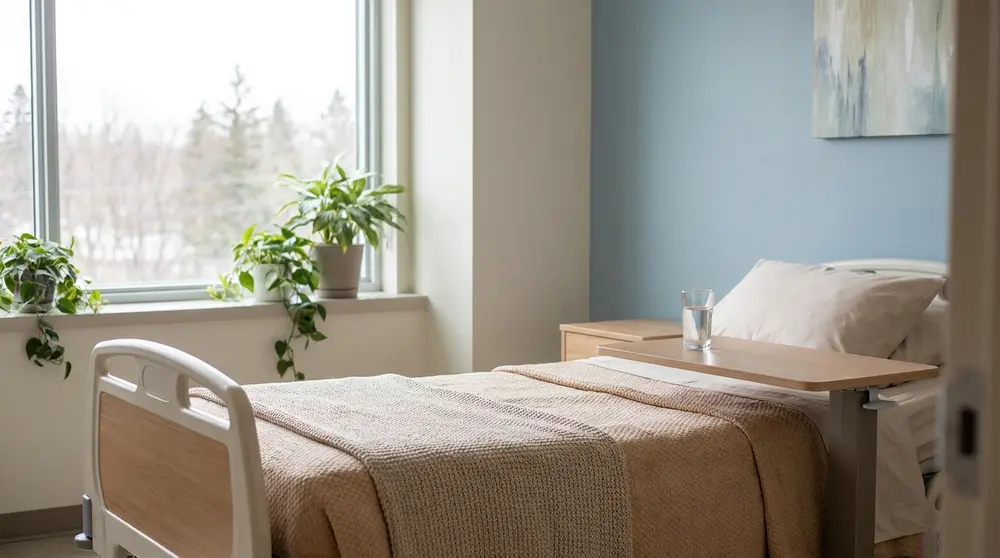
Supervised medical detox makes oxycodone withdrawal safer and far more bearable.
Oxycodone Overdose and Naloxone
Overdose is the sharpest edge of opioid use, and it is worth knowing the signs cold, because recognizing them fast can save a life. An oxycodone overdose slows breathing to the point where the brain and body are starved of oxygen. It can happen with pills alone, and the risk rises steeply when opioids are mixed with alcohol, benzodiazepines, or other sedatives.
| Overdose warning sign | What to do |
|---|---|
| Slow, shallow, or stopped breathing | Call 911 immediately |
| Pinpoint pupils | Give naloxone if you have it |
| Blue or grey lips, nails, or skin | Start rescue breathing |
| Gurgling, choking, or snoring sounds | Roll the person onto their side once breathing |
| Cold, clammy skin and unresponsiveness | Stay with them until help arrives |
Naloxone reverses an opioid overdose by knocking the drug off the brain’s opioid receptors, and it can bring someone back within minutes. In Canada, free naloxone kits are available at most pharmacies without a prescription, and anyone who uses opioids or lives with someone who does should have one on hand. It wears off after 30 to 90 minutes, and the overdose can return, so you always call 911 even after giving it. Canada’s Good Samaritan Drug Overdose Act offers some legal protection for people who call for help at an overdose. If you want to understand this better, our piece on how naloxone works and its limits is a good place to start.
The Counterfeit Pill Problem
There is one more danger that did not exist when OxyContin first appeared, and every person using oxycodone outside a prescription needs to hear it. A large share of the pills sold on the street as oxycodone are counterfeit, and many contain illicit fentanyl instead. They look convincing. There is no way to tell by sight, taste, or feel, and because fentanyl is so much stronger, a fake “oxy” can be lethal to someone expecting a familiar dose. This is a big reason overdose deaths climbed even among people who thought they were taking a predictable prescription opioid. If you want the full picture of that risk, our guide to fentanyl in Canada’s drug supply covers it in depth.
Oxycodone Addiction Treatment in Canada
Here is the part worth holding onto. Opioid use disorder is one of the most treatable substance problems there is, in part because we have medications that work extremely well. Treatment is not a single event. It is usually a sequence that moves from stabilizing the body, to medication that steadies the cravings, to therapy that rebuilds the life underneath.
Medical Detox
The first stage is getting through withdrawal safely. In a medical detox setting, a clinical team monitors your vital signs and uses medication to blunt the worst of the symptoms. Medications like clonidine help with sweating, cramps, and anxiety, while anti-nausea and anti-diarrheal drugs manage the gut symptoms and prevent dehydration. Most importantly, detox is often the moment opioid agonist treatment is started, which turns the corner from suffering through withdrawal to actually treating the disorder.
Opioid Agonist Treatment
Opioid agonist treatment, sometimes called medication-assisted treatment, is the backbone of modern opioid care in Canada. It uses long-acting medications that occupy the same receptors oxycodone binds to, which stops withdrawal and cravings without the highs and crashes. Canadian clinical guidelines recommend two main options.
Buprenorphine and naloxone, sold as Suboxone, is the recommended first-line treatment in Canada. Buprenorphine is a partial agonist, so it has a built-in ceiling that makes overdose far less likely, and the naloxone component discourages misuse. It can often be started at home once you are in early withdrawal, and many people stabilize on it quickly. Our detailed explainer on how Suboxone helps Canadians recover is worth a read if this is on the table for you.
Methadone is a full agonist that has helped people stay in recovery for decades. It tends to be used when buprenorphine does not hold someone well or causes problems, and it requires closer monitoring and daily pharmacy visits at first. Both medications cut the risk of overdose death dramatically, and both are meant to be taken for as long as they are helping, which for many people is a matter of years rather than weeks.
Across Ontario, Rapid Access Addiction Medicine (RAAM) clinics let people walk in without an appointment or referral and leave the same day with a prescription and a plan. They have made starting treatment far easier than it used to be.
Inpatient and Outpatient Programs
Medication handles the biology, but lasting recovery needs the counselling and structure that address why the use started and how to build a life without it. Programs come at different intensities, and the right fit depends on your situation, your support at home, and the severity of the addiction. The comparison below lays out the main levels of care.
| Level of care | Best suited for | What it involves |
|---|---|---|
| Medical detox | Anyone stopping regular oxycodone use | Short stay, 3 to 10 days, focused on safe, supervised withdrawal |
| Residential or inpatient rehab | Severe addiction, unstable home life, or repeated relapses | Living on site for 30 to 90 days with intensive daily therapy and full structure |
| Intensive outpatient | Moderate addiction with stable housing and support | Several therapy sessions a week while living at home and keeping work or family duties |
| Standard outpatient | Milder cases or step-down after residential care | Weekly counselling plus ongoing medication management |
There is no single right answer here. Some people need the protected environment of residential rehab to break the cycle, while others do better in an outpatient program that lets them keep working. If you are weighing the two, our breakdown of inpatient versus outpatient treatment can help you think it through.
Therapy and Dual Diagnosis
Counselling is where the deeper work happens. Cognitive behavioural therapy helps you spot the thoughts and situations that trigger use and build different responses. Motivational interviewing strengthens your own reasons for change. Group therapy and peer support break the isolation that addiction thrives on. And because opioid use so often sits alongside depression, anxiety, trauma, or chronic pain, treating those at the same time matters enormously. When a mental health condition and a substance problem occur together, integrated dual diagnosis treatment addresses both rather than forcing you to pick one.
What Treatment Costs in Canada
Cost is one of the first questions on people’s minds, and the honest answer is that it varies. Publicly funded options exist and cover a lot. Visits to a doctor or a RAAM clinic, and the medical management of opioid agonist treatment, are covered by provincial health plans like OHIP in Ontario. Many public detox and outpatient programs are free, though they sometimes have waiting lists. Private residential programs charge fees that can range widely depending on length and amenities, and some are partly covered by workplace benefits or employee assistance plans. We go deeper into the numbers in our guide to what drug rehab costs, and there are always options regardless of budget, including publicly funded and low-cost paths.
Life After Detox: Staying in Recovery
Detox is the start line, not the finish. The months after are where recovery is won or lost, and the good news is that people succeed at this every single day. Staying well usually comes down to a few things working together: continuing medication for as long as it helps, showing up for counselling, building a support network whether that is a peer group or family, and having a plan for the moments when cravings hit hard. Learning to recognize your personal triggers and rehearsing what you will do instead is the heart of any solid relapse prevention plan. Relapse, if it happens, is not the end of the story. It is a signal to adjust the plan and get support back in place, and it carries a real medical risk of overdose because of lost tolerance, which is one more reason to keep naloxone close.
Reaching out is not a sign of weakness. It is how recovery starts.
Getting Help in Ontario and Across Canada
If you have read this far, some part of you is already looking for a way out, and that instinct is worth trusting. Help is closer than it feels. You can start with your family doctor, walk into a RAAM clinic without a referral, or reach out to a treatment centre directly. Across the province there are rehab centres throughout Ontario and dedicated programs in the Toronto area that treat opioid use disorder every day. Wherever you are in the country, you do not have to figure this out alone, and you do not have to be at rock bottom to deserve help.
Ready to talk to someone? Reach out through our confidential drug and alcohol helpline or contact our team to find the right oxycodone treatment option for you or your loved one. The call is private, and there is no pressure. If this is an emergency or someone is overdosing, call 911 right away.
Frequently Asked Questions About Oxycodone
What is oxycodone used for?
Oxycodone is a prescription opioid used to treat moderate to severe pain, such as pain after surgery, after a serious injury, or from cancer. It works by binding to opioid receptors in the brain and spinal cord to reduce how strongly the body registers pain.
Is oxycodone the same as OxyContin?
OxyContin is a brand name for the extended-release form of oxycodone. The active drug is the same. Oxycodone also appears in Percocet with acetaminophen, in Percodan with aspirin, and as OxyNEO and Supeudol in Canada.
How addictive is oxycodone?
Oxycodone is highly addictive. Regular use for even a couple of weeks can create physical dependence, and continued use raises the risk of opioid use disorder. Because it is about one and a half times stronger than morphine, its potential for misuse and overdose is significant.
How long does oxycodone withdrawal last?
Acute oxycodone withdrawal usually starts within 8 to 24 hours of the last dose, peaks around days 2 to 4, and eases within 5 to 7 days for most people. Heavy or long-term users may feel acute symptoms for three to four weeks, and post-acute symptoms like low mood and cravings can linger for months.
What are the first signs of oxycodone withdrawal?
The earliest signs are usually anxiety, restlessness, muscle aches, yawning, sweating, a runny nose, watery eyes, and trouble sleeping. These often feel like the flu combined with the original pain returning, which is why people are tempted to take another dose.
Can you die from oxycodone withdrawal?
Oxycodone withdrawal is rarely fatal on its own for healthy adults, unlike alcohol or benzodiazepine withdrawal. The real dangers are dehydration from vomiting and diarrhea, and the high risk of relapse and overdose once tolerance drops. Medical supervision keeps both risks in check.
What helps with oxycodone withdrawal symptoms?
Medically supervised detox uses medications like clonidine to ease sweating, cramps, and anxiety, plus anti-nausea and anti-diarrheal drugs to prevent dehydration. Starting opioid agonist treatment such as buprenorphine and naloxone can stop withdrawal and cravings altogether.
Is oxycodone stronger than morphine?
Yes. Taken by mouth, oxycodone is roughly one and a half times more potent than morphine. It is weaker than hydromorphone, heroin, and far weaker than fentanyl, but all of these opioids cause the same kind of dependence.
What is the best treatment for oxycodone addiction?
The most effective approach combines opioid agonist treatment, usually buprenorphine and naloxone as first-line therapy in Canada, with counselling and ongoing support. Medication steadies the brain while therapy addresses the causes of use and builds relapse prevention skills.
Can I get treatment for oxycodone addiction for free in Canada?
Yes. Doctor visits, RAAM clinic care, and the medical management of opioid agonist treatment are covered by provincial health plans such as OHIP in Ontario. Many public detox and outpatient programs are free, though some have waiting lists. Private residential programs charge fees that may be partly covered by workplace benefits.
What is a RAAM clinic?
A Rapid Access Addiction Medicine clinic lets people walk in without an appointment or referral to get started on treatment, including opioid agonist medication, the same day. RAAM clinics operate across Ontario and have made it much easier to begin recovery quickly.
Are street oxycodone pills safe?
No. Many pills sold on the street as oxycodone are counterfeit and contain illicit fentanyl, which is far stronger and can be lethal in a dose that looks ordinary. There is no reliable way to tell by sight, so any non-prescribed pill carries a serious overdose risk.
How do I know if a loved one is addicted to oxycodone?
Warning signs include running out of pills early, requesting frequent refills, mood swings, secrecy, drowsiness, constricted pupils, withdrawing from family, and using the drug to cope with stress rather than pain. A professional assessment can confirm what is happening.
Does oxycodone show up on a drug test?
Oxycodone can be detected in urine for roughly one to four days after the last dose, in blood for up to about a day, and in hair for up to 90 days. The exact window depends on dose, how long it was used, and individual metabolism.
Can you recover from oxycodone addiction?
Absolutely. Opioid use disorder is one of the most treatable substance problems, and medications like buprenorphine and methadone dramatically reduce cravings and overdose risk. With the right treatment and support, people rebuild stable, healthy lives every day.
How does oxycodone addiction relate to Canada’s opioid crisis?
Oxycodone, especially OxyContin, was an early driver of Canada’s opioid crisis in the 2000s. When prescribing tightened and OxyContin was reformulated in 2012, many dependent people turned to heroin and then illicit fentanyl. In 2024 there were about 7,146 opioid toxicity deaths in Canada, with roughly three quarters involving fentanyl.
Medical disclaimer: This article is for general information and education. It is not a substitute for professional medical advice, diagnosis, or treatment. If you or someone you know is struggling with oxycodone or another opioid, please speak with a qualified healthcare provider or addiction specialist. In an emergency or suspected overdose, call 911 immediately.
Sources include Health Canada and the Public Health Agency of Canada opioid surveillance data, the Government of Canada guidance on opioid use disorder and treatment, the Canadian Centre on Substance Use and Addiction, and clinical information from American Addiction Centers and The Recovery Village on oxycodone withdrawal.