
MDMA (ecstasy or molly) is a synthetic stimulant with psychedelic effects that releases a surge of serotonin, giving a few hours of energy and emotional closeness followed by a comedown that can last several days. It is less likely to cause dependence than drugs like methamphetamine or cocaine, but some people do develop heavy, compulsive patterns of use, and Health Canada notes that tolerance builds and the drug can be addictive. The most serious dangers are overheating, low blood sodium from drinking too much water, serotonin syndrome and an unregulated supply, so call 911 in any emergency and reach out to free Canadian services if use is getting out of hand.
This guide covers what MDMA is, how a typical experience and comedown unfold, what dependence on it really looks like, the risks that send people to hospital, where the law stands in Canada, what is happening with MDMA-assisted therapy research, and where to find help in your province. For a shorter overview of the drug itself, see our ecstasy addiction drug guide.
What Is MDMA?
MDMA stands for 3,4-methylenedioxymethamphetamine. Chemically it is related to amphetamine, and it also has mild hallucinogenic effects, which is why it is sometimes described as an empathogen. Health Canada describes it as a drug often taken at parties, raves and music festivals, usually swallowed as a tablet or capsule. It raises energy and confidence and creates strong feelings of warmth and closeness toward other people.
The names cause confusion. Ecstasy (also E, X or XTC) usually means pressed tablets, often coloured and stamped with a logo. Molly is usually sold as crystals, powder or capsules and is often marketed as pure MDMA. Health Canada points out that tablets vary in size, colour and strength and that an official looking stamp tells you nothing about what is inside. The same is true of powder and capsules.
| Street name | Usual form | What to know |
|---|---|---|
| Ecstasy, E, X, XTC | Pressed tablets, often stamped | Strength varies widely from pill to pill, and some contain other drugs |
| Molly, Mandy, M | Crystals, powder or capsules | Sold as pure MDMA, but purity is never guaranteed on the street |
| Sass, MDA | Powder or capsules | A related drug with longer, more stimulating effects that is sometimes sold as or mixed with MDMA |
How it works in the brain
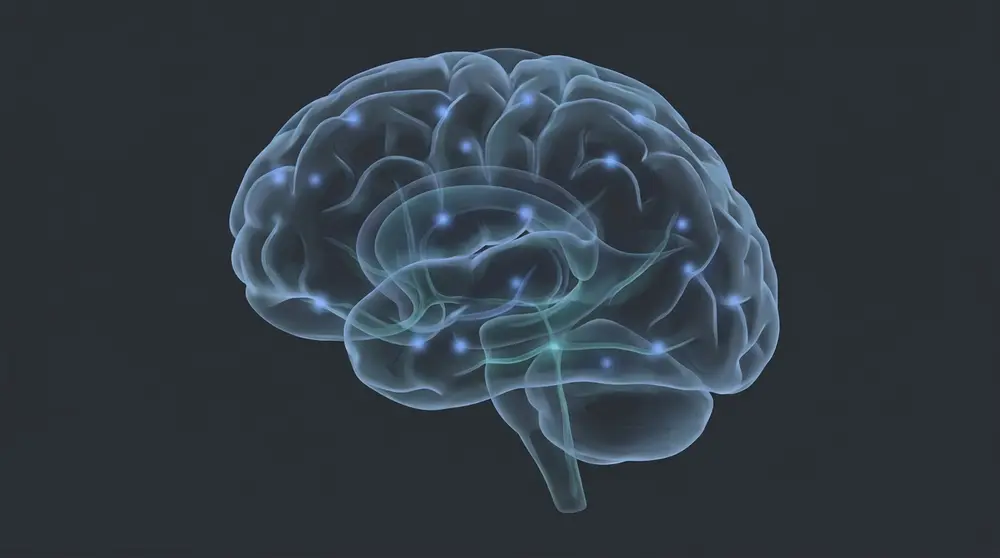
MDMA causes nerve cells to release large amounts of serotonin, along with dopamine and norepinephrine. Serotonin helps regulate mood, sleep, appetite and feelings of trust. The flood of serotonin drives the warm, open feeling people seek, and it also explains the low that follows. Once the drug wears off, the brain's serotonin stores are depleted and take time to rebuild, which is the main reason people feel flat, anxious or irritable in the days after.
Effects and the Comedown Timeline
According to the Canadian Centre on Substance Use and Addiction (CCSA), effects usually start 20 to 40 minutes after swallowing MDMA, peak at around 75 to 120 minutes and then plateau for roughly three and a half hours. Health Canada gives a similar picture, with effects lasting about three to six hours and some unpleasant effects lingering for up to a week or longer. Timing varies with the person, what they ate, what else they took and whether the product was really MDMA.
| Stage | Typical timing | What people commonly feel |
|---|---|---|
| Come-up | 20 to 60 minutes after taking it | Rising energy, tingling, a rush of anticipation, sometimes nausea or anxiety |
| Peak | Roughly 1 to 2 hours in | Euphoria, closeness to others, heightened senses, jaw clenching, sweating, faster heart rate and higher body temperature |
| Plateau and fade | About 3 to 6 hours in total | Effects level off, then taper; people often feel tired and restless at the same time |
| Immediate comedown | That night and the next day | Trouble sleeping, exhaustion, sore jaw, low appetite, flat or anxious mood |
| Midweek low ("Tuesday blues") | Often two to four days after use | Low mood, irritability, poor concentration, anxiety and sometimes tearfulness |
| Recovery | Usually within about a week | Mood and sleep return to normal for most occasional users; heavy use can stretch this out |
Why the "Tuesday blues" happen
People who use MDMA on a Friday or Saturday night often notice the worst of the low arriving midweek, which is where nicknames like Tuesday blues or suicide Tuesday come from. The Alcohol and Drug Foundation lists poor sleep, tiredness, anxiety, irritability, low mood, paranoia and trouble concentrating as common in the days after use. The likely cause is the temporary drop in serotonin, made worse by lost sleep, dehydration and any alcohol or other drugs taken the same night.
For most people the midweek low passes. If low mood is deep, lasts beyond a week or two, or comes with thoughts of self-harm, treat it seriously. Call or text the 988 Suicide Crisis Helpline at 9-8-8 any time, day or night, or call 911 if someone is in immediate danger.
Is MDMA Addictive?
MDMA can be addictive, but dependence is less common than with stimulants such as methamphetamine or cocaine, and it tends to look different. Most people who try ecstasy use it occasionally and never develop a problem. Health Canada states that MDMA can be addictive and that tolerance develops, meaning a person needs more to feel the same effects. The Alcohol and Drug Foundation notes that people who use it regularly may become dependent and can have withdrawal symptoms such as cravings, low mood, anxiety, exhaustion, poor sleep and reduced appetite when they stop.
Research on ecstasy dependence is mixed. An Australian study from the National Drug and Alcohol Research Centre found that close to half of a group of current users met standard criteria for dependence, and those users reported more physical, financial and relationship harms. The same researchers cautioned that the usual criteria may overstate the problem for a drug most people use every week or two rather than daily, and that ecstasy dependence may take a different form from dependence on other drugs. The practical takeaway is that frequency matters less than the pattern and the harm it is causing.
Patterns that suggest a problem
- Using more often than planned, or extending weekends into several days of use
- Needing larger amounts, or redosing through the night, to get the same feeling
- Using alone or on weekdays rather than only at social events
- Midweek lows that are getting longer or harder to shake, with using again as the main way to feel better
- Mixing MDMA with alcohol, cocaine, ketamine or GHB as a regular routine
- Spending money, missing work or school, or straining relationships because of use
- Trying to cut back and finding it difficult
If several of these sound familiar, it is worth talking to someone. A professional drug and alcohol assessment can sort out what kind of support fits.
The Real Risks of MDMA
Serious MDMA emergencies are uncommon compared with how often the drug is used, but they can happen to healthy people, sometimes on their first try. The clinical picture is described in the StatPearls review of MDMA toxicity, and most deaths and hospital stays trace back to a handful of problems.
Overheating (hyperthermia)
MDMA raises body temperature, heart rate and blood pressure. In a hot, crowded venue with hours of dancing, core temperature can climb high enough to damage muscle, kidneys, the liver and the brain. Health Canada and CCSA both flag hyperthermia, heat exhaustion and dehydration as major risks in clubs and festivals. Taking regular breaks somewhere cool, wearing light clothing and watching friends for signs of overheating all reduce the risk.
Too much water (hyponatremia)
MDMA causes the body to hold on to water. Drinking large amounts of plain water to stay cool can dilute the sodium in the blood to a dangerous level, causing the brain to swell. The Alcohol and Drug Foundation warns that this can cause coma or death. Sipping fluids steadily rather than gulping large volumes, and including drinks with electrolytes, is the usual harm reduction advice. Headache, confusion, vomiting or unusual drowsiness after drinking a lot of water is an emergency.
Serotonin syndrome
Combining MDMA with other drugs that raise serotonin can trigger serotonin syndrome. Health Canada names antidepressants and some HIV medications as particular concerns, and other examples include certain migraine drugs, tramadol and other stimulants. Warning signs include agitation, a racing heart, high fever, heavy sweating, muscle stiffness or twitching, and confusion. Anyone taking prescription medication should talk to a doctor or pharmacist about interactions; they will not report you, and the conversation can prevent a serious reaction.
Heart, mood and longer-term effects
Health Canada lists higher heart rate and blood pressure, a risk of stroke, and, with repeated use, possible kidney or liver damage, memory problems, sleep trouble, depression and anxiety. Animal studies show effects on serotonin neurons, though CCSA notes that how much this applies to humans is still unclear. People with heart conditions, epilepsy, diabetes or liver or kidney disease face higher risks. Teens appear more vulnerable because the brain is still developing, which our page on addiction in teens explores further.
An unregulated supply
Street MDMA has no quality control. Health Canada reports that pills sold as MDMA are often mixed with other substances, including ketamine, methamphetamine, amphetamine, cocaine, synthetic cathinones (sometimes called bath salts) and 2C drugs. CCSA adds PMA, PMMA and MDA to that list. PMA and PMMA are especially dangerous because they take longer to kick in, which can lead people to take more.
Drug checking results from British Columbia show that most samples sold as MDMA do turn out to contain MDMA, but a meaningful minority contain something else or contain no MDMA at all. Fentanyl contamination of MDMA is uncommon, yet it does happen: in March 2022, Nova Scotia Health warned about a batch of MDMA that tested positive for fentanyl. With Canada's illegal supply still heavily affected by fentanyl, carrying naloxone makes sense even for people who never intend to use opioids. Our guide to how naloxone works explains why.
| Call 911 right away if someone has | Possible cause |
|---|---|
| Very hot, dry or flushed skin, confusion, collapse or a seizure | Hyperthermia (overheating) |
| Severe headache, vomiting, confusion or drowsiness after drinking lots of water | Hyponatremia (low blood sodium) |
| High fever, rigid or twitching muscles, agitation and a racing heart | Serotonin syndrome |
| Chest pain, a pounding or irregular heartbeat, or signs of stroke | Heart and blood pressure effects |
| Slow or stopped breathing, blue lips, or no response | Possible opioid contamination; give naloxone if you have it |
Canada's Good Samaritan Drug Overdose Act, in force since May 2017, protects people who call 911 or stay at the scene of an overdose from charges for simple drug possession. It does not cover trafficking, production or outstanding warrants. Fear of police should never be the reason someone waits to call.
Drug Checking and Harm Reduction in Canada
Not everyone is ready to stop, and harm reduction keeps people safer in the meantime. Canada has a growing network of free, confidential drug checking services that can tell you what is actually in a sample. A few examples:
- Vancouver Coastal Health drug checking, offered free and anonymously at overdose prevention and supervised consumption sites, with spectrometer testing at locations such as Insite
- Substance Drug Checking in Victoria and other Vancouver Island communities, which publishes regular reports on what it finds
- Toronto's Drug Checking Service, which accepts small samples at community health centre partner sites and uses lab testing sensitive enough to find trace amounts
- Take-home fentanyl test strips, available free from many health authorities and harm reduction programs across the country
Drug checking lowers risk but cannot make an unregulated drug safe, and test strips only detect the substance they are designed for. Other practical steps include never using alone (the National Overdose Response Service at 1-888-688-6677 will stay on the line and send help if you stop responding), carrying naloxone, avoiding mixing MDMA with alcohol or other drugs, checking medication interactions with a pharmacist, taking breaks to cool down, and sipping fluids rather than gulping. This page does not give dosing advice; a harm reduction worker or drug checking service can talk through specific questions in person.

Is MDMA Legal in Canada?
No. MDMA is listed in Schedule I of the Controlled Drugs and Substances Act, the same schedule as heroin, cocaine and methamphetamine. Possessing, selling or producing it is illegal unless authorized for medical, scientific or industrial purposes. Possession of a Schedule I drug can bring up to seven years in prison if prosecuted as an indictable offence, while trafficking and production carry much heavier maximums. Since 2022, the Act also directs police and prosecutors to consider warnings, referrals to treatment or other alternatives before charging someone with simple possession.
British Columbia ran a three-year pilot from January 31, 2023, that removed criminal penalties for adults carrying up to 2.5 grams in total of opioids, cocaine, methamphetamine and MDMA for personal use. The exemption was narrowed in 2024 and ended on January 31, 2026, after the province decided not to seek an extension. Possession of MDMA is now illegal everywhere in Canada.
MDMA-Assisted Therapy: Where Things Stand
MDMA is being studied as a medicine, mainly for post-traumatic stress disorder (PTSD), using pharmaceutical-grade MDMA given in a few supervised sessions alongside psychotherapy. That is very different from taking an unknown street pill at a party, and the research does not suggest recreational use is safe or therapeutic.
- Canada: No MDMA-based therapeutic product is approved. Since January 2022, doctors have been able to apply to Health Canada's Special Access Program for restricted drugs such as MDMA for patients with serious conditions when other treatments have failed or are unsuitable. Requests are reviewed case by case, the drug must be given in the presence of a practitioner, and Health Canada stresses that an authorization is not a statement that the drug is safe or effective. Clinical trials involving MDMA require Health Canada authorization.
- United States: The FDA declined to approve MDMA-assisted therapy for PTSD in August 2024 and asked for more evidence. The sponsor, now called Resilient Pharmaceuticals, resubmitted its application in 2026, and no decision had been announced at the time of writing.
- Australia: Since July 1, 2023, specially authorized psychiatrists there can prescribe MDMA for PTSD within strict controls.
If you are living with PTSD or trauma, proven treatments are available now, including trauma-focused therapy and medication. Many people who use MDMA recreationally are, knowingly or not, trying to ease anxiety or old pain, and dual diagnosis treatment addresses mental health and substance use together.
How MDMA Problems Are Treated
There is no medication approved specifically to treat MDMA dependence. Because the pull of the drug is mostly psychological, treatment centres on counselling, practical skills and support, which works well for many people. Withdrawal from MDMA alone is not usually medically dangerous, so most people do not need a hospital detox. A supervised start is wise when someone also depends on alcohol, benzodiazepines or opioids, or feels severely depressed or unsafe while coming down.
- Assessment: A full picture of what you use, how often and why, plus any mental health concerns, so the plan matches the real pattern.
- Counselling and therapy: Cognitive behavioural therapy helps people spot triggers and change routines built around weekends and events. Motivational interviewing helps people work through mixed feelings about change.
- Treating what sits underneath: Anxiety, depression and trauma often drive heavy use and need care in their own right.
- Peer support: Groups such as SMART Recovery and 12-step programs give people a community that is not built around partying.
Choosing a level of care
| Option | Who it tends to suit | What it involves |
|---|---|---|
| Outpatient programs | Most people with MDMA problems, especially those with work, school and support at home | Regular counselling or group sessions while living at home; often free through provincial health services |
| Intensive outpatient or day programs | People who need more structure than weekly sessions | Several sessions a week, sometimes most of the day, while still sleeping at home |
| Youth and adolescent programs | Teens and young adults | Age-specific counselling, family involvement and links to school supports |
| Residential rehab | Heavier polysubstance use, an unsafe or unstable home, or serious mental health concerns | Living on site for several weeks with daily therapy and structure |
Public programs are free in every province, though wait times vary, and many private programs also accept clients directly.
Where to Get Help in Canada
You do not need a referral to start. A family doctor, walk-in clinic, campus health service or the provincial lines below can connect you to local outpatient counselling, youth services or residential care. These numbers come from Health Canada's list of substance use services.
| Province or service | Who to contact |
|---|---|
| Anywhere in Canada | 988 Suicide Crisis Helpline: call or text 9-8-8. Kids Help Phone: 1-800-668-6868 or text CONNECT to 686868. Hope for Wellness (Indigenous peoples): 1-855-242-3310. Dial 2-1-1 for local community services. |
| British Columbia | Alcohol and Drug Information and Referral Service: 1-800-663-1441. Foundry (ages 12 to 24): 1-833-308-6379. See British Columbia rehab centres. |
| Alberta | AHS Addiction Helpline: 1-866-332-2322. See Alberta rehab centres. |
| Saskatchewan | HealthLine: 8-1-1. See Saskatchewan rehab centres. |
| Manitoba | Manitoba Addictions Helpline (call or text): 1-855-662-6605. See Manitoba rehab centres. |
| Ontario | ConnexOntario: 1-866-531-2600 or text CONNEX to 247247. Good2Talk for post-secondary students: 1-866-925-5454. See Ontario rehab centres. |
| Quebec | Drogue : aide et référence: 1-800-265-2626 (514-527-2626 in Montreal). Tel-jeunes: 1-800-263-2266. See Quebec drug and alcohol rehabs. |
| Atlantic Canada | Nova Scotia Mental Health and Addictions Intake: 1-855-922-1122. New Brunswick Tele-Care: 8-1-1. PEI Addiction Services: 1-888-299-8399. NL Systems Navigator: 1-877-999-7589. |
| Territories | Yukon: 1-867-667-8473. Northwest Territories: 1-800-661-0844. Nunavut Kamatsiaqtut Helpline: 1-800-265-3333. |
If you would like help comparing programs or understanding your options, our drug and alcohol helpline is free and confidential.
Helping someone you care about
If a friend or family member's weekends are turning into a pattern, pick a calm, sober moment and speak from concern rather than anger. Mention specific things you have noticed, such as missed work or long midweek lows, and offer practical help like finding a counsellor or going to the first appointment with them. Make sure they know about drug checking and naloxone even if they are not ready to stop. Families can get support for themselves too, through ConnexOntario and similar provincial lines or a local family support group.
Frequently Asked Questions
Is MDMA addictive?
It can be. Dependence is less common than with stimulants like methamphetamine or cocaine, but tolerance develops and some people fall into heavy, compulsive patterns with cravings, low mood and poor sleep when they stop.
How long does an MDMA comedown last?
The immediate comedown usually covers the night and next day. Many people feel a second low, often called the Tuesday blues, two to four days after use, and most feel back to normal within about a week.
What is the difference between ecstasy and molly?
Both names refer to MDMA. Ecstasy usually means pressed tablets, while molly is sold as crystals, powder or capsules. Neither form is guaranteed to be pure, and both can contain other drugs.
Is MDMA legal in Canada?
No. MDMA is a Schedule I substance under the Controlled Drugs and Substances Act. British Columbia's decriminalization pilot, which covered small amounts of MDMA, ended on January 31, 2026.
Is MDMA-assisted therapy approved in Canada?
No MDMA product is approved in Canada. Doctors can apply to Health Canada's Special Access Program for individual patients with serious conditions when other treatments have failed, and clinical research is ongoing.
Can MDMA be laced with fentanyl in Canada?
It is uncommon but it has happened, including a 2022 Nova Scotia Health alert about MDMA that tested positive for fentanyl. Drug checking, fentanyl test strips, never using alone and carrying naloxone all lower the risk.
Where can I get my MDMA tested in Canada?
Free, confidential drug checking is available in places such as Vancouver, Victoria and Toronto, often at harm reduction or community health sites. Ask your local health authority or harm reduction program what is available near you.
Do you need detox to stop using MDMA?
Usually not. MDMA withdrawal is mainly psychological, so most people start with outpatient counselling. A supervised detox makes sense if you also depend on alcohol, benzodiazepines or opioids, or feel unsafe while coming down.
Sources
- Health Canada: Ecstasy (MDMA)
- Canadian Centre on Substance Use and Addiction: MDMA (Ecstasy) Canadian Drug Summary
- Health Canada: Requests to the Special Access Program involving psychedelic-assisted psychotherapy
- Controlled Drugs and Substances Act (Justice Laws Website)
- Health Canada: About the Good Samaritan Drug Overdose Act
- Health Canada: Get help with substance use
- StatPearls: MDMA Toxicity (NCBI Bookshelf)
- Alcohol and Drug Foundation: MDMA
- National Drug and Alcohol Research Centre: Is there a dependence syndrome for ecstasy?
- Vancouver Coastal Health: Drug checking
- Substance Drug Checking (University of Victoria)
- City of Toronto: Substance use clinical services and drug checking
- National Overdose Response Service
- Lethbridge Herald: B.C. won't extend decriminalization pilot (January 14, 2026)
- Global News: Tainted MDMA warning in Nova Scotia (March 2022)
- HCPLive: MDMA-assisted therapy NDA resubmitted to FDA (August 2026)
- Therapeutic Goods Administration (Australia): MDMA and psilocybin prescribing
- 988 Suicide Crisis Helpline