
If you have found your way to this page, chances are you are scared for someone, or scared for yourself. Heroin has a way of narrowing a life down to a single question, which is how to get the next dose and hold off the sickness. The good news, and it is real news, is that heroin addiction responds to treatment. People walk out of that narrow place every day. This guide explains what heroin does, how to recognize the trouble, what withdrawal actually feels like hour by hour, and the specific steps that get someone from a street supply to a stable life in Canada.
Quick answer: Heroin withdrawal usually starts 6 to 12 hours after the last dose, peaks between 24 and 72 hours, and eases over about 5 to 10 days. It is intensely uncomfortable and rarely life threatening on its own, but dehydration, relapse, and today’s fentanyl-tainted supply make medical support the safe choice. Medications like buprenorphine and methadone cut the misery and lower the risk of a fatal overdose afterward.
Before we go further, one thing needs saying plainly. If this is an emergency and someone is unresponsive or barely breathing, call 911 and give naloxone if you have it. You can talk through treatment options later. Right now, keep them alive.
What heroin is and how it takes hold
Heroin is an illegal opioid made from morphine, which comes from the opium poppy. On the street it shows up as a white or brownish powder or as a sticky dark substance called black tar. People snort it, smoke it, or inject it. Whatever the route, it reaches the brain fast and floods the opioid receptors that control pain, breathing, and reward.
That flood is the whole problem. The brain reads the rush as something worth repeating, and it starts adjusting. Natural feel-good chemistry gets turned down because heroin is doing the work. Within weeks, a person often needs the drug just to feel normal, and without it they feel physically ill. This is dependence, and it sits at the centre of every heroin story. If you want the wider picture of how the whole drug class behaves, our overview of opioid addiction lays out the mechanics in more detail.
Heroin belongs to the same family as prescription painkillers. Many people who end up using it started somewhere that looked safe, with a doctor’s pad and a legitimate injury. When the pills ran out or got too expensive, heroin was cheaper and easier to find. That path from the pharmacy to the street is common enough that understanding prescription drug addiction and drugs like oxycodone is part of understanding heroin.
Why heroin in Canada is more dangerous than it used to be
Here is the hard truth that changes everything about heroin use in 2026. The heroin sold on Canadian streets today is very often not really heroin. It is cut with, or entirely replaced by, illicit fentanyl and its chemical cousins. Fentanyl is roughly 50 to 100 times stronger than morphine, and a couple of milligrams, an amount that fits on the tip of a pencil, can be enough to stop someone breathing, according to the U.S. Drug Enforcement Administration.
The numbers show how deadly this shift has been. Health Canada reported 7,146 opioid toxicity deaths across the country in 2024, and fentanyl was involved in the large majority of them, according to Canada’s opioid surveillance data. In Ontario alone, 2,231 people died from opioids in 2024, and fentanyl or related substances were found in more than 83 percent of those deaths, per data reported by CBC News. There is a hopeful thread in the data too, since national opioid deaths fell by close to a quarter in 2025, a sign that harm reduction and treatment are reaching people. Still, anyone using street opioids is playing a game with dice that keep getting loaded.
To make matters harder, the supply is now often mixed with other substances. Benzodiazepines and the veterinary sedative xylazine, known on the street as tranq, are turning up in opioid samples. Both can deepen sedation, and neither responds to naloxone, which reverses opioids only. If your loved one has been using what they believe is heroin, treat it as if it contains fentanyl, because it very likely does. Our guides to fentanyl addiction in Canada and fentanyl withdrawal go deeper on that contaminated supply.
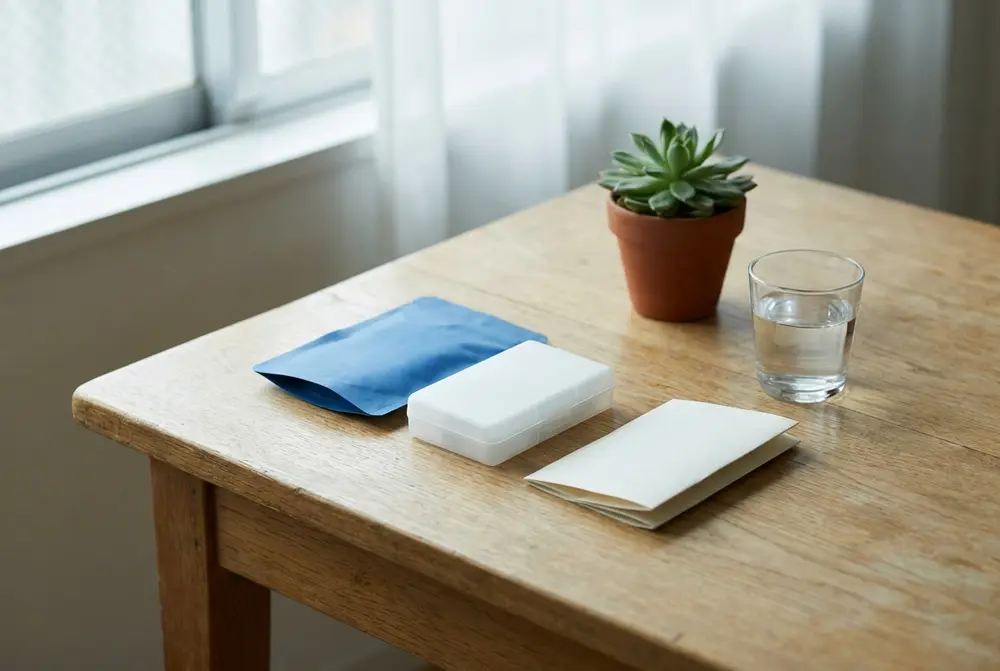
Free take-home naloxone kits are available at most Ontario pharmacies and can reverse an opioid overdose.
Signs and symptoms of heroin addiction
Heroin rarely announces itself. Families often sense that something is wrong long before they can name it. The signs fall into a few groups, and seeing several of them together matters more than any single one.
| Physical signs | Behavioural signs | Signs on the body or at home |
|---|---|---|
| Pinpoint pupils, drowsy nodding, slurred speech | Secrecy, lying about whereabouts, new money problems | Needles, burnt spoons, small baggies, foil |
| Sudden weight loss and poor appetite | Pulling away from family and old friends | Track marks, bruising, or long sleeves in warm weather |
| Frequent flu-like sickness between doses | Losing interest in work, school, or hobbies | Missing valuables or unexplained borrowing |
| Constipation, nausea, itchy skin | Mood swings between calm and agitated | Slipping personal hygiene and appearance |
If you are reading this list and recognizing your own life rather than someone else’s, that recognition is worth something. It is the first honest step, and it is the one that most people say was the hardest. A private addiction assessment can turn a worry into a plan without any commitment on the spot.
Heroin overdose: what it looks like and what to do
An opioid overdose is a breathing emergency. When too much heroin, or the fentanyl hiding in it, hits the system, breathing slows and then stops, and the brain is starved of oxygen. Minutes matter. The three signs to burn into memory are these: the person will not wake up, their breathing is slow or has stopped, and their pupils are tiny. Skin may turn grey, blue, or very pale, and lips or fingertips can go blue. You might hear gurgling or a snore-like choking sound.
If you see this, act. Call 911, give naloxone if you have it, and start rescue breaths or chest compressions if the person is not breathing. Naloxone can reverse an opioid overdose within minutes, and because street opioids are so strong now, a second dose is often needed. In Ontario you can pick up a free take-home naloxone kit at most pharmacies without a prescription or a health card. If you or anyone close to you uses opioids, get a kit and keep it nearby. Our article asking whether naloxone really is a wonder drug explains how it works and its limits.
Canada’s Good Samaritan Drug Overdose Act gives some legal protection to people who call 911 for an overdose, so fear of the police should never stop anyone from making that call.
The heroin withdrawal timeline
Withdrawal is the body relearning how to run without the drug. It is miserable, and the fear of it keeps many people using far longer than they want to. Knowing what is coming, and knowing it ends, helps. Heroin is short acting, so symptoms tend to start sooner than with longer-acting opioids, often within half a day of the last dose.
| Stage | Timing | What it feels like |
|---|---|---|
| Early withdrawal | 6 to 12 hours after last dose | Anxiety, muscle aches, yawning, runny nose, sweating, watery eyes, cravings |
| Peak | 24 to 72 hours | Nausea, vomiting, diarrhea, stomach cramps, chills and goosebumps, insomnia, restless legs, racing heart |
| Easing | Days 4 to 7 | Physical symptoms fade, appetite returns, energy still low, mood fragile |
| Post-acute (PAWS) | Weeks to months | Low mood, poor sleep, on-and-off cravings, trouble feeling pleasure |
The first three days are the hardest
Most people describe the worst of it as a brutal flu crossed with deep dread. The stomach turns, the legs will not stay still, and sleep is nearly impossible. This is when the pull to use again is strongest, because a single dose makes it all stop instantly. That is exactly why doing this alone so often fails, and why medical detox exists.
Why the crash keeps going after the body feels better
Once the acute storm passes, a quieter phase can linger. Post-acute withdrawal, sometimes shortened to PAWS, brings waves of low mood, patchy sleep, and cravings that arrive out of nowhere. It is not a sign of failure or weakness. It is the brain’s reward system slowly rebuilding, and it is the stretch where good aftercare and support make the biggest difference.
Is heroin withdrawal dangerous?
On its own, heroin withdrawal is not usually deadly the way alcohol or benzodiazepine withdrawal can be. The real dangers are indirect and serious. Heavy vomiting and diarrhea can cause dehydration and dangerous shifts in body salts. People with heart or lung conditions can be pushed hard by the stress on the body. And the biggest risk of all comes after detox, not during it.
When someone stops using, their tolerance drops within days. If they relapse and take the amount they used before, that dose can now be fatal, because their body can no longer handle it. This is why so many overdose deaths happen soon after a period of abstinence, including after leaving jail or a detox program. It is also the strongest argument for pairing detox with ongoing treatment and, for many people, medication.
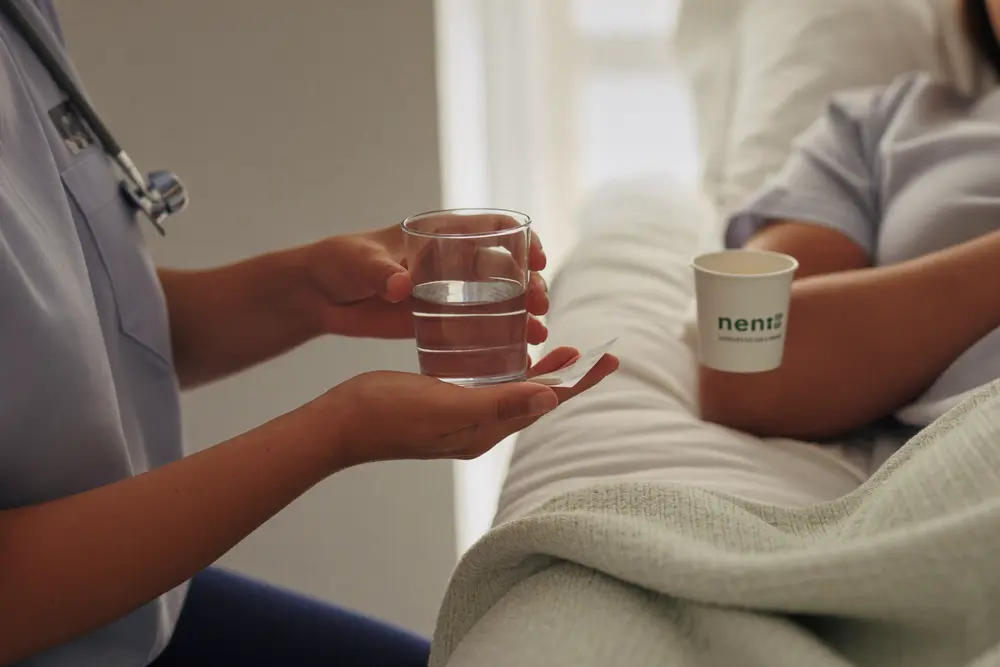
Medically supervised detox keeps people safe and comfortable through heroin withdrawal.
Heroin detox: what to expect
Detox is the medically supported process of clearing heroin from the body while keeping the person as safe and comfortable as possible. It is the doorway to treatment, not the whole house. On its own, detox rarely produces lasting recovery, but it makes everything that follows possible. If the whole idea is new to you, our plain-language explainer on what addiction detox is is a good starting point.
In a medically supervised detox, a team monitors vital signs around the clock and treats symptoms as they come. Anti-nausea medication settles the stomach, other medicines ease cramps, sweating, and anxiety, and fluids prevent dehydration. Most importantly, doctors can start opioid agonist medication that removes most of the withdrawal in the first place. Trying to white-knuckle it at home is possible for some, but it carries a high relapse rate and, given the toxic supply, a real risk to life. If you are weighing options, our overview of drug detox programs covers the settings available in Canada.
Medications that treat heroin addiction
Medication is the part of opioid treatment that carries the strongest evidence, and it is often the difference between a revolving door and a stable life. These medicines are not swapping one addiction for another, a myth that has kept too many people away from care. They stabilize brain chemistry so a person can work, parent, and rebuild without the daily hunt for a dose. Treatment that combines medication with counselling is called medication-assisted treatment.
| Medication | How it works | Good to know |
|---|---|---|
| Buprenorphine-naloxone (Suboxone) | A partial opioid that calms cravings and withdrawal with a built-in ceiling on its effect | First-line in Canada, lower overdose risk, can be prescribed in the community |
| Methadone | A long-acting full opioid that holds withdrawal off for a full day | Taken daily under supervision, useful when buprenorphine is not enough |
| Slow-release oral morphine | Another daily option for people who do not do well on the first two | Prescribed by specialists in specific cases |
| Naltrexone | Blocks opioids entirely so using produces no effect | Only started after full detox, suits people who are already opioid-free |
Buprenorphine-naloxone has been shown to cut the death rate from opioid use disorder by roughly half when people stay on it. If you want a fuller look at the most common option, we have a dedicated guide to how Suboxone helps Canadians recover, along with an explainer on methadone and how it fits into treatment.
Treatment after detox: choosing the right level of care
Getting through withdrawal is a start, but the addiction lives in habits, relationships, trauma, and brain wiring that take longer to heal. This is where a treatment program comes in. The right intensity depends on how severe the use is, whether there are other health or mental health issues, and what someone’s home life looks like.
| Level of care | Best for | What it involves |
|---|---|---|
| Medical detox | The first days off heroin | 24/7 monitoring, symptom relief, start of medication |
| Inpatient / residential | Severe addiction, unstable home, past relapses | Living at a centre for 30 to 90 days with full daily programming |
| Outpatient | Milder cases, strong support at home, work or family duties | Regular sessions while living at home, often paired with medication |
| Dual diagnosis | Addiction plus depression, anxiety, PTSD, or another condition | Treats the mental health condition and the addiction together |
Inpatient and residential rehab
Living at a treatment centre pulls someone out of the environment where using became automatic. Days are structured around counselling, group work, medical care, and rest. For anyone whose home is full of triggers, or who has tried and relapsed before, a stay at a residential rehab in Canada gives the space to actually change. If you are unsure whether residential or day treatment fits, our comparison of inpatient versus outpatient programs breaks down the trade-offs.
Outpatient programs
Not everyone can step away from a job or their kids for a month, and not everyone needs to. Outpatient rehab lets people keep their footing at home while attending regular treatment, which works well when the addiction is caught earlier or when it follows a residential stay as a step down.
Treating what sits underneath
Heroin use rarely grows in a vacuum. Depression, anxiety, and trauma often ride alongside it, each feeding the other. Programs built for dual diagnosis treatment address both at once, which is usually the only approach that holds up over time. Family sessions matter too, since addiction wounds everyone in the house, and family therapy helps rebuild the trust that using eroded.
Paying for heroin treatment in Canada
Cost is one of the first worries families raise, and the picture is more hopeful than most people expect. Publicly funded detox and treatment beds exist across the provinces, and opioid agonist medication like buprenorphine and methadone is covered through public drug programs for eligible residents, including Ontario’s plan. Waitlists for public residential beds can be long, which is where private and non-profit centres come in for those who can access them. Our breakdown of how much drug rehab costs walks through the real ranges so you can plan without guessing.
While you wait for a spot, you do not have to sit idle. Starting medication through a community prescriber protects against overdose right away, and harm reduction supplies keep a person safer in the meantime.

Counselling and medication together give the strongest results in heroin addiction treatment.
How to get help in Ontario and across Canada
The hardest part is often just the first phone call, so here are the concrete doors you can walk through.
Rapid Access Addiction Medicine clinics. RAAM clinics are walk-in, no appointment and no referral needed. A person can arrive in withdrawal and leave the same day with a prescription for buprenorphine or methadone, brief counselling, and a referral onward. For urgent opioid situations they are one of the fastest routes to safety, and you can learn how they work on our RAAM clinic page.
Rehabs near you. If you are in the Greater Toronto Area, our directory of Toronto rehab centres and the wider list of Ontario rehabs can point you to programs that treat opioid addiction. For everywhere else, start with drug rehabilitation options across Canada.
Talk to someone now. You do not need to have it all figured out before you reach out. A confidential conversation can sort the options and take some weight off your shoulders. Call our drug and alcohol helpline or contact an addiction specialist to talk through the next step for you or your loved one.
Staying well after treatment
Recovery is not a single event, it is a long series of ordinary days that add up. The months after formal treatment are when the real life gets rebuilt, and they go far better with a plan and a few people in your corner. Ongoing aftercare support keeps someone connected to counselling and medication so small stumbles do not turn into full relapses.
A written relapse prevention plan that names personal triggers and lists exactly what to do when a craving hits is one of the most practical tools in recovery. Peer support helps too, whether that is a traditional drug support group or a science-based option like SMART Recovery. Different rooms suit different people, and the point is simply to not do it alone.
Frequently asked questions
How long does heroin withdrawal last?
Acute heroin withdrawal usually runs about 5 to 10 days. Symptoms begin 6 to 12 hours after the last dose, peak between 24 and 72 hours, then fade over the following days. Milder post-acute symptoms like poor sleep and low mood can come and go for weeks or months afterward.
Is heroin withdrawal deadly?
Heroin withdrawal on its own is rarely fatal, unlike alcohol or benzodiazepine withdrawal. The dangers are dehydration from vomiting and diarrhea, strain on existing heart or lung conditions, and the high risk of a fatal overdose if someone relapses after their tolerance has dropped. Medical support manages all three.
What is the fastest way to stop heroin safely?
The safest and most effective route is a medically supervised detox followed by opioid agonist medication such as buprenorphine or methadone. In Ontario, a RAAM clinic can often start that medication the same day, without an appointment.
Can you detox from heroin at home?
Some people do, but it carries a high relapse rate and, with today’s fentanyl-tainted supply, a real risk to life if they use again. Home detox is safest when a doctor guides it and prescribes medication. Speaking with a clinician first is strongly advised.
What medications help with heroin addiction?
Buprenorphine-naloxone (Suboxone) and methadone are the main treatments and both are covered by public drug programs in Canada. Slow-release oral morphine and naltrexone are used in specific cases. These medications reduce cravings, ease withdrawal, and lower the risk of overdose death.
Does taking Suboxone or methadone just replace one addiction with another?
No. These medications stabilize brain chemistry at a steady dose without the highs, lows, and daily chaos of heroin use. People on them can work, drive, and care for their families. Research shows they cut the death rate from opioid use disorder by about half.
How can I tell if the heroin contains fentanyl?
You usually cannot tell by look, taste, or smell. Most street heroin in Canada now contains fentanyl or its analogues. Fentanyl test strips can detect it in a sample, and drug checking services are available in many cities. Assume any street opioid may contain fentanyl and carry naloxone.
What should I do if someone overdoses on heroin?
Call 911 right away, give naloxone if you have it, and begin rescue breaths or chest compressions if they are not breathing. Stay until help arrives. Because street opioids are so potent, be ready to give a second dose of naloxone after a few minutes if there is no response.
How much does heroin rehab cost in Canada?
Publicly funded detox and treatment are available at no direct cost, though waitlists can be long. Opioid medication is covered for eligible residents. Private residential programs vary widely in price. A quick call to a treatment advisor can match you to options that fit your situation and budget.
How long does heroin stay in your system?
Heroin itself clears quickly, often within a day, but its metabolites can be detected in urine for 2 to 4 days and longer with heavy use. Detection windows vary by the type of test and the person. Withdrawal timing depends on the drug leaving the brain, not on test results.
What is post-acute withdrawal syndrome (PAWS)?
PAWS refers to lingering symptoms after the acute phase ends, including low mood, disrupted sleep, irritability, and cravings that surface without warning. It reflects the brain’s reward system slowly recovering and can last weeks to months. Steady support and medication ease it considerably.
Can heroin addiction be cured?
Addiction is a chronic condition rather than something cured once and forgotten, but it is very treatable and people reach lasting, stable recovery every day. With medication, counselling, and support, most people can stop using and rebuild a full life. Ongoing care keeps recovery strong.
Is heroin addiction treatment confidential?
Yes. Medical treatment for addiction in Canada is protected by the same privacy rules as any other health care. Your information is not shared without your consent except in narrow safety situations. You can ask any program about its privacy practices before you begin.
What happens at a RAAM clinic?
You walk in without an appointment or referral, meet a clinician, and can leave the same day with a prescription for buprenorphine or methadone, brief counselling, and a referral to longer-term treatment. RAAM clinics are designed for urgent, barrier-free access to opioid care.
How do I help a loved one who uses heroin?
Learn the overdose signs, keep naloxone on hand, and speak from concern rather than blame. Offer to help them make a call or get to a RAAM clinic or assessment. Set kind but firm boundaries, look after your own wellbeing, and consider family counselling. A helpline can coach you through it.
You do not have to do this alone
Heroin narrows a life, but the narrowing can be reversed. Every day, people move from a street supply that could kill them to a steady dose of medication, a counsellor who knows their name, and mornings that feel like their own again. The first step is smaller than it seems. It is a phone call, an assessment, a walk into a clinic. If you are ready to take it, our team can help you find the right heroin addiction treatment in Canada, or you can reach out for confidential help right now.
This article is for general information and is not a substitute for medical advice. If you or someone you love is struggling with heroin or another opioid, please speak with a qualified healthcare provider or contact a treatment centre for a personal assessment.