NADACA's Eagles' Nest Recovery House: Mi'kmaw Residential Addiction Treatment in Sipekne'katik, NS
The Native Alcohol and Drug Abuse Counselling Association of Nova Scotia (NADACA) has provided addiction services in Mi'kmaw First Nations communities since 1971. It runs two in-patient treatment centres: Eagles' Nest Recovery House in Sipekne'katik (Indian Brook), near Shubenacadie, and Mi'kmaw Lodge Treatment Centre in Eskasoni, Cape Breton. This page covers Eagles' Nest, the centre at 44 Eagles Nest Avenue.
NADACA's programs deal with alcohol, illicit drugs, prescription drugs and solvents. The association describes its treatment model as strength-based and rooted in traditional Indigenous values, with respect for each person's beliefs, culture, language and spirituality. Its programs are delivered by certified addictions counsellors, and the Eagle's Nest treatment program is listed as accredited by the Canadian Accreditation Council of Human Services.
A Mi'kmaw treatment house in Sipekne'katik
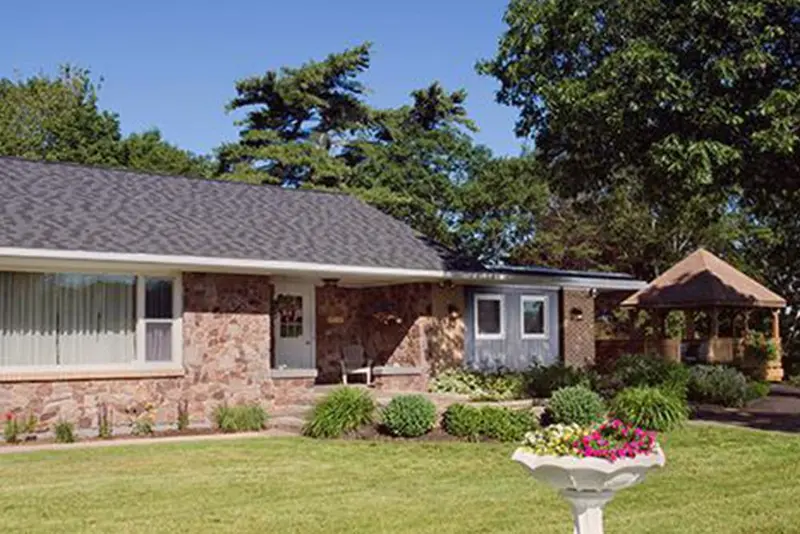
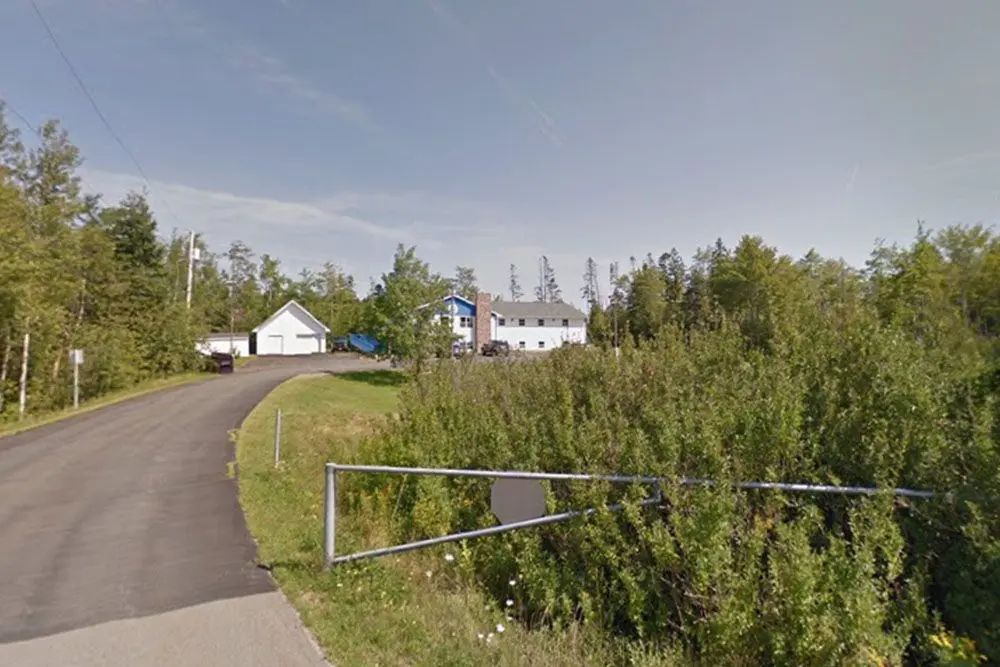
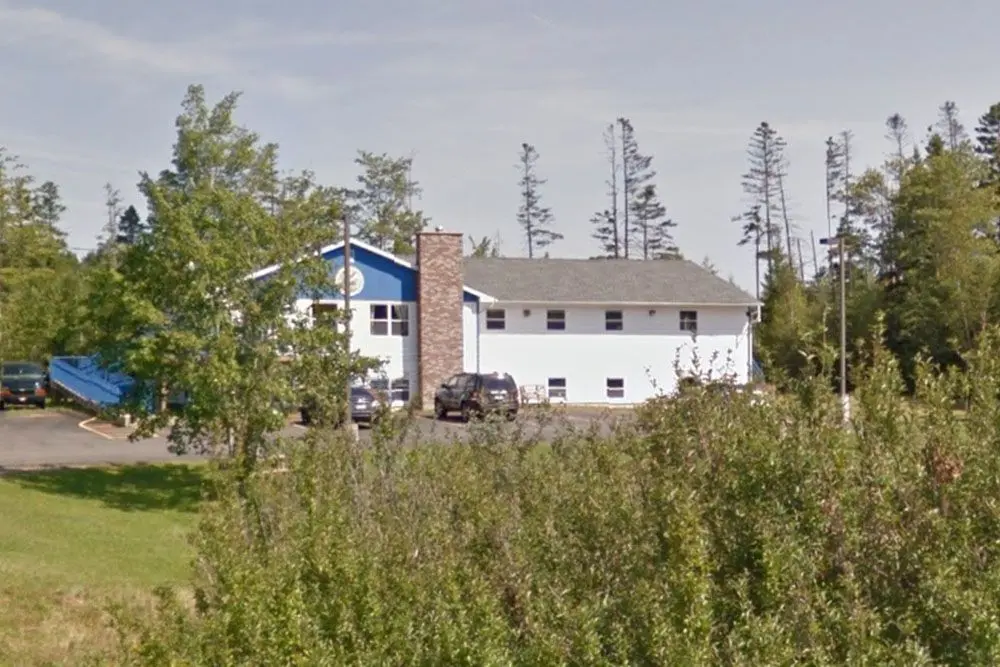
Eagles' Nest Recovery House sits on Eagles Nest Avenue in Sipekne'katik First Nation, also known as Indian Brook, just outside Shubenacadie. It is one of NADACA's two in-patient centres, alongside Mi'kmaw Lodge in Eskasoni. Clients live on site for the length of a treatment cycle. NADACA's FAQ says pets are not allowed and that visits were suspended during COVID-19, so ask about the current visiting rules when you apply.
Strength-based care built on culture
NADACA describes its approach as strength-based and grounded in traditional Indigenous values, with respect for culture, language and spirituality. Its programs cover alcohol, illicit and prescription drugs and solvents, and they address the physical, spiritual, emotional and social harms that substance use causes. The association's website highlights the Seven Sacred Teachings of love, respect, courage, honesty, wisdom, humility and truth, and it also runs a virtual wellness program for people who cannot attend in person.
Eagles' Nest Recovery House: Program Overview
Eagles' Nest takes clients in cycles. Intake happens once per cycle, so you cannot join partway through, and NADACA says applications are generally handled first come, first served. Every application is screened, and the referring worker hears during intake week whether the client was accepted. You can apply as often as you need to, but you cannot go through treatment back to back.
Self-referrals are accepted as long as you give a phone number or email address where staff can reach you. Many people apply through the NADACA prevention counsellor or addictions worker in their own community, who can help with the forms, a medical form from a doctor and the substance use screening questionnaire.
What's included in your stay
11 services · as described on NADACA's website and in the NS Health directoryDetox is not required before admission, but NADACA says it helps and suggests being clean and sober for at least four days before you arrive. People taking Suboxone or methadone are not accepted into the in-patient programs; NADACA points them to its outpatient day programs, when they are running, and its virtual wellness program instead.
People on probation, or who have been through a sentencing circle, are screened case by case. NADACA says serious charges such as violent offences, weapons charges or sexual assault lead to being screened out, while minor addiction-related offences may be considered when there is ongoing legal support. Couples are not admitted together; one partner is referred to another centre.
Getting into Eagles' Nest
The steps NADACA describes in its FAQCall the centre or your community's NADACA prevention counsellor, or refer yourself.
Intake forms, a medical form, the DUSI questionnaire and a treatment agreement.
Each application is reviewed and you hear back during intake week.
Arrive with your status and medical numbers and begin with the new group.
Follow-up in your community, with help finding housing and support groups.