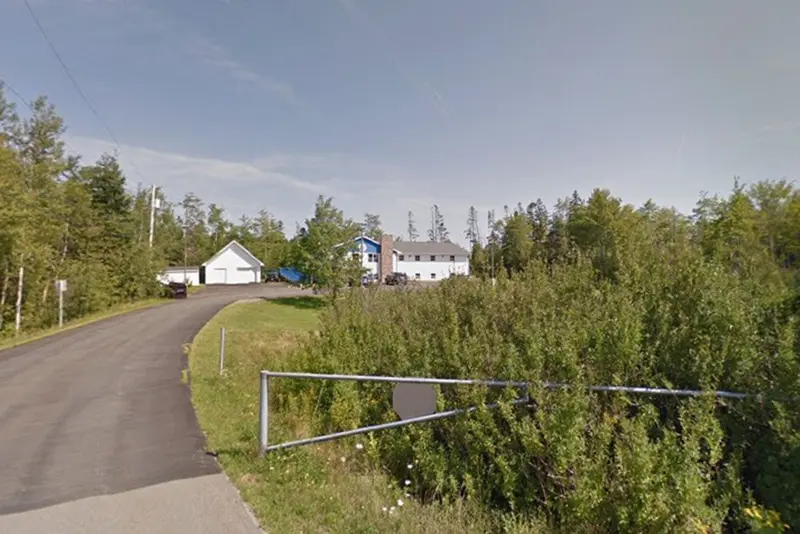
Freedom Foundation of Nova Scotia: Recovery Home for Men in Dartmouth
Freedom Foundation of Nova Scotia is a not-for-profit recovery home for men in Dartmouth. A group of concerned men and women set it up in 1988, and in 1989 it opened a transition home for recovering alcoholic men aged 19 and older. Its mandate has since grown to include men dealing with drugs and gambling, and staff often see residents with more than one addiction.
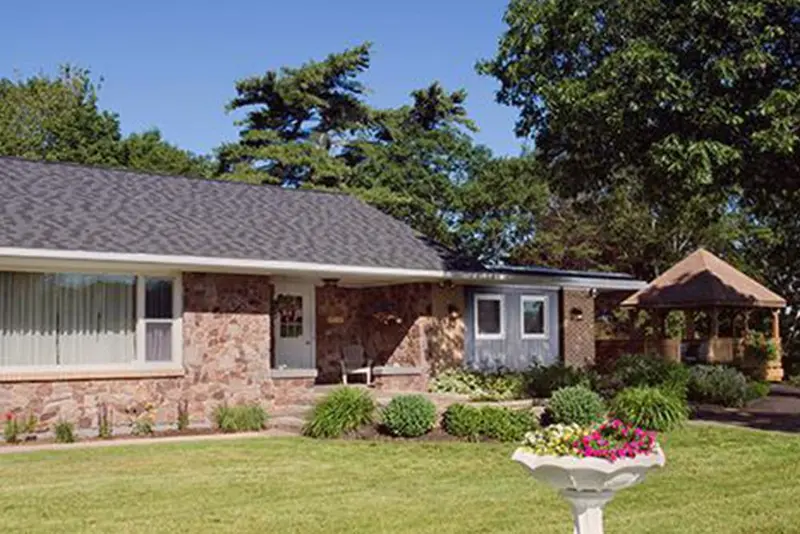
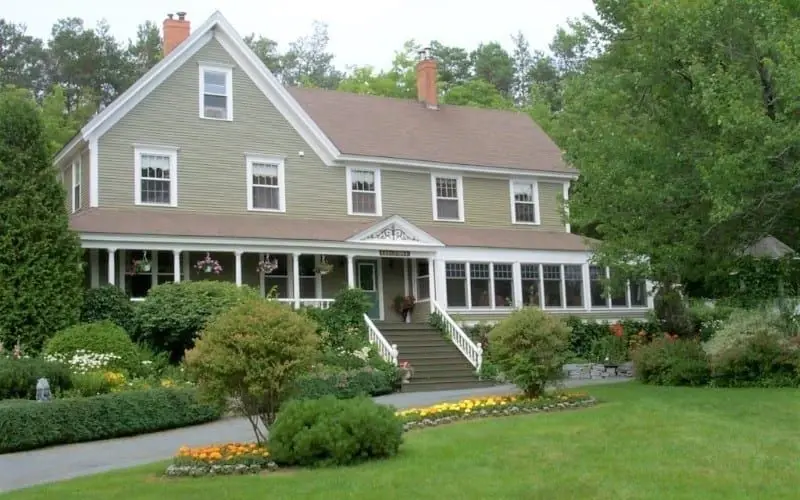
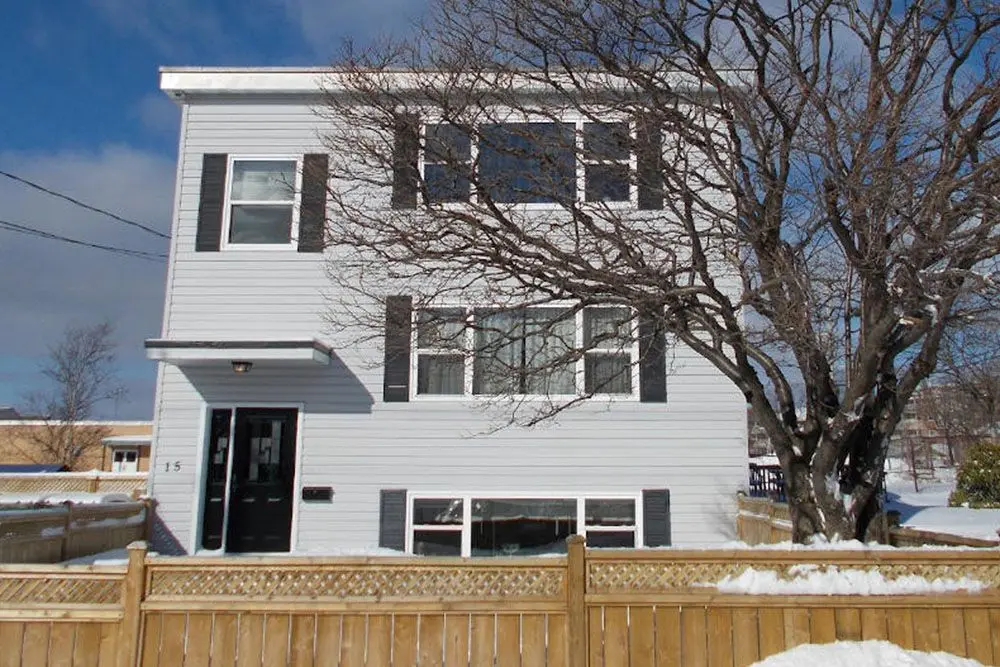
Residents live in the house at 15 Brule Street and move through a phased program built around the 12 steps, regular meetings with a caseworker, life skills and outside recovery programs. A typical stay is six to eighteen months. Men who graduate, have a job and have a year clean and sober can move into the foundation's three-quarter house across the street for longer-term independent living.
Four phases, from first weeks to independent living
Phase 1 is the introduction and lasts at least two weeks. New residents get help with proper clothing and identification, meet the house doctor and dentist, register with Addiction Services and see their caseworker twice a week to set short-term goals. Phase 2, the treatment phase, usually lasts six weeks to six months and centres on the 12 steps, a home group, a sponsor and outside recovery programs. Phase 3 is the transition phase, with work on GED studies, resumés, job searching, budgeting and finding a place to live. Phase 4 is independent living in the three-quarter house.
For men ready to commit to a long stay
The foundation says it may be the right choice for men aged 19 or older who have at least seven days of sobriety and are willing to commit long term. It helps men recovering from alcohol, gambling, cocaine and crack, opiates, hallucinogens, cannabis and prescription drugs. Life in the house is structured, with curfews that loosen as residents move through the phases and weekend passes that open up in the later phases. Every resident attends 12-step self-help meetings each week.
More than a thousand men housed since 1989
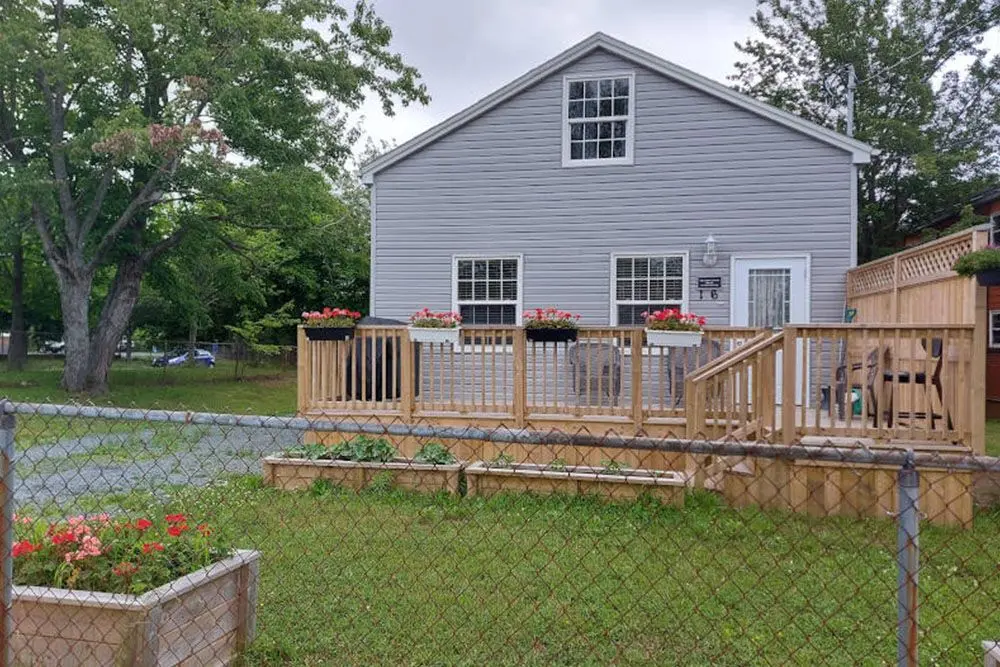
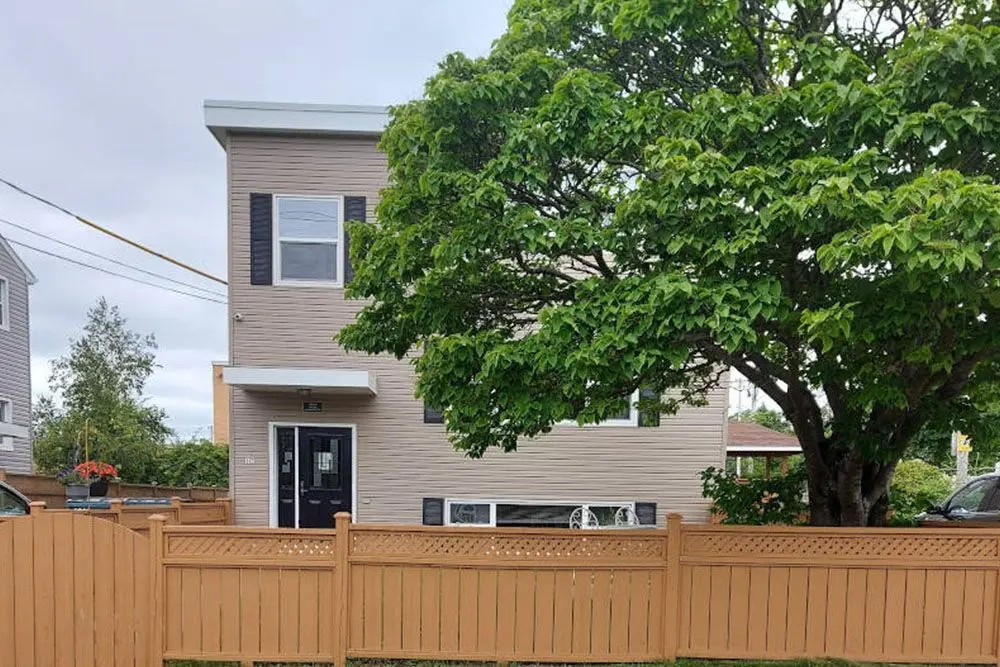
Freedom Foundation says it has housed more than 1,040 men since it opened, and that more than a quarter of residents have completed all three main phases of the program. In 2017 it bought and renovated a three-quarter house at 16 Brule Street, which holds three residents, mostly graduates of 15 Brule, for an average stay of one to two years. To move in, a resident needs to be employed and have one year clean and sober. The charity relies on donations and an annual golf tournament.
Freedom Foundation of Nova Scotia: Centre Overview
Freedom Foundation is a recovery residence rather than a clinical treatment centre. Residents learn basic living skills, attend recovery programs in the community and go to 12-step meetings, with a caseworker guiding their goals. Medical care comes through the house doctor and dentist and through Nova Scotia's addiction services, which new residents register with in their first phase.
The foundation's stated mission is to provide services that foster recovery from addiction and help men build a positive self-image and sense of self-worth in a secure and caring environment.
What's included in your stay
10 services · as described on the foundation's websiteThe foundation does not publish fees or a formal referral process on its website. The best first step is to call 902-466-0299 or email info@freedomfoundation.ca to ask about an opening and what you need to move in.
How the program unfolds
The four phases Freedom Foundation describes on its websiteCall or email the foundation once you have at least seven days sober.
At least two weeks: ID, clothing, doctor and dentist, caseworker twice weekly.
Six weeks to six months of 12-step work, a home group and a sponsor.
GED study, resumés, job searching, budgeting and housing plans.
One to two years in the three-quarter house for working graduates.