Direction 180: Community Opioid Treatment in Halifax, Nova Scotia
Direction 180 is a non-profit, community-based opioid treatment program in Halifax's North End, run since 2001 as a program of the Mi'kmaw Native Friendship Centre. It was the first low-threshold, community-based opioid treatment program in Atlantic Canada, and it now delivers the Opioid Recovery Program in partnership with Nova Scotia Health.
The clinic prescribes opioid agonist treatment, including methadone, Suboxone, Sublocade and Kadian, and adds medical monitoring, testing and treatment for blood-borne infections, vaccines, counselling, peer support and referrals. It works with people whether they choose abstinence or harm reduction. To get started, call Nova Scotia Health's Mental Health and Addictions Intake Service at 1-855-922-1122 or ask a health care provider or community agency to refer you.
Opioid agonist treatment with a choice of medication
Before starting, you meet the intake coordinator and a physician for an admission assessment, and together you choose the treatment that fits. Direction 180 offers methadone, buprenorphine/naloxone (Suboxone), including starts by microdosing, long-acting injectable buprenorphine (Sublocade), given once a month, and slow-release oral morphine (Kadian). All clients pick up their OAT medication at a community pharmacy of their choice. The clinic can also take over treatment for people moving to Halifax and, with notice, write temporary Nova Scotia prescriptions for visitors, since out-of-province prescriptions are not valid at Nova Scotia pharmacies.
Health care and support beyond the prescription
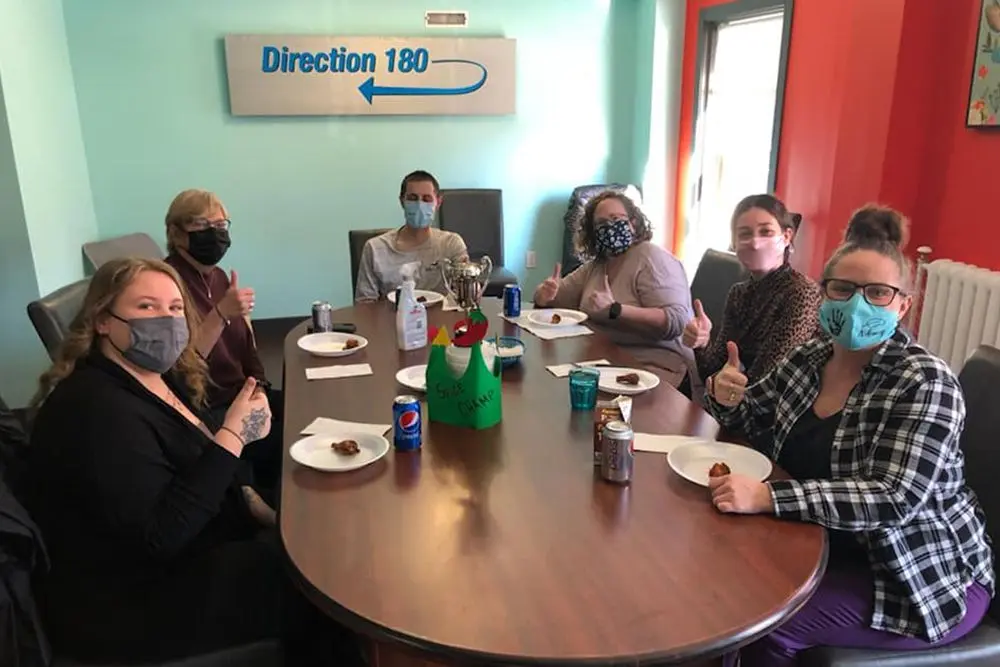
Direction 180 was designed around the social determinants of health, such as housing, mental health, income, social support and education. Alongside OAT, clients can get testing for HIV, hepatitis C and syphilis, hepatitis C treatment, wound care, hepatitis A and B shots, flu vaccines and EKGs. Case managers, nurses and peer support workers run self-care and wellness groups, men's and women's groups, recreational activities and skill-building programs, and they help with advocacy and referrals to other health and social services. With a client's signed consent, case managers can bring family and friends into the treatment plan.
ReFix, Atlantic Canada's first overdose prevention site
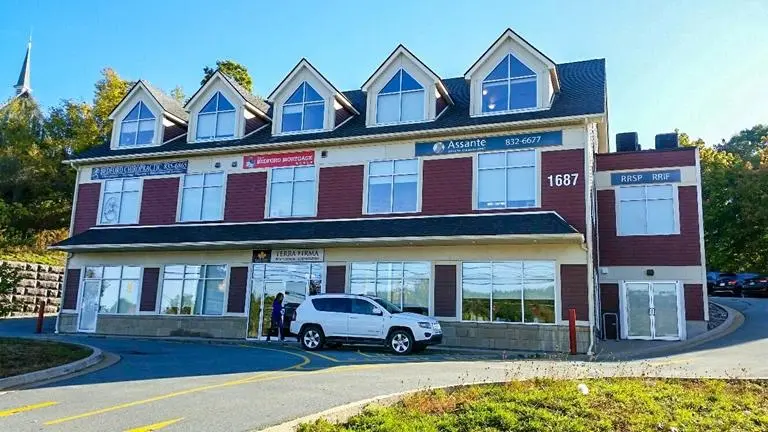
Direction 180 operates ReFix, the first overdose prevention site in Atlantic Canada, under a federal exemption. It is on the lower level of 2151 Gottingen Street, with its entrance on the side of the building on Nora Bernard Street, and it is open Monday to Friday from 8 am to 5 pm. People can use substances there under the supervision of trained staff with lived and living experience. Direction 180 and ReFix both give out take-home naloxone kits, nasal and injectable, and teach people how to respond to an overdose.
Direction 180: Centre Overview
Direction 180's mission is to reduce the risks that come with opioid use disorder, including drug poisoning, blood-borne and vaccine-preventable infections, endocarditis and sexually transmitted infections, as well as social harms such as homelessness and involvement with the justice system. It describes its model as low-threshold harm reduction, which means the door stays open to people who are still using.
The team includes physicians, nurses, social workers, case managers, administrative staff and people with lived and living experience of substance use. Over the years Direction 180 has also run more than 75 research projects, health promotion initiatives and needs assessments aimed at improving outcomes for people who use substances.
What's included in your stay
12 services · as described on the centre's websiteDirection 180 is an outpatient clinic, so clients live at home or in the community and come in for appointments. Nova Scotia Health lists it under its Opioid Recovery Program and notes that Direction 180 itself runs the service, so confirm hours and details with the clinic directly.
Getting started on OAT
The steps Direction 180 and Nova Scotia Health describeNS Health Intake at 1-855-922-1122, or a referral from a doctor or community agency.
Meet the intake coordinator and a physician to review your history.
Methadone, Suboxone, Sublocade or Kadian, decided together.
Your prescription is filled at a community pharmacy you pick.
Regular visits, case management, testing, groups and peer support.