
Bowline Health: virtual recovery coaching from Calgary
Bowline Health is a Calgary company that offers addiction recovery coaching to adults across Alberta. It is not a rehab and does not treat anyone. Coaches help you plan your recovery, keep you accountable and find the services you need, and Bowline's website is clear that they do not diagnose, give medical advice or provide counselling.
Most coaching happens through Bowline's virtual Recovery Coaching Navigation Centre, by phone or online, on weekdays from 8:30 am to 4:30 pm. You can also walk in, with no appointment, at navigation centres in Calgary and Edmonton and a Recovery Support Centre in Red Deer. Much of the work is with people waiting for a recovery community bed or coming home from one.
Coaching, not treatment
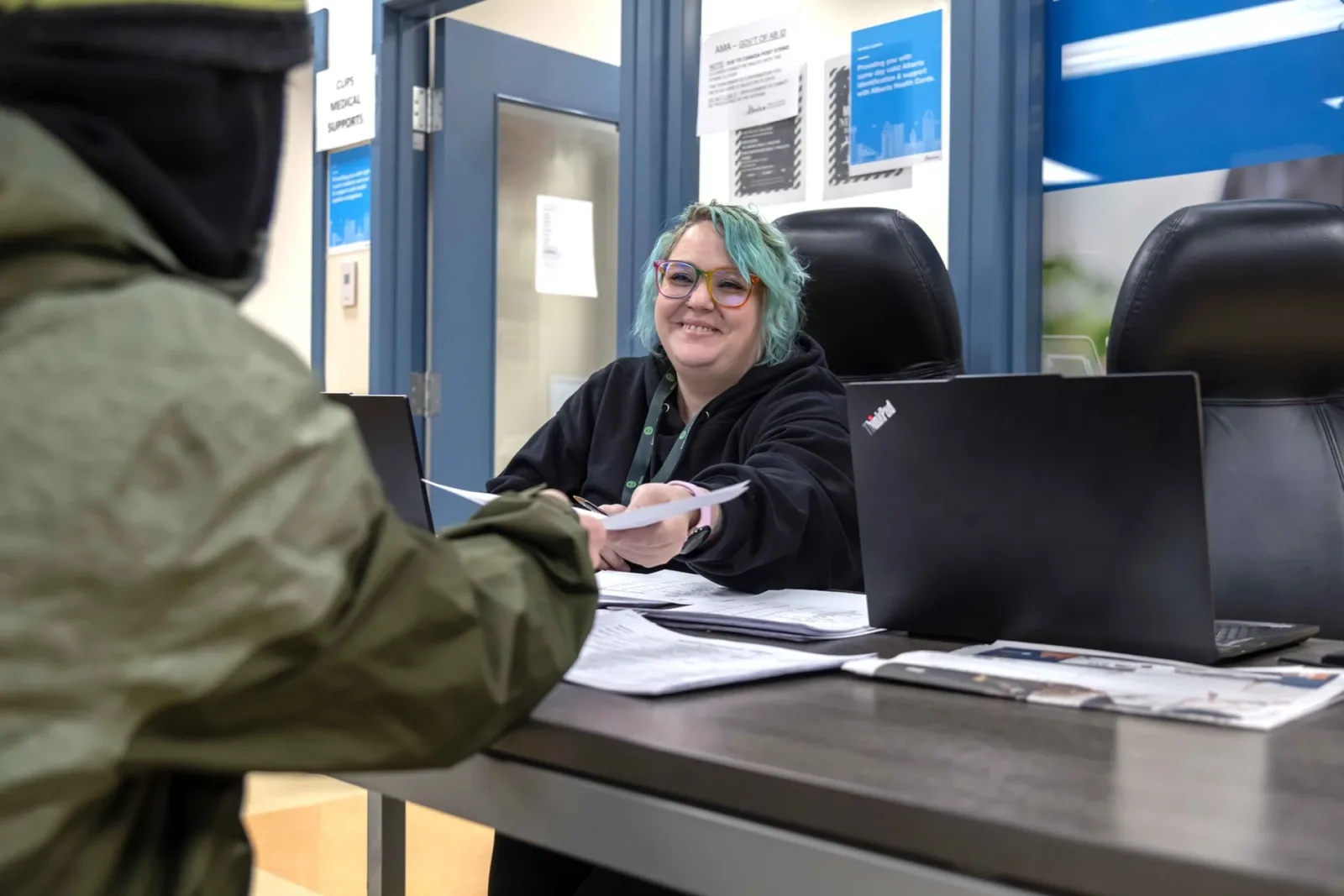
A Bowline coach is closer to a guide than a clinician. You sit down, by phone or in person, and build a recovery wellness plan with short-term and long-term goals. After that the coach checks in, keeps you to what you agreed and adjusts the plan as things change. Methods come from motivational interviewing and cognitive-behavioural work, and progress is measured every 30 days with the Recovery Capital Index. What a coach will not do is just as clear on Bowline's website: no therapy, no medical advice, no diagnosis and no 12-step sponsorship. If you need those, the coach refers you on.
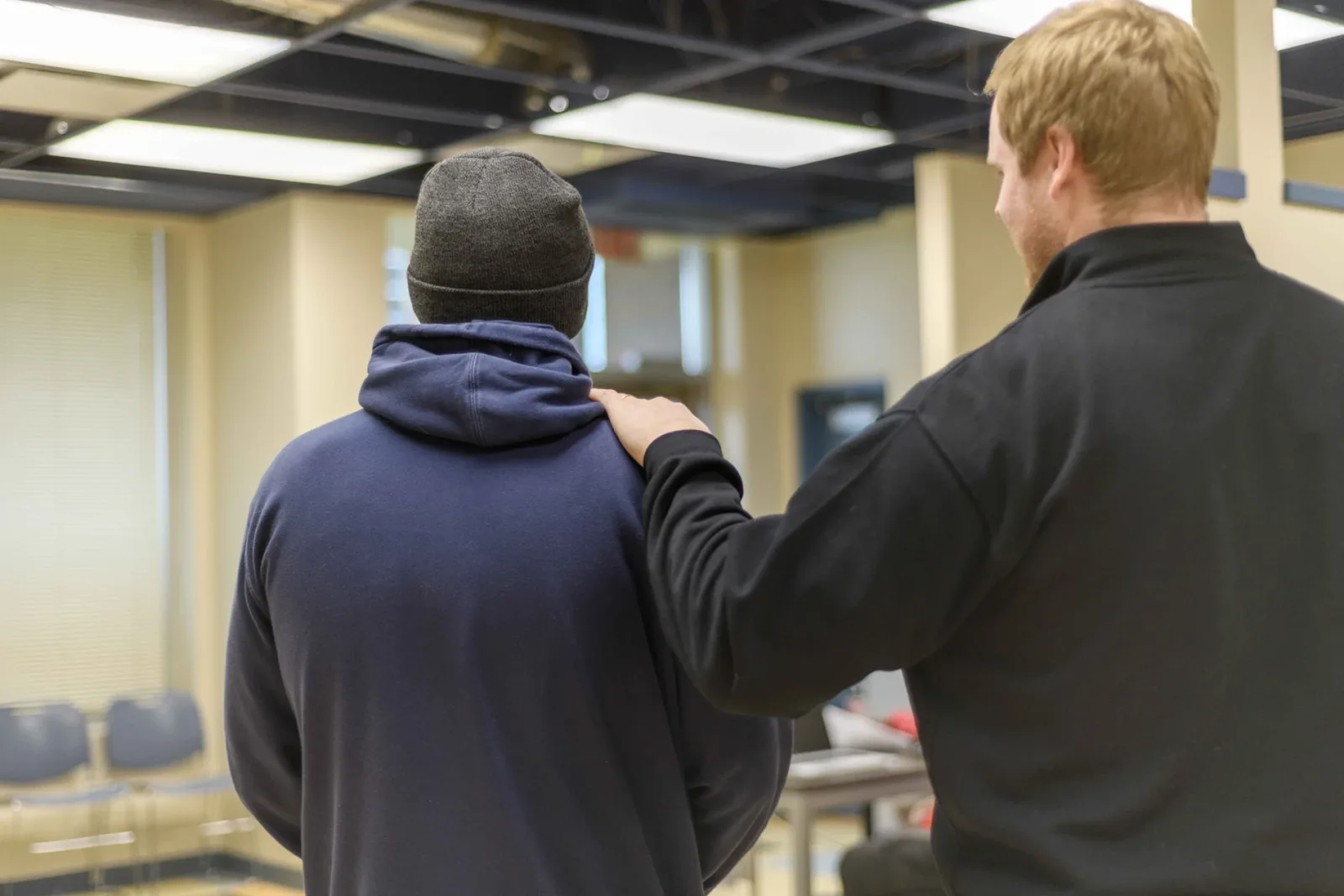
Help while you wait, and when you come home
Waiting for a bed in a recovery community can be the hardest stretch, and Bowline puts a lot of its coaching there. Coaches stay in contact through the wait, work with health providers to move referrals along and help you get into the program once a spot opens. The same coaches pick people up again when they leave residential treatment, with regular check-ins, help finding housing and work, and introductions to support groups in Calgary, Edmonton, Red Deer or back home in a smaller Alberta town.
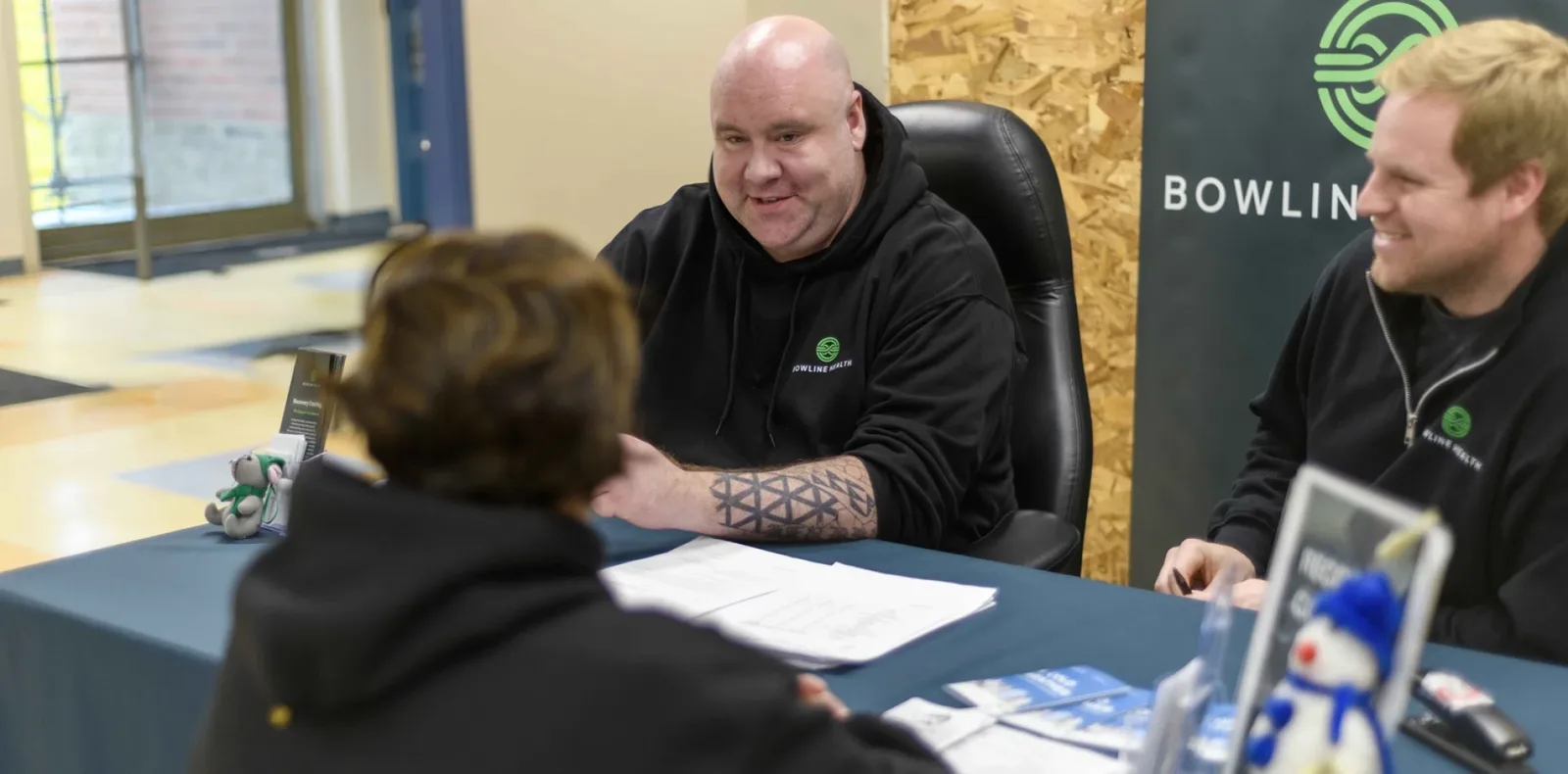
A virtual centre and three walk-in sites
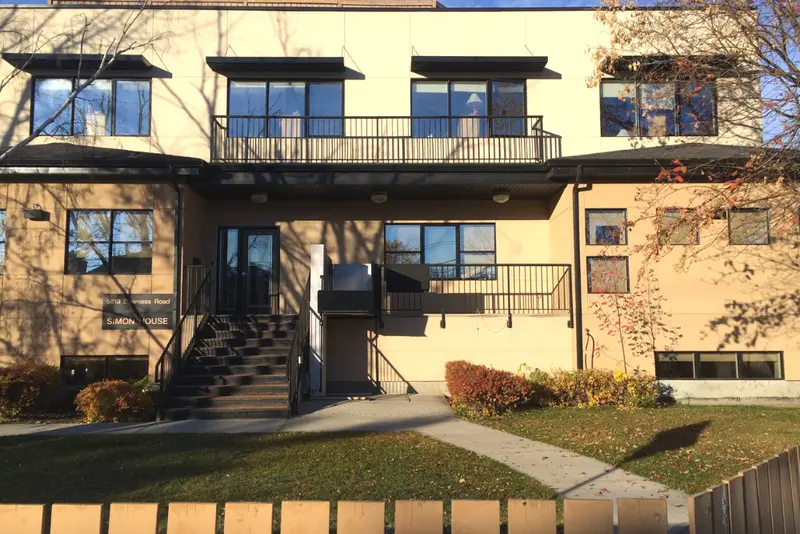
Bowline's virtual Recovery Coaching Navigation Centre runs from Calgary and takes calls and messages from anywhere in Alberta, which matters if you live a long way from a city. For face-to-face help there are walk-in sites at 10530 96 Street in Edmonton, at 420 9th Avenue SE in Calgary's East Village, and at 5239 53 Avenue in Red Deer. None of them needs an appointment, and none of them asks you to be admitted anywhere first.
Bowline Health: how the coaching works
Getting started is simple. You fill in the intake form on bowlinehealth.ca, and Bowline calls you back to match you with a recovery coach who stays your main contact. The form asks whether you live in Alberta, for your health number, whether you are 18 or older and whether you are on a waitlist for treatment or a recovery community. It also asks about medication, opioid agonist treatment and safety, so the coach knows where you are starting from.
From there you can have one-to-one coaching, join group sessions with other people in recovery, or both. Group sessions are run by coaches with lived experience and mix discussion, shared activities and skill-building. Bowline's coaches keep a provincial list of recovery services, from inpatient and outpatient treatment and counsellors to Alberta Health Services primary care, fitness-based recovery programs, and peer, 12-step and land-based groups.
What's included in your stay
10 supports · as described on Bowline Health's websiteBowline's website does not publish fees. Its recovery.com listing describes the service as free, with possible eligibility limits or waits, so ask about cost when Bowline calls you back. Because Bowline is coaching rather than treatment, it does not replace a doctor, counsellor or detox program, and anyone in heavy daily use should talk to a doctor or Recovery Alberta about safe withdrawal first. In an emergency call 911.
How Bowline coaching works
The steps Bowline Health describes on its websiteApply online; Bowline calls you back and assigns a coach.
Your needs, strengths and goals, and a Recovery Capital Index score.
Short and long-term goals you and your coach write together.
One-to-one or group sessions, by phone, online or at a walk-in site.
Support while you wait for treatment and after you leave it.