
Alberta Adolescent Recovery Centre: Long-Term Youth Addiction Treatment in Calgary
The Alberta Adolescent Recovery Centre (AARC) is a long-term treatment program for adolescents suffering from substance dependency. The AARC program is often the last resort for addicted youth (ages 12-21) and their families who have exhausted numerous social agencies and treatment programs, with little to no success. The AARC program is divided into structured stages of treatment that are designed to help clients attain specific milestones in their recovery. As the client progresses through the stages, they are given more responsibilities and are gradually reintegrated back into society. The stages have corresponding AA/NA steps that our clients learn in order to gain daily living coping skills that replace dependence on drugs and/or alcohol. Each client completes the AARC program at their own pace but on average, clients finish the program in 8 to 10 months.
A Day Centre in Southeast Calgary, With Nights in Family Homes
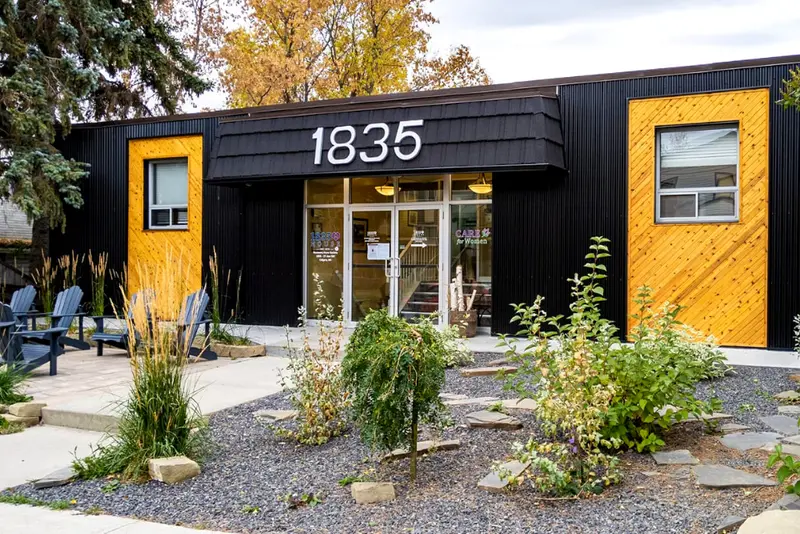
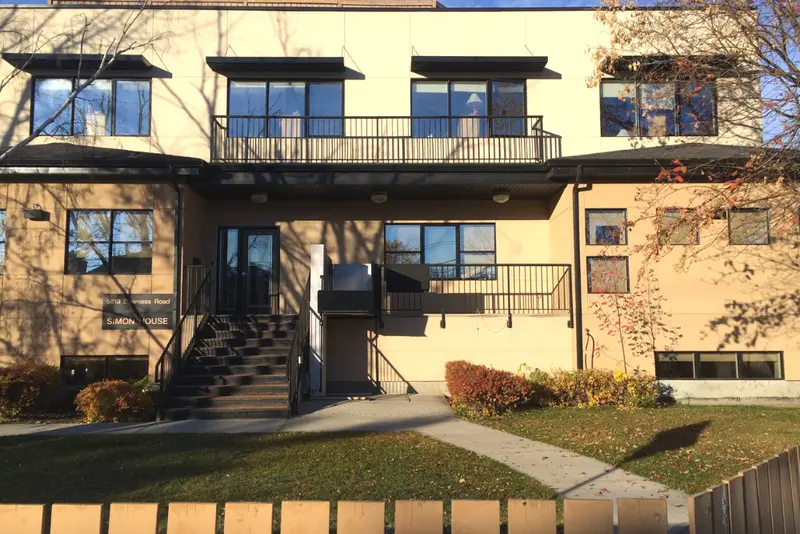
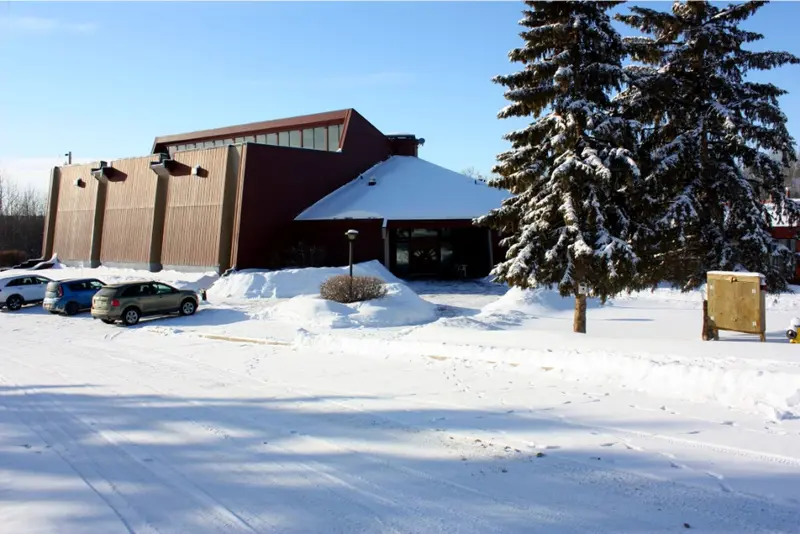
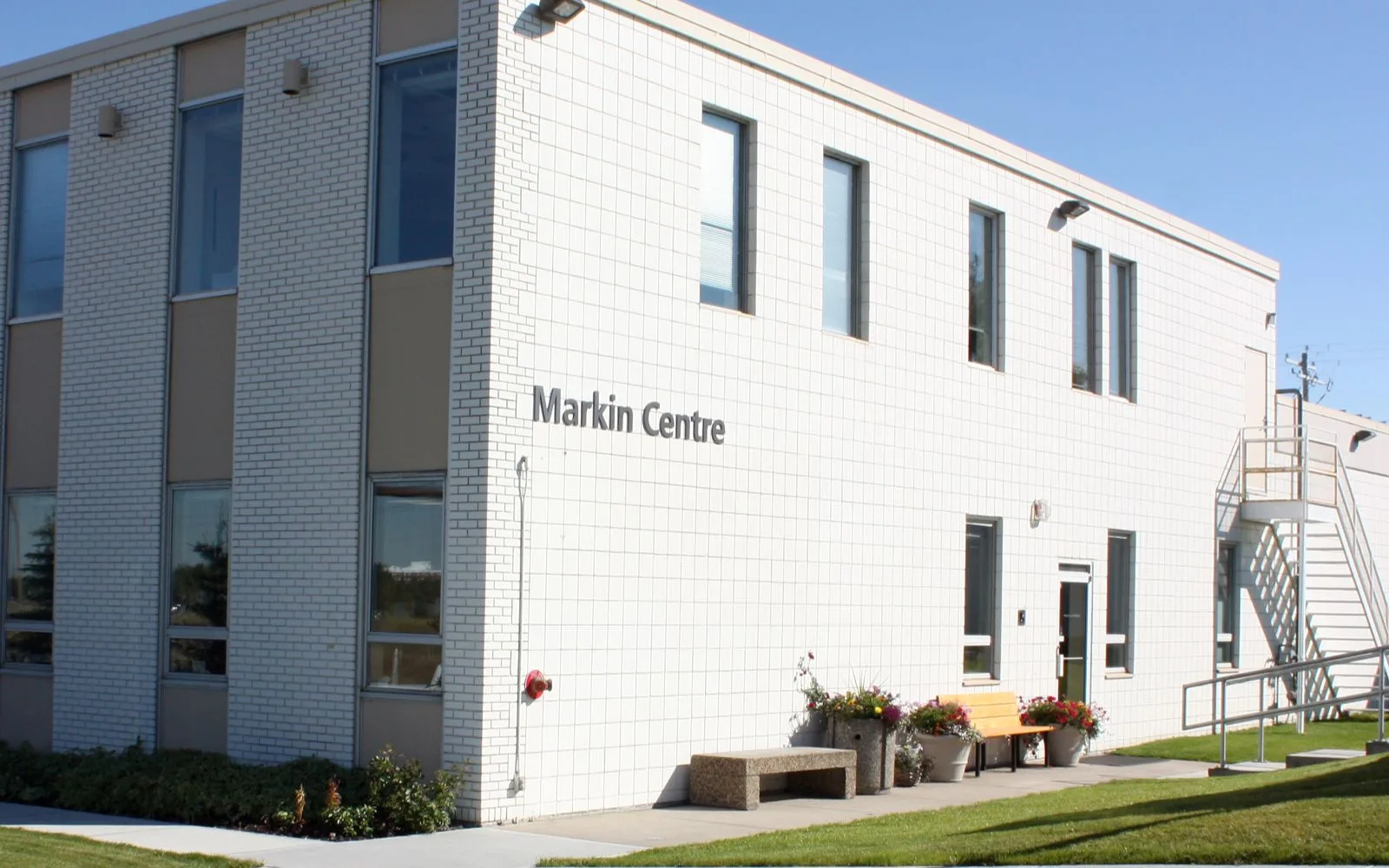
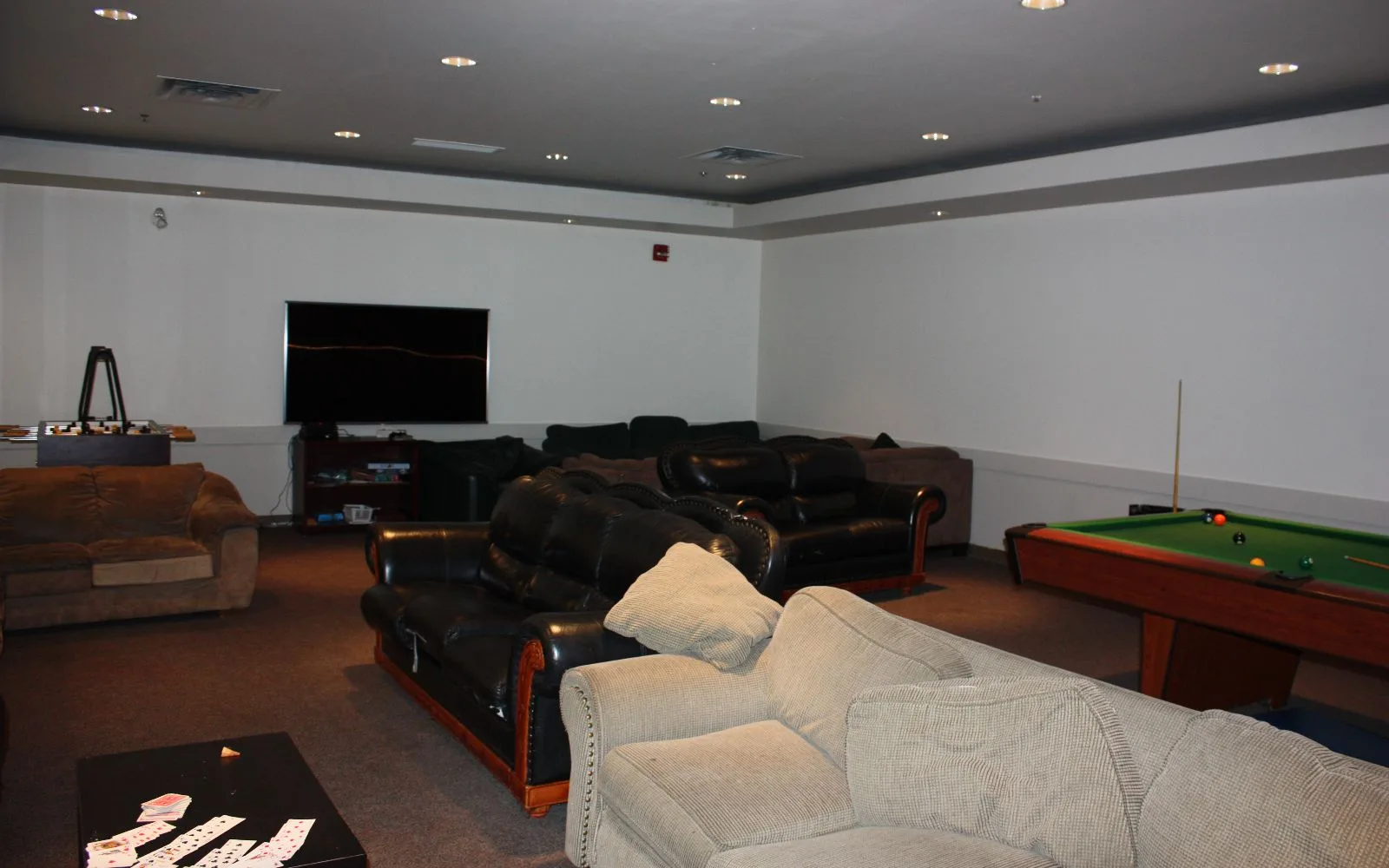
AARC runs from 303 Forge Road SE, in the Fairview industrial area of southeast Calgary just south of Glenmore Trail. Youth spend their days here. The building has a full kitchen where chefs cook meals through the day, a fitness centre where clients train with a personal trainer three times a week, an activity room, an outdoor hockey rink and basketball courts. At night nobody sleeps at the centre. Youth stay in recovery homes, which are the private homes of families further along in the program. AARC trains the host families, checks each home, has the homes accredited by the Canadian Accreditation Council and keeps someone on call around the clock.
Back to School or Work, Then a Community That Stays
The last of AARC's four levels moves youth back into school or work while the family keeps getting support. Graduation is not a hard stop. Youth and parents can keep using AARC's services afterwards, and the centre encourages them to stay involved by helping families who are just starting. Some graduate families go on to open their own homes as recovery homes, and many of the peer counsellors on staff finished the program themselves.
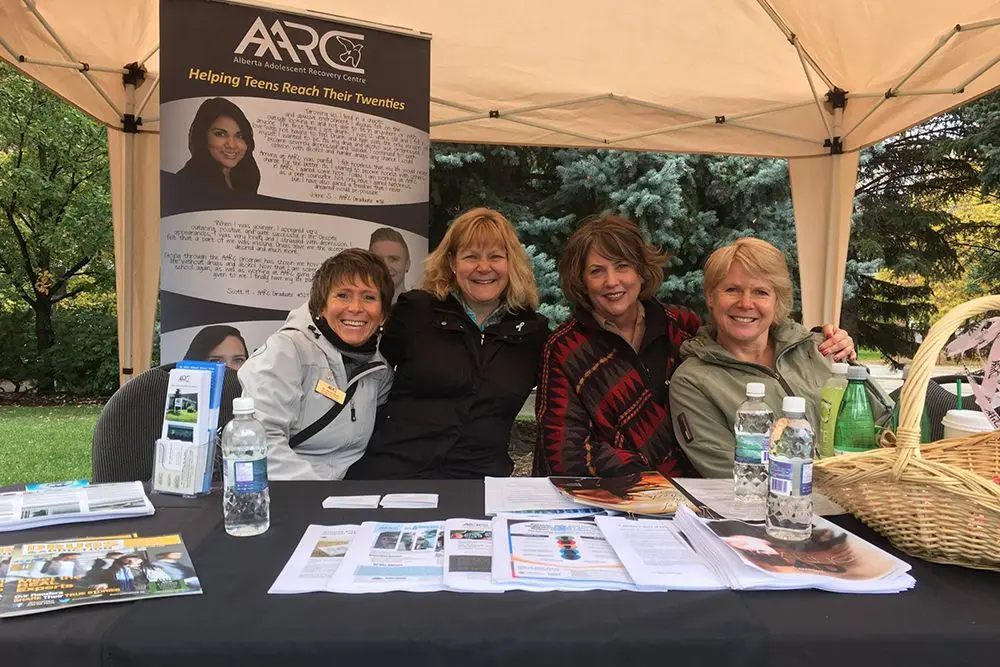
Peer Counsellors Working With a Clinical Team
Executive Director Donny Serink, a registered social worker with a master's in social work, took over in October 2025 after ten years in clinical and leadership roles at AARC. Dr. Dean Vause, whose PhD research shaped the treatment model, is now Senior Advisor. The centre says most of its staff are graduates of the program. Every client gets a peer mentor in recovery, and the team also includes clinical and family counsellors, a registered nurse and a licensed practical nurse. Two consulting psychiatrists, Dr. Lori Hogg and Dr. Elizabeth Wallace, and psychologist Joel Mader work with the team, and Dr. Hogg can prescribe when a youth needs medication.
Alberta Adolescent Recovery Centre: Centre Overview
AARC is a non-profit program for 12 to 21 year olds with serious alcohol or drug problems, and it treats the whole family alongside the young person. Treatment follows the 12 steps of Alcoholics Anonymous in four levels and aims at full abstinence. Youth have individual and group counselling several times a day with social workers, certified addiction counsellors, clinical counsellors and peer staff. The centre also supports concurrent mental health problems, with nursing care and consulting psychiatrists and psychologists. Most families stay 8 to 10 months, though nobody is pushed out on a fixed date.
What's included in your stay
12 services · as described on the centre's websiteAARC was set up in Calgary in 1990 and took its first youth in 1992, with funding from the Government of Alberta and a donation from the Rotary Club of Calgary. Today it is partly funded by the province's Ministry of Mental Health and Addiction, with the rest coming from donors and fundraising events. In 2015 a $300,000 grant paid for an independent evaluation led by Dr. Amelia Arria of the University of Maryland. The centre reports that 80.5% of clients who entered treatment completed it, and that 73% of graduates said they were still abstinent 12 months after graduating, falling to 59% at 24 months. These figures came from retrospective interviews with a sample of past clients.
How the AARC program unfolds
The path a family takes, as AARC describes itNo referral needed. Intake talks through your family's situation.
Confirms problematic substance use, then the clinical team takes over.
Individual and group counselling several times a day, with family sessions alongside.
Days at the centre, evenings with a host family further along.
Later levels rebuild school, work and home life before graduation.