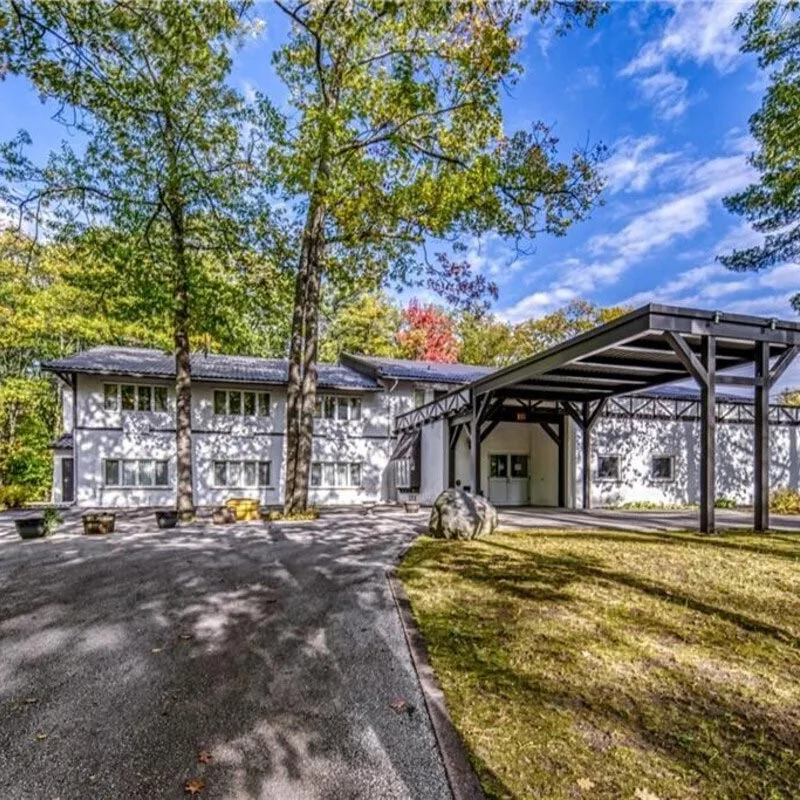
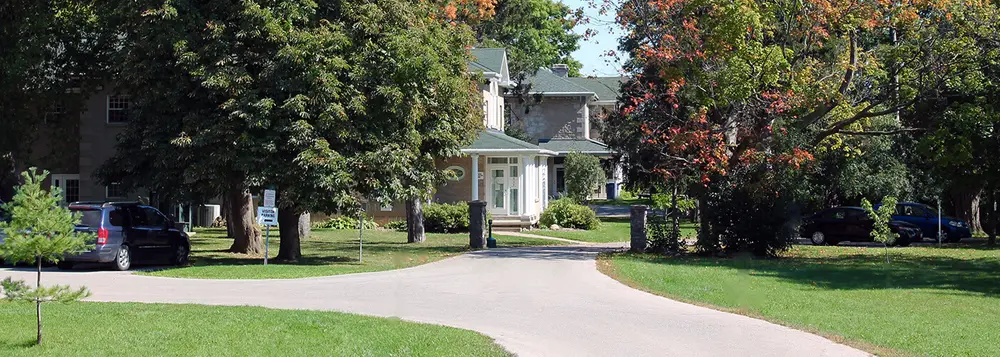
Stonehenge Therapeutic Community: Long-Term Residential Treatment in Guelph, Ontario
Stonehenge Therapeutic Community is a non-profit addiction agency in Guelph that has run a residential treatment program since 1971. Its long-term program uses a modified therapeutic community model, and Stonehenge says it is the only publicly funded therapeutic community for adults in Ontario. The program is free for anyone with an Ontario health card.
Residential treatment lasts four and a half to six months and runs as separate programs for men and women on two properties, with transgender and non-binary people welcome. Stonehenge also runs community services under three other pillars: addiction medicine and withdrawal (including community withdrawal support and RAAM clinics), integrated support and justice, and supportive housing.
A therapeutic community where residents help each other
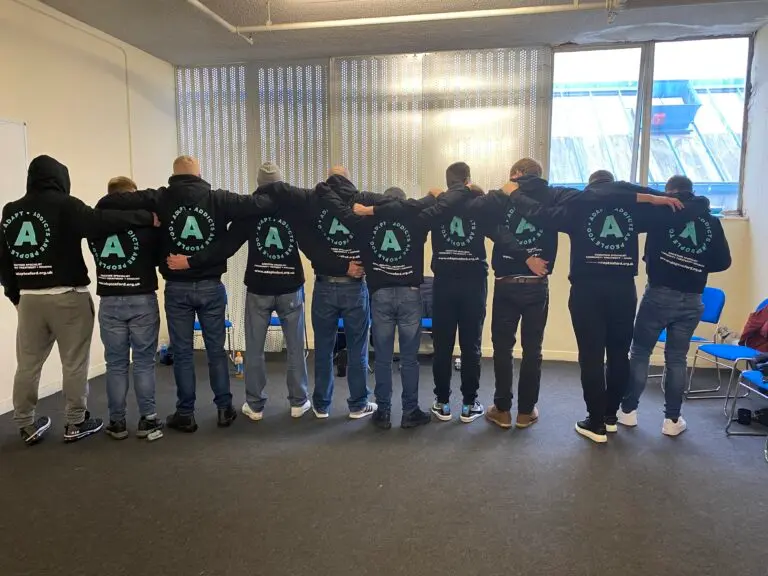
Stonehenge's program rests on the idea that long-term addiction comes with a lifestyle, and that recovery means challenging deeply ingrained behaviour and practising healthier ways of living. Residents help each other in every part of treatment, staff act as facilitators, guides and role models, and alumni stay part of the community. New residents are paired with a senior resident who guides them through the program. Three rules are absolute: no drugs, medications or alcohol, no physical violence, and no sexual activity with other residents. Breaking them can mean immediate discharge.
Orientation, active treatment and re-entry
The program has three phases. Orientation lasts about three weeks, with no outside contact with family or friends so residents can settle into the community and both sides can check the fit. Active treatment runs three to four months and includes individual and group therapy, workforce therapy, art therapy, life skills, emotions management, leisure and learning and community outings, with recognition awards every Friday. Re-entry lasts four to six weeks and focuses on employment, housing, education and recovery supports back home. Graduates are celebrated at a monthly Commencement.
Support that continues for up to two years
The Friends and Family Support Program meets every four weeks on a Saturday morning at the Guelph administration building, for loved ones of anyone who has finished at least the orientation phase, for up to two years. Former residents who completed at least three months can join the weekly Thursday evening aftercare group for up to two years, and the Regional Aftercare Program lets graduates of Stonehenge, House of Friendship and Homewood Health Centre attend aftercare at any of the three agencies. Anyone who completed residential treatment in Ontario can ask about joining Stonehenge's aftercare group.
Stonehenge Therapeutic Community: Centre Overview
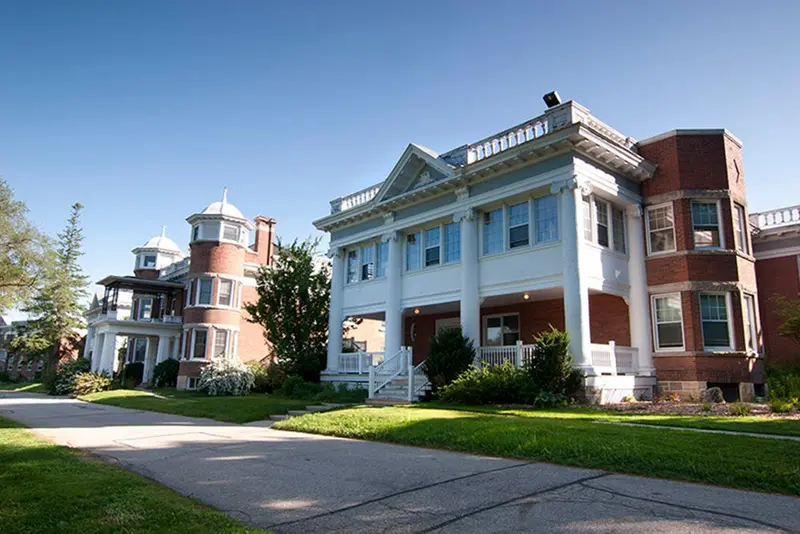
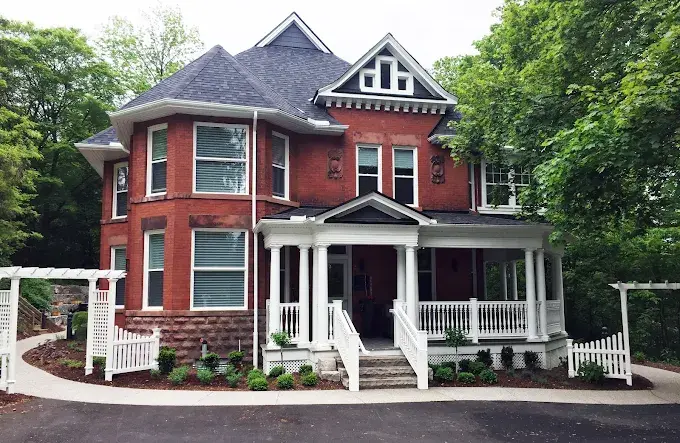
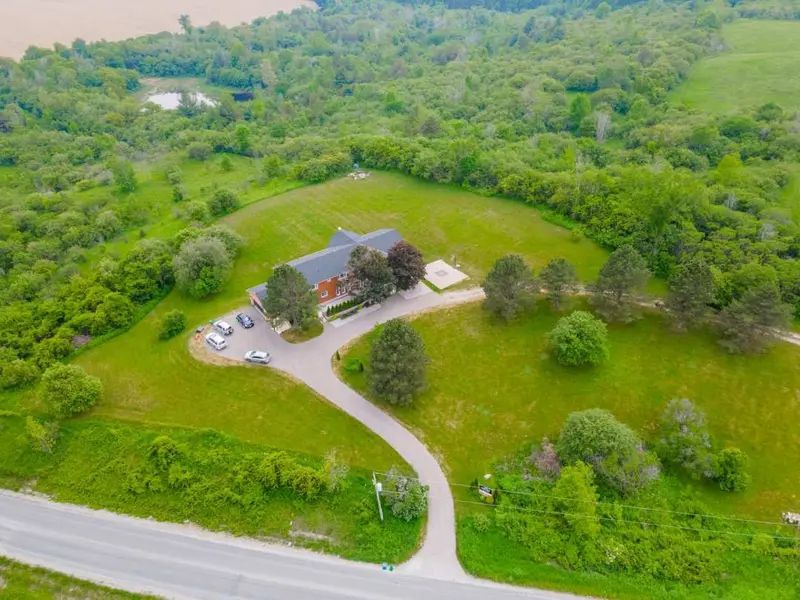
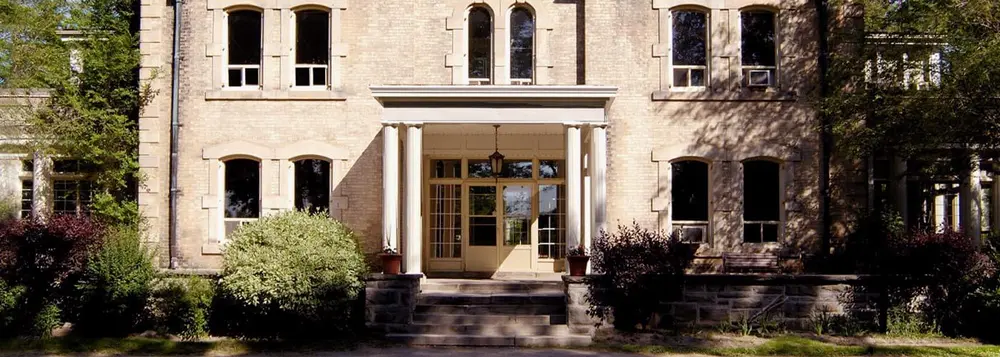
Stonehenge began on a borrowed farm near Campbellville in 1971, where Dr. John Dougan brought in ten residents who grew vegetables and raised chickens. A resident suggested the name. After several moves, the agency bought Alden Hall, now Dougan Hall, in Guelph-Eramosa Township in 1981 and added Morrow Hall in 1989. It bought the Westwood Road site in Guelph in 2000, and in 2002 the program became gender-specific, with women living at Century Home.
Funding contracts with provincial and federal corrections ministries mean that people on probation or parole can attend, and Ontario Ministry of Health funding is what makes the program free with an Ontario health card. Since 2010 Stonehenge has added community programs including outreach, withdrawal support, court support, overdose response, addiction clinics, rural services and housing.
What's included in your stay
11 services · as described on the centre's websiteStonehenge is not a medical facility, but its residential OAT program supports people on methadone, Suboxone or Sublocade. A physician sees residents through the Ontario Telemedicine Network, and a pharmacist provides the medication on site, so residents never need to leave the property for their OAT.
From application to Commencement
The admission steps and program phases Stonehenge describesWaterloo-Wellington residents call Here 24/7; others send the application to Stonehenge.
Book a phone assessment at ext. 221 or walk in on a Tuesday at 60 Westwood Rd.
A senior resident guides you while you settle into the community.
Therapy, workforce therapy, life skills, art and outings.
Plans for work, housing and recovery supports, then Commencement.