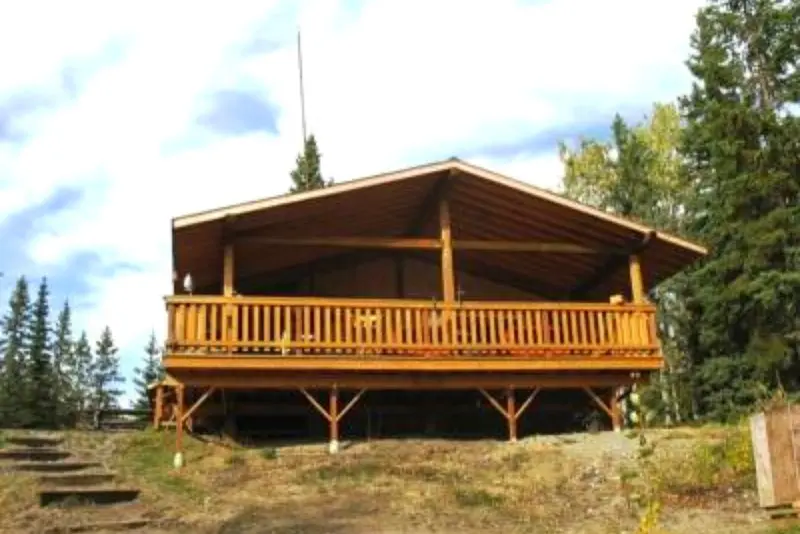

Michael Walsh: Addiction Counselling and Mental Health Therapy in Victoria, BC
Michael and his team help empower individuals and families across Canada and throughout the world to overcome substance use, addiction, and mental health challenges. Our compassionate, expert-led services provide personalized support for lasting recovery, delivered through secure tele-therapy, online video and some in-person options.
To be clear about what this listing is: Michael Walsh is an individual addictions specialist with a small team of recovery coaches, sober companions and clinicians, not a residential treatment centre. He trades as Sober Coach Canada, and his practice offers recovery coaching, counselling, family support and planned interventions. There are no beds and no detox. Most work happens by video or phone, with in-person sessions at his offices in Victoria, Duncan and Vancouver.
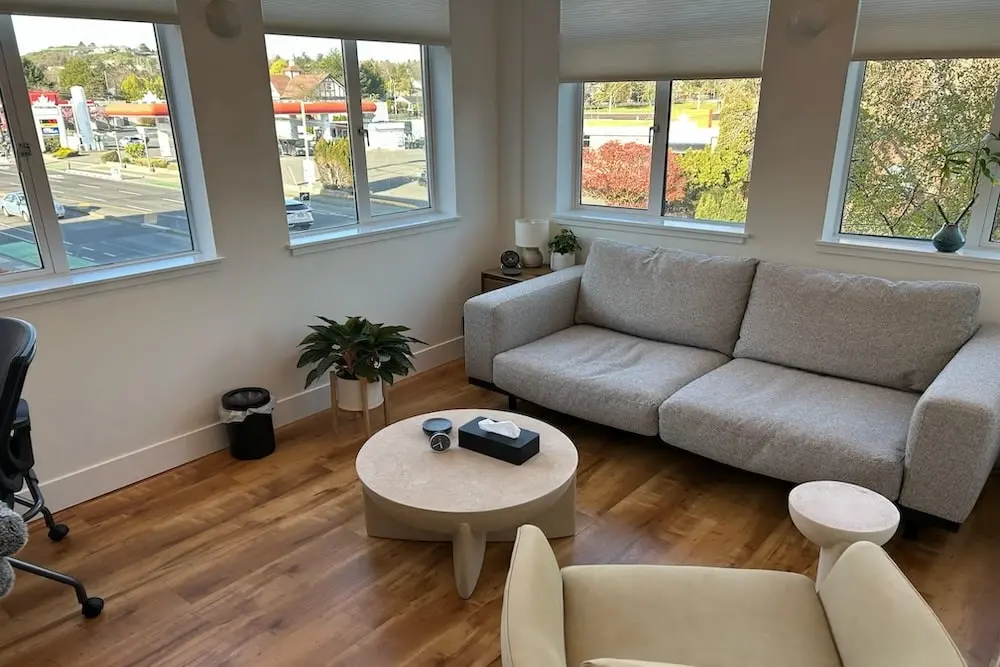
Online First, With Offices on Vancouver Island and in Vancouver
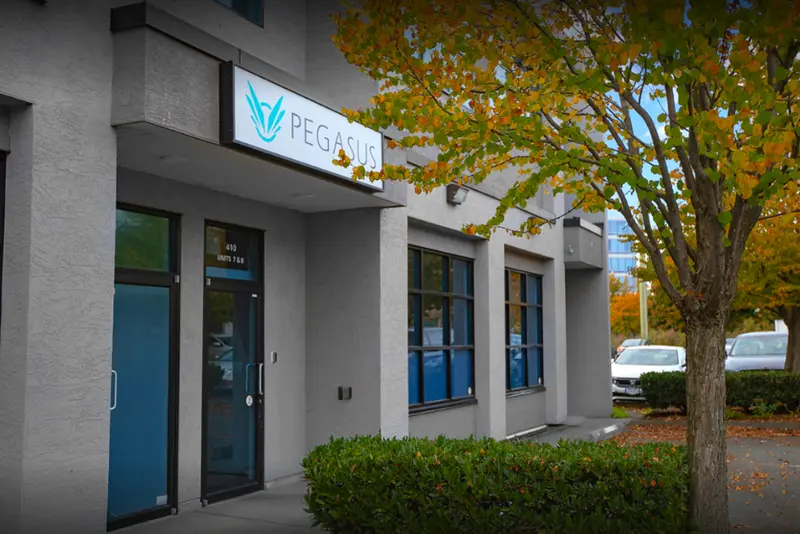
Most clients never come to an office. Sessions run by video, phone, text and email, so people in Victoria, the Cowichan Valley, Nanaimo and the rest of Canada work with the team the same way. When meeting face to face helps, there are offices on Shelbourne Street in Victoria, on Kenneth Street in Duncan and on Mainland Street in Vancouver's Yaletown. Interventions in Victoria and Vancouver are done in person, and a sober companion can come to your home or travel with you.
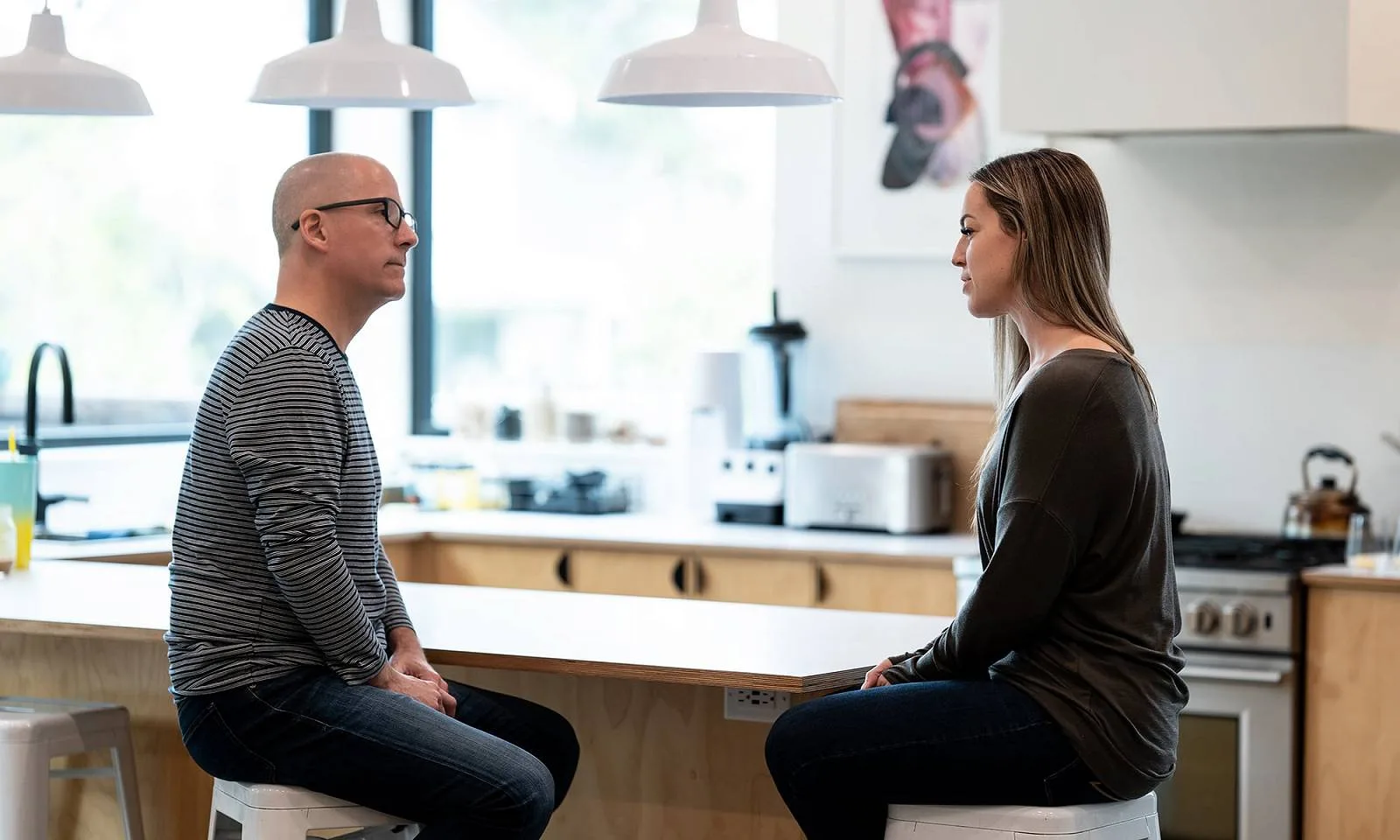
Support After Detox or Rehab
A lot of Michael's clients come to him straight out of detox or an inpatient program, and coaching is set up to carry that work into daily life. The practice suggests weekly 60-minute sessions for the first four to six weeks, then 30-minute check-ins every two weeks. Some people stay three to six months, others a year or two. For the riskiest stretch, a sober companion can live in for a few months after treatment. Families can keep going with CRAFT coaching once their loved one is home.
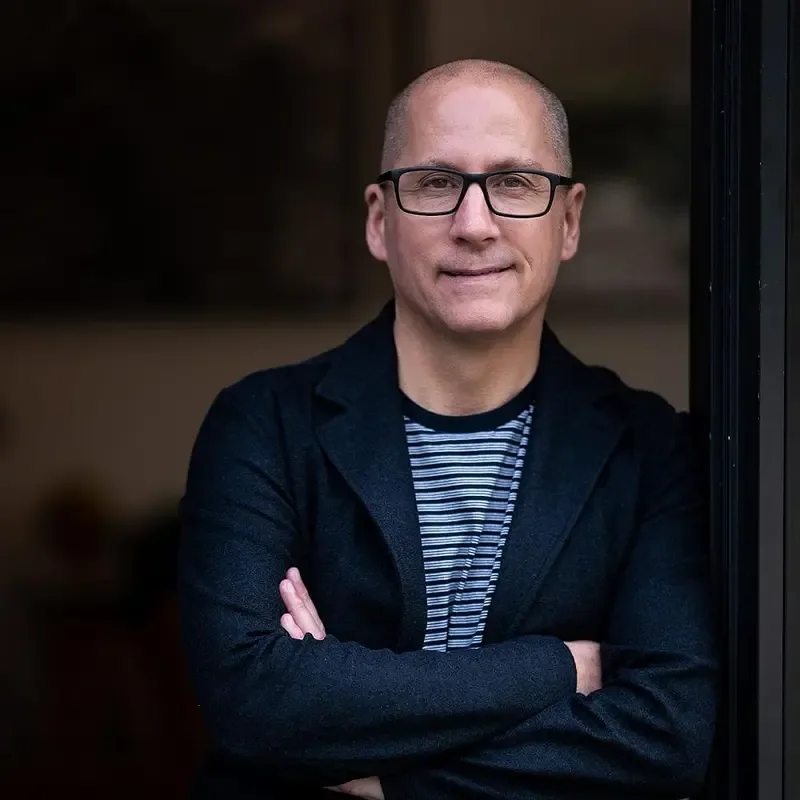
A Coach Who Has Been Through It
Michael Walsh went through alcohol detox twice and inpatient drug rehab twice before he got well, and he is open about it. He has now spent about 15 years working in substance use and mental health, including jobs with the Victoria Cool Aid Society and with Island Health at its Sobering Centre, community medical detox and The Grove men's sober living residence. He trained as a recovery coach and as an interventionist, co-created the online program Home Based Recovery, and is a founding member of Recovery Coaches Canada. Every coach on his team has lived experience too.
Our Addiction and Mental Health Services
Sober Coaching: One-on-one guidance and accountability for those in early recovery or post-rehab, helping you stay on track and working toward your goals for change and growth.
Addiction Recovery Coaching: Tailored approach for those who are sober curious wanting to reduce intake or take a break from consuming alcohol.
Intervention Services: Support for families to lovingly guide a loved one toward treatment with empathy and clarity.
Family Support: Resources and counselling using the CRAFT Model of Addiction to help families navigate addiction’s impact together.
Assessments: Comprehensive psychological, substance use, and mental health evaluations to inform your recovery plan.
Online Addiction Treatment: Do rehab online at home with Home Based Recovery providing psycho-educational and skills-building content while matched up with a recovery coach or therapist for 20-hours of support in our 30-day program.
What's included in your stay
11 services · as described on michaelwalsh.comSober Coach Canada is a coaching and counselling practice. If you need medical detox or a residential stay, the team helps you choose a program and get there, then works with you once you are home.
How recovery coaching works
The steps Michael Walsh's practice describes for new coaching clientsA no-charge phone or video call about your situation and fees.
You are paired with the coach who best fits your needs.
Cut back, take a break or quit. You set the pace.
Usually 60 minutes a week for 4 to 6 weeks, then every two weeks.
The plan is adjusted as you go; many stay 3 to 12 months.