
Envision Mind Care: psychiatry, TMS and addiction care in Edmonton
Envision Mind Care is a private clinic in downtown Edmonton, at 9807 106 Street NW near the Alberta Legislature. It is mainly an outpatient practice, with psychiatrists, psychologists, family doctors, a TMS service and physiotherapy under one roof, treating depression, anxiety, OCD, ADHD, trauma, chronic pain and addiction.
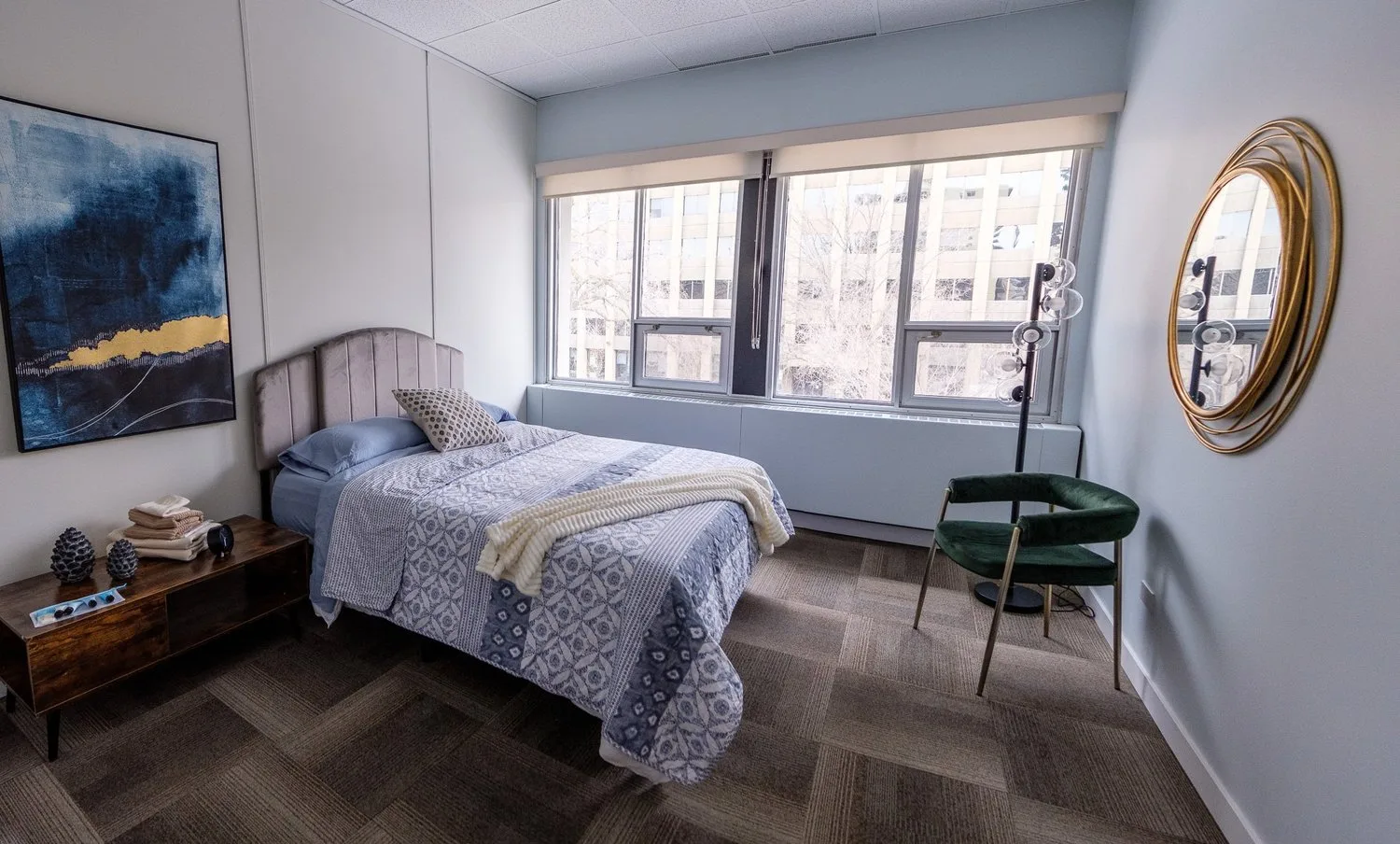
For substance use, there are two routes. You can do the outpatient program on weekdays and go home each night, or stay in a private bedroom at the clinic for a six-week in-patient program, which can be extended. Envision is on the Government of Alberta's list of licensed residential addiction treatment service providers. The approach is non-12-step and trauma-informed.
Outpatient days or a six-week stay
Both versions of the substance use program start the same way, with assessments by addiction specialists, psychologists and psychiatrists that look at your use, your health, any trauma and conditions like depression, anxiety or ADHD. Outpatients come in Monday to Friday, between 8:15 am and 5 pm, and keep living at home in Edmonton, St. Albert or Sherwood Park. In-patients stay in a private bedroom at the clinic for six weeks, longer if the team recommends it, and get the same psychiatry, TMS, counselling, workshops and yoga plus dietitian sessions. The clinic keeps groups small.
TMS and medication alongside counselling
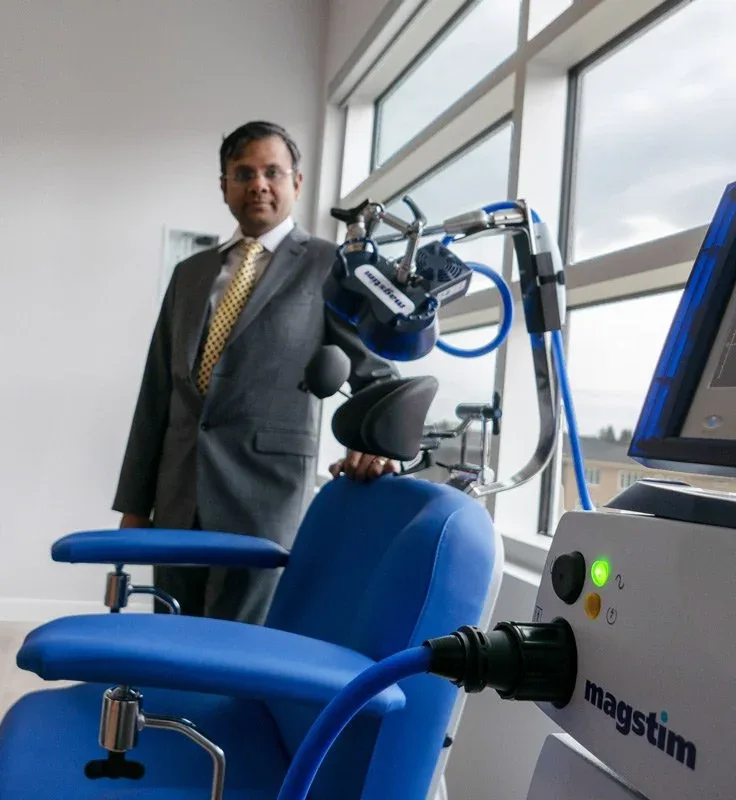
Envision puts a lot of weight on what it calls brain health. TMS sessions can be added to target cravings, withdrawal and low mood, using MagVenture and BrainsWay machines, and the clinic has given about 15,000 sessions to more than 300 people. A psychiatrist reviews your medication throughout, and medication-assisted treatment is used for opioid, alcohol or other dependence when it fits. Counselling uses CBT, DBT and motivational interviewing. Psychedelic-assisted treatment exists at the clinic but only for specific cases where standard care has failed.
Follow-up from the same team
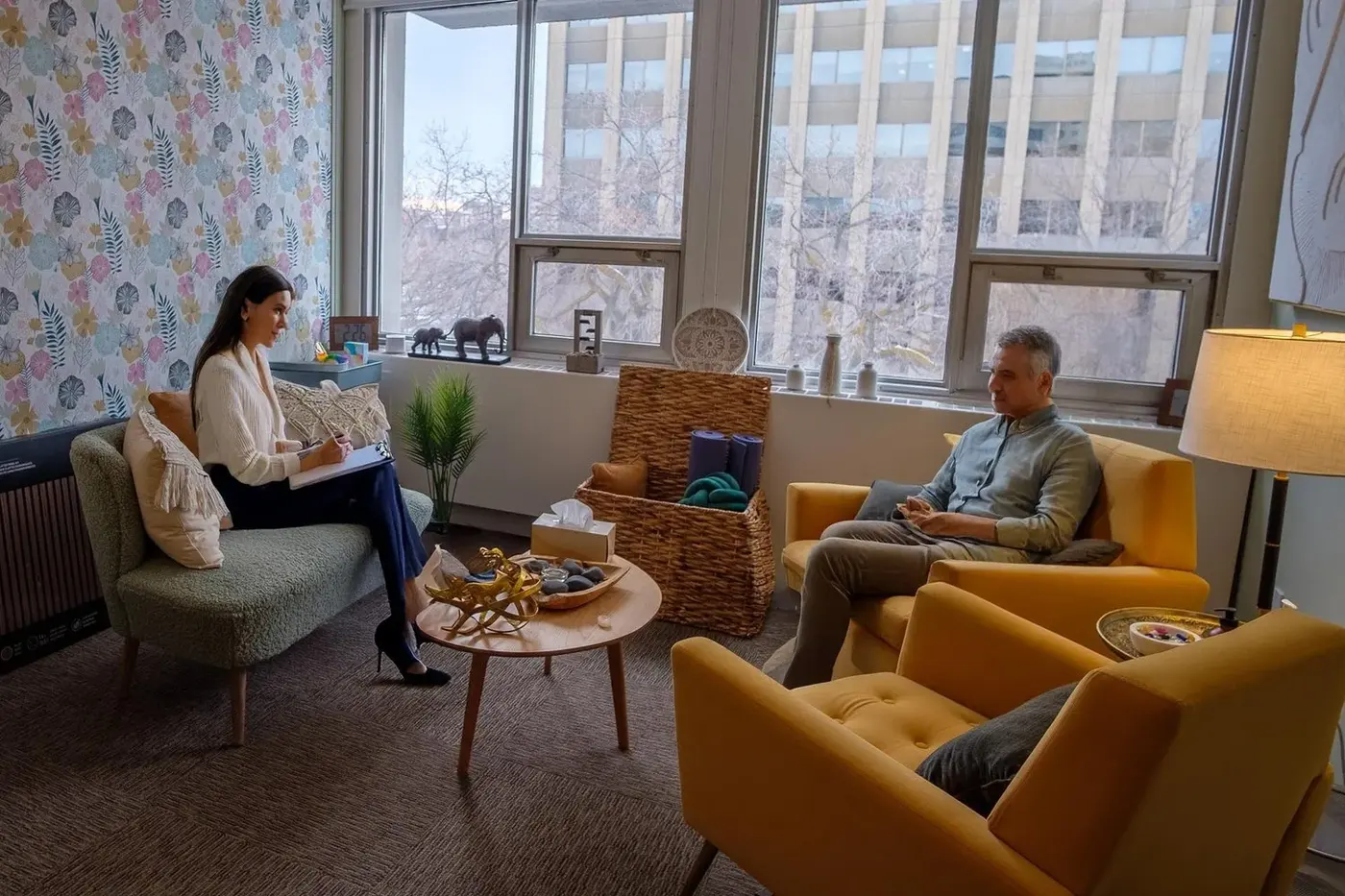
When you finish, you leave with a written aftercare plan. That includes continued access to therapy, follow-ups with the addiction counsellors and psychiatrists you already know, and help getting back into work and daily life. Because the clinic also runs a full psychology service, people often keep seeing a psychologist there for trauma, anxiety or relationships after the addiction program ends. Families can get help understanding addiction-related behaviour and improving communication at home.
Envision Mind Care: program overview
The clinic describes itself as one of Western Canada's largest private mental health clinics. Its people include Medical Director and consultant psychiatrist Dr. Karthikeyan Ganapathy, a second consultant psychiatrist, registered psychologists, two GPs, a TMS therapist, a physiotherapist and a massage and osteopathic therapist. Psychology on its own covers ADHD assessment, OCD, PTSD and complex trauma, grief, burnout and addictions, using EMDR, CBT, ACT, exposure and response prevention, Hakomi and narrative therapy.
Envision has programs for particular groups: veterans, first responders, teachers, executives and professionals, and Indigenous communities. It also works with Alberta employers, including oil sands companies, on programs for their staff. It runs workshops too, such as a six-week online ADHD psychoeducation group.
What's included in your stay
11 services · as described on the clinic's websiteEnvision does not publish its program prices. Substance use treatment is mostly private pay and the clinic offers payment plans, while warning that most insurance and benefit plans do not cover private addiction treatment. It says veterans, teachers and first responders on disability can often have their care covered through their benefits, and people on WCB who use substances to cope with trauma can ask about the program. Psychology fees follow the Psychologists' Association of Alberta guideline, and the clinic can direct bill several insurers.
How the substance use program runs
The parts of the program Envision Mind Care describes on its websiteAddiction specialists, psychologists and psychiatrists look at use, health and trauma.
Regular psychiatric reviews, with MAT when it is appropriate.
Weekly one-to-one counselling plus CBT, DBT and education groups.
Added to target cravings, withdrawal and mood where suitable.
Ongoing therapy and follow-ups with the same counsellors and psychiatrists.