
Canadian Centre for Addictions: Residential Rehab in Cobourg
The Canadian Centre for Addictions is a premier residential treatment facility located in Ontario, Canada. We specialize in drug rehab and are dedicated to helping individuals overcome alcohol and drug addiction. Our luxury rehab in Cobourg offers a client-centred approach, where our skilled team of addiction counsellors and therapists collaborates with each client to create a personalized recovery program tailored to their unique needs. We provide comprehensive care, from detoxification to aftercare planning, ensuring our residents receive continuous support. Our commitment to 5-star care means that we not only help our residents achieve sobriety but also teach them how to maintain a high-quality, fulfilling life year after year.
Woodlawn Inn, a Short Walk from Cobourg Beach
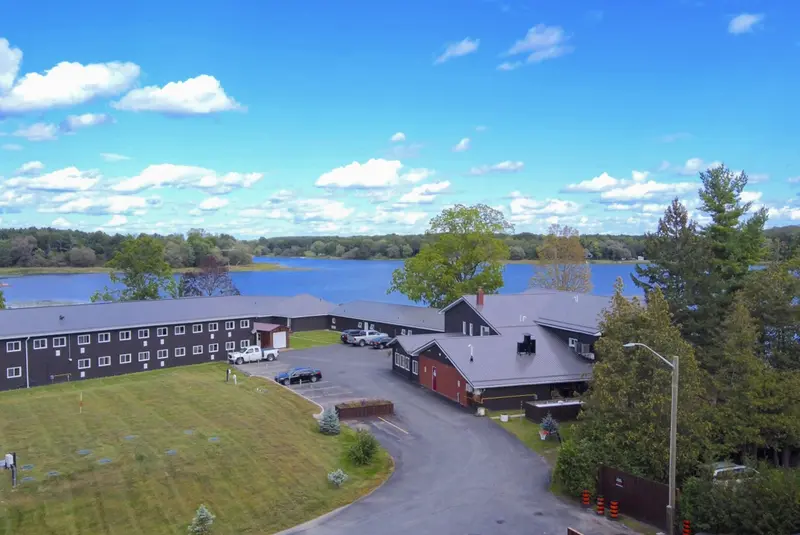
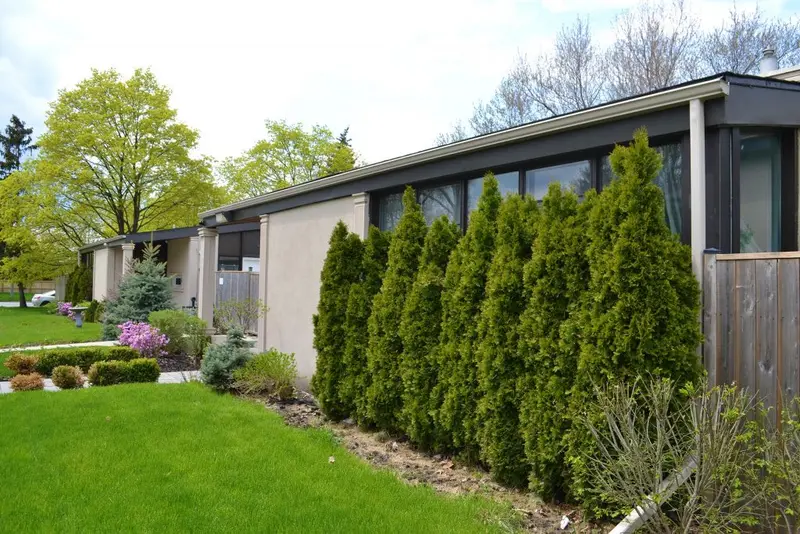
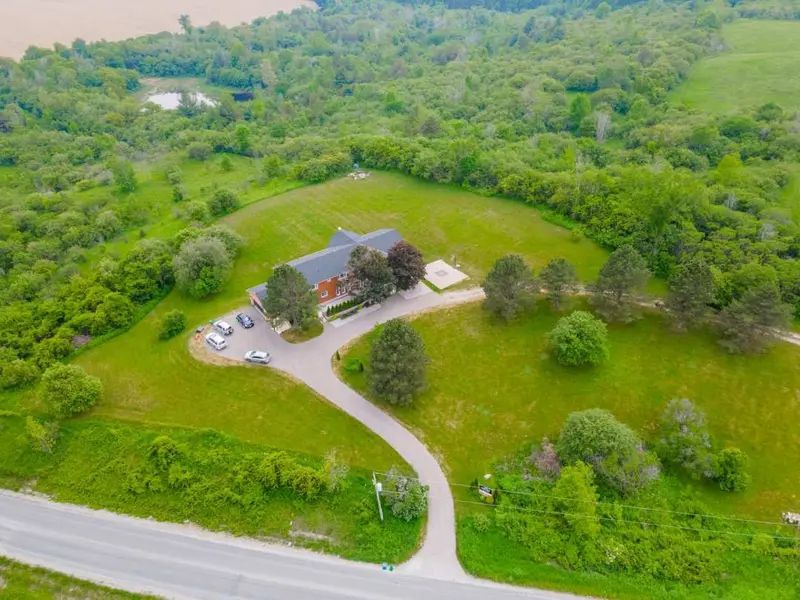
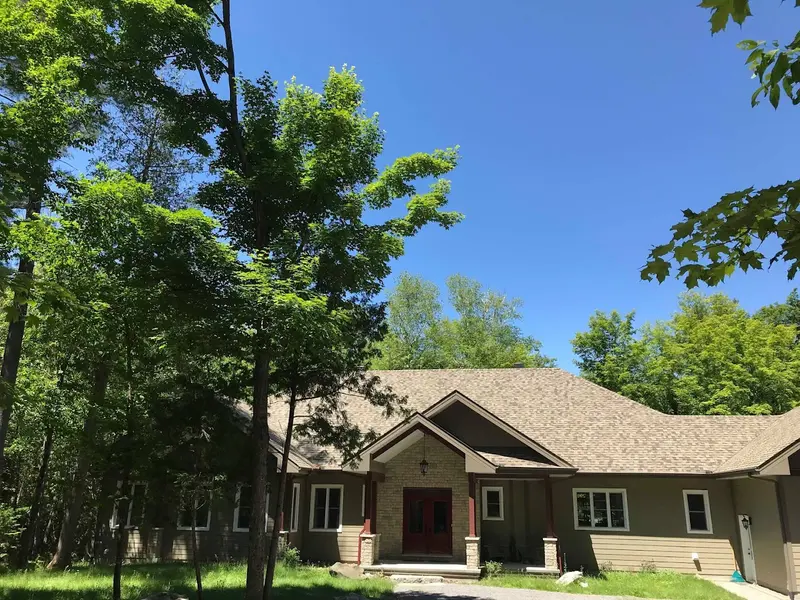
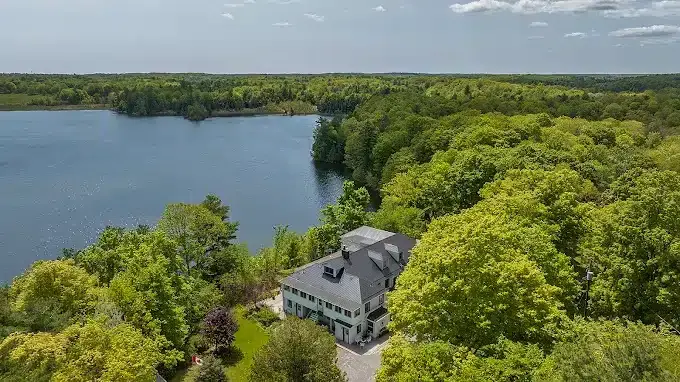
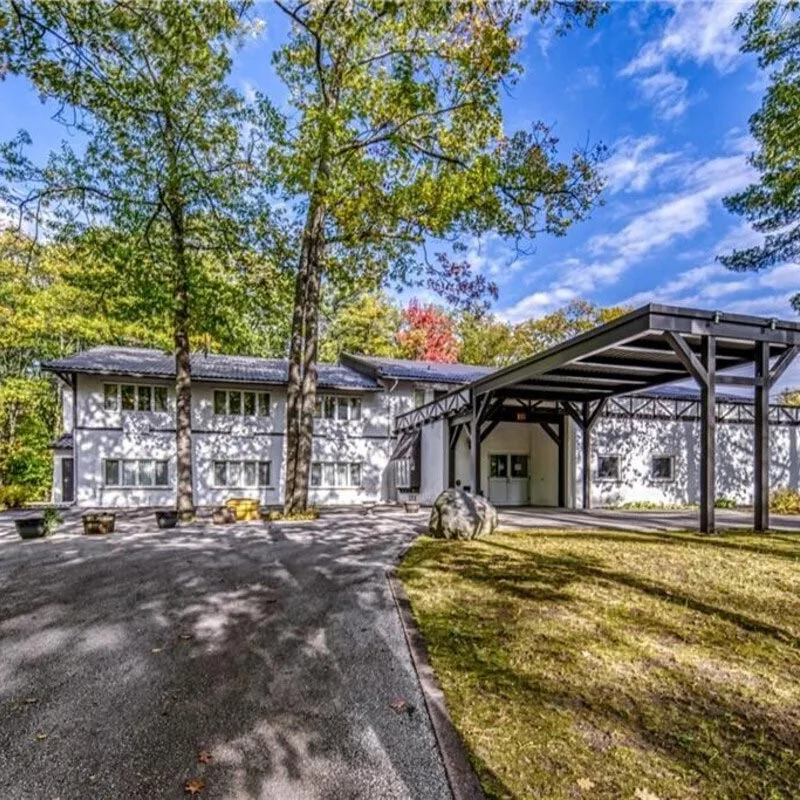
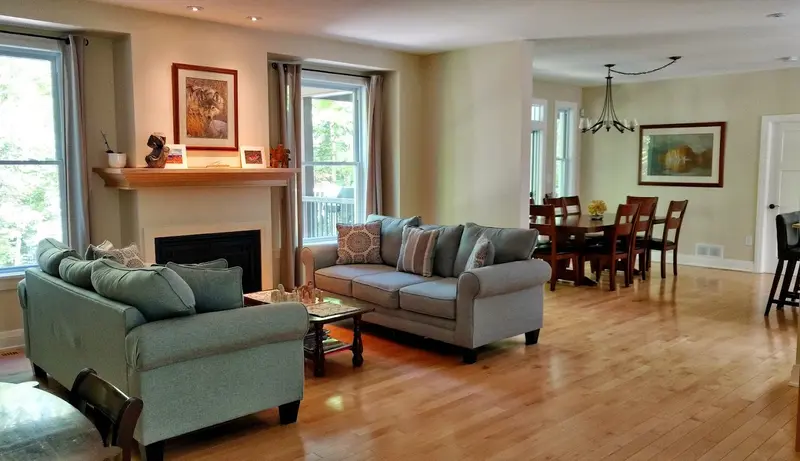
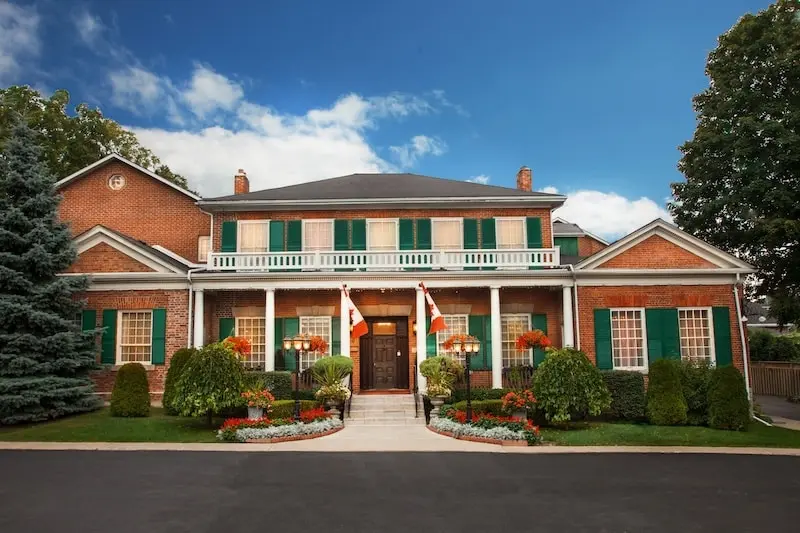
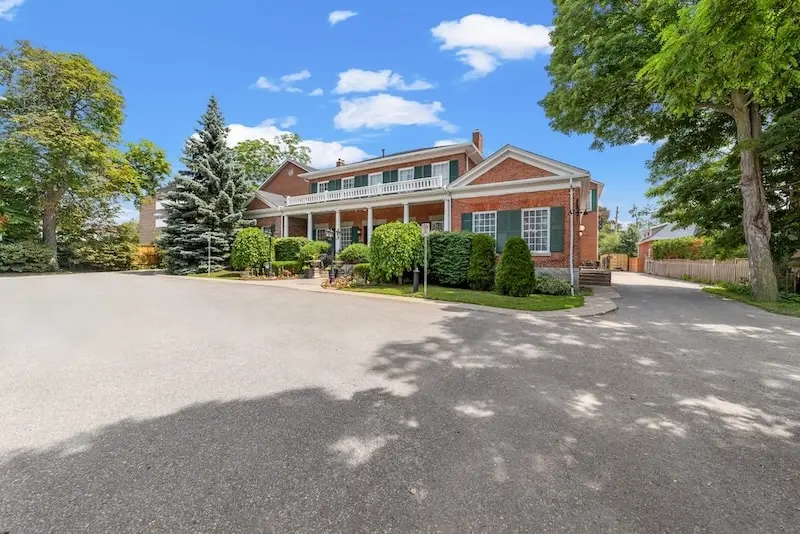
CCFA's Cobourg residence is Woodlawn Inn, a former hotel at 420 Division Street in the town's Historic District. The waterfront and Cobourg beach are a few minutes away on foot, and the grounds have walking trails and meditation gardens. Most rooms come with a fireplace, a jacuzzi tub, a private deck and a view of the lake. There's a gym and a steam room in the building, massage therapy through the spa, and a chef who cooks every day. The centre also runs a second residence, Hillcrest Mansion, in Port Hope just west of Cobourg.
Lifetime Aftercare and a Way Back In
Every graduate gets lifetime access to CCFA's weekly aftercare groups. Before you go home, your counsellor writes a relapse prevention plan with you and the team puts you in touch with psychiatrists, psychologists and addiction counsellors in your own area. If you finished a stay of 45 days or longer and things start to slide, you can come back for a free two-week relapse prevention program. Family members can keep up their own counselling after discharge, and alumni stay connected through the Roots of Recovery community.

Physicians, Nurses and Counsellors Under One Roof
Medical care is led by addictions physicians, among them Dr. Ron Phillipson and Dr. Leonard Bienenstock, and nurses are on site around the clock. Therapy comes from registered psychotherapists, a registered psychologist and certified addictions counsellors, with clinical manager Annette Maxwell overseeing the program. Former Toronto Maple Leafs player Jim McKenny works with clients as a recovery coach. Twelve-step meetings are offered but not required, and counsellors also draw on CBT, DBT, motivational interviewing and SMART Recovery.
Canadian Centre for Addictions - Center Overview
The Canadian Centre for Addictions (CCFA) is a leading private rehab facility offering comprehensive treatment for individuals struggling with alcohol and drug addictions. Located in a serene environment, CCFA provides a personalized approach to recovery, focusing on holistic care that addresses both the physical and mental aspects of addiction. Their expert team of healthcare professionals delivers evidence-based therapies, residential treatment programs, and ongoing support to ensure long-term success. With a commitment to compassionate care, CCFA helps individuals reclaim their lives and achieve lasting sobriety.
What's included in your stay
10 services · as listed on the centre's websiteResidential stays at CCFA run 30, 45, 60, 75 or 90 days, and the clinical team suggests a length after your intake assessment. Detox, if you need it, usually takes three to ten days and leads straight into counselling with the same team. Depression, anxiety and trauma are treated alongside the addiction rather than after it. Men and women sleep in separate rooms and have their own process groups, and family can visit on weekends.
How your stay is structured
Five stages from the day you arrive to the day you go homeA medical and psychological evaluation that sets your plan and program length.
Three to ten days of monitored withdrawal, with nurses on site day and night.
One-on-one sessions with a certified addictions counsellor, plus psychotherapy.
Groups and psychoeducation with other people in treatment.
A relapse prevention plan, then weekly aftercare groups for life.