Pine River Institute: Live-In Treatment for Youth 13 to 19 near Shelburne, Ontario
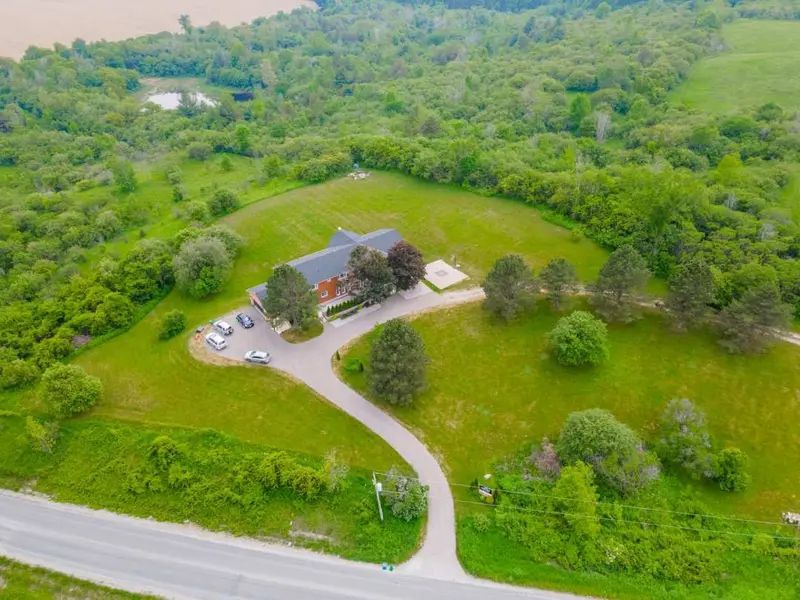
Pine River Institute is a not-for-profit, live-in treatment centre for young people aged 13 to 19 who are struggling with addictive behaviours, and often with other mental health problems as well. The campus sits on 200 acres just outside Shelburne, in the Township of Mulmur, roughly 100 km northwest of Toronto. The program opened in 2006 and is run as a registered charity.
Most families come to Pine River after other help has not worked. The centre says the teens it sees are usually struggling on several fronts at once: substance use, self-harm or disordered eating, anxiety or depression, school refusal or expulsion, running away, trouble with the law, or trauma. Many have already tried outpatient therapy, day treatment or a short residential stay.
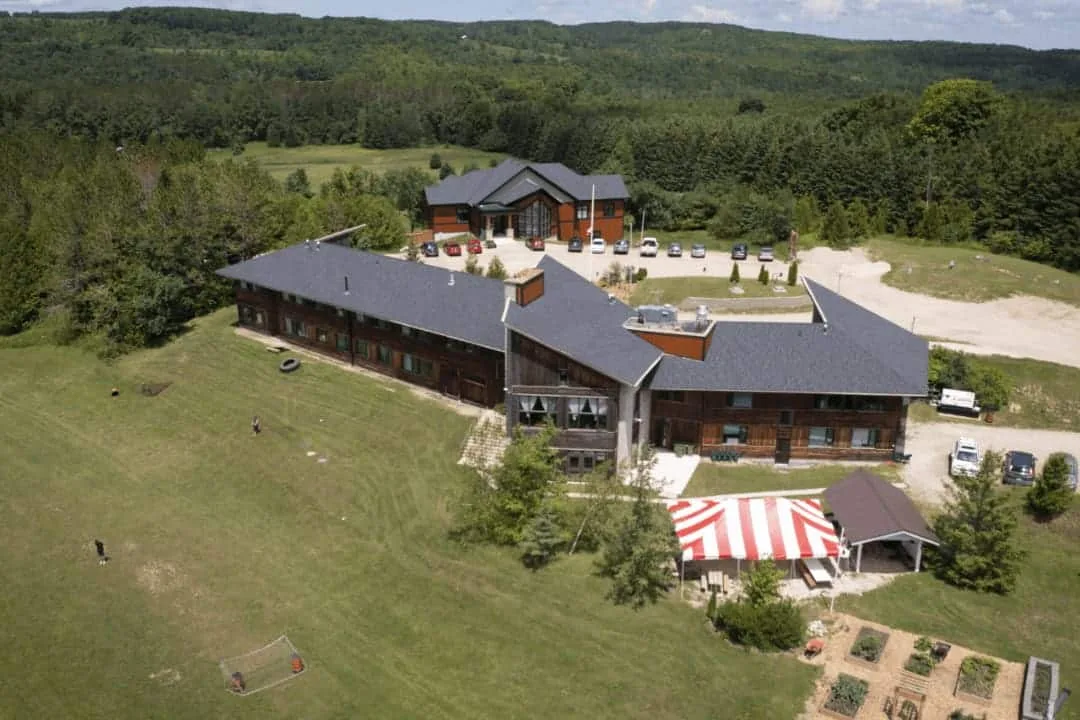
A 200-Acre Campus in Mulmur, Outside Shelburne
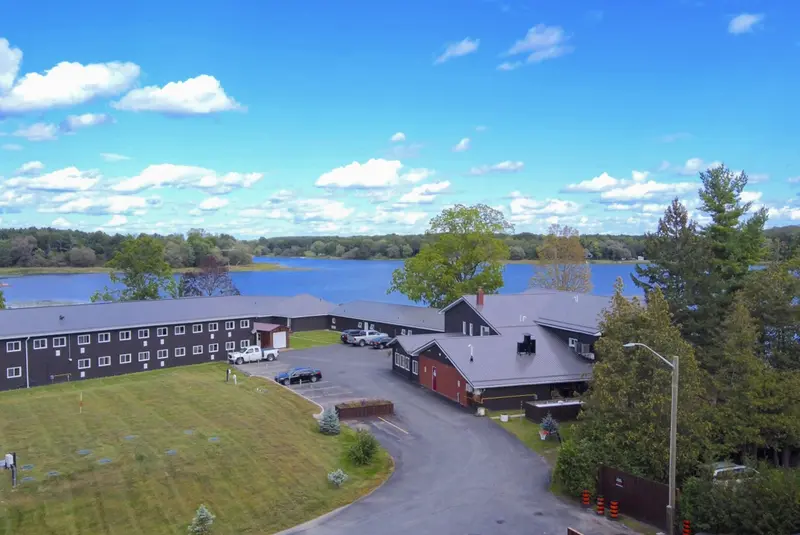
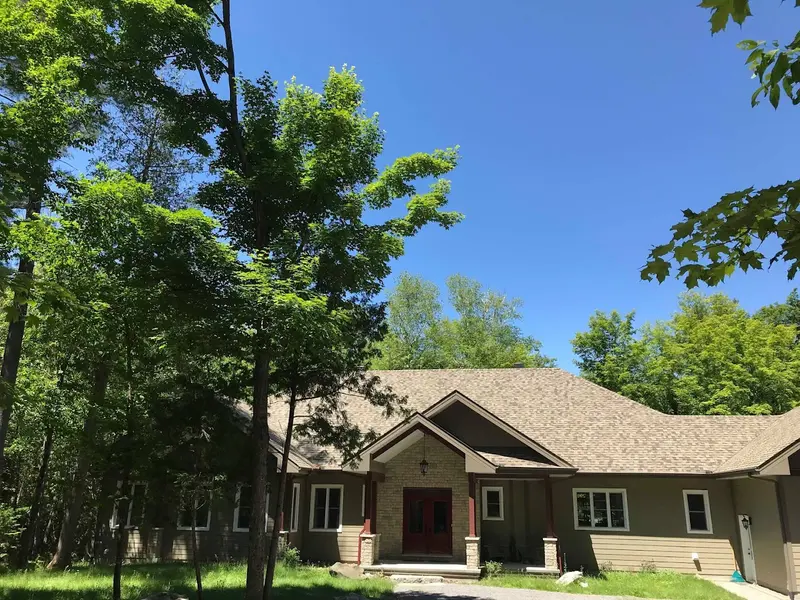
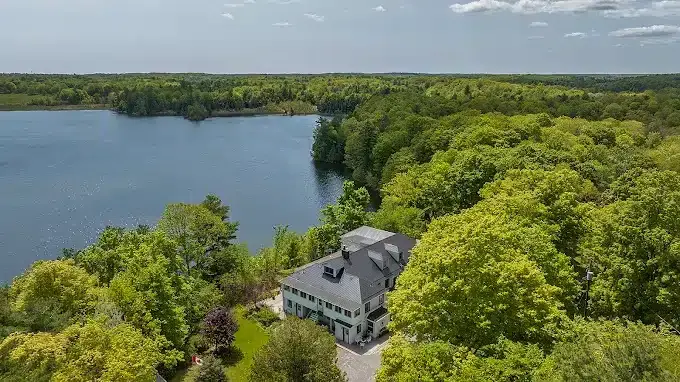
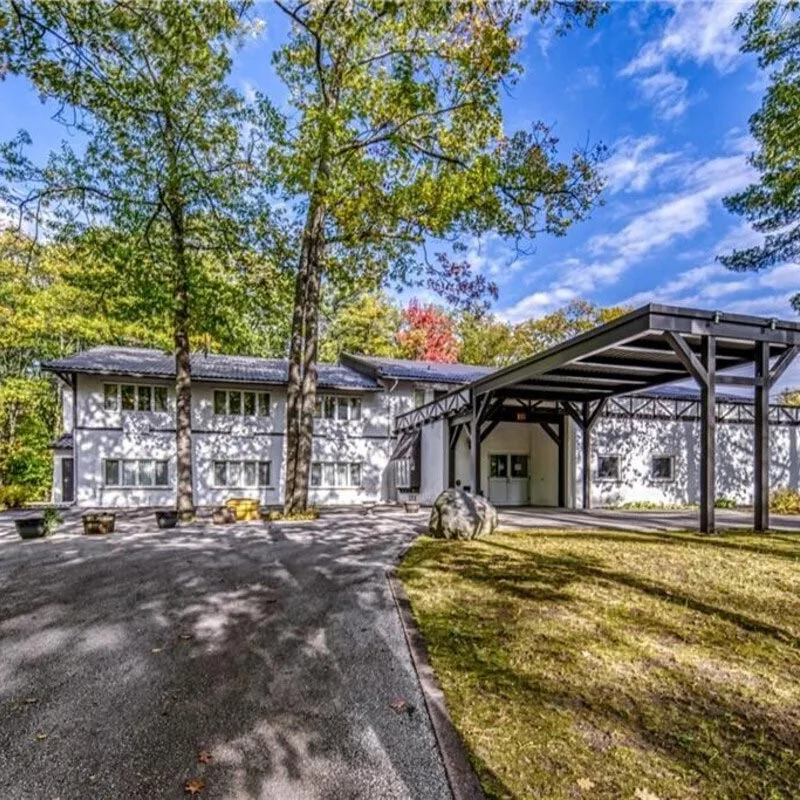
After the wilderness phase, students live on Pine River's campus on River Road in Mulmur, a few minutes from Shelburne in Dufferin County. The land was once the Toronto District School Board's Pine River Outdoor Education Centre. Pine River leased it from 2006 and bought it in 2014. Moffat House, opened in 2021, added 24 beds, and the Neal Hall dining hall was refurbished in 2023 so everyone can eat together. There is a gym, an outdoor basketball court, volleyball, a large playing field and trails used for hiking and cross-country skiing. Each spring students help tap the sugar maples and boil sap in the sugar shack.
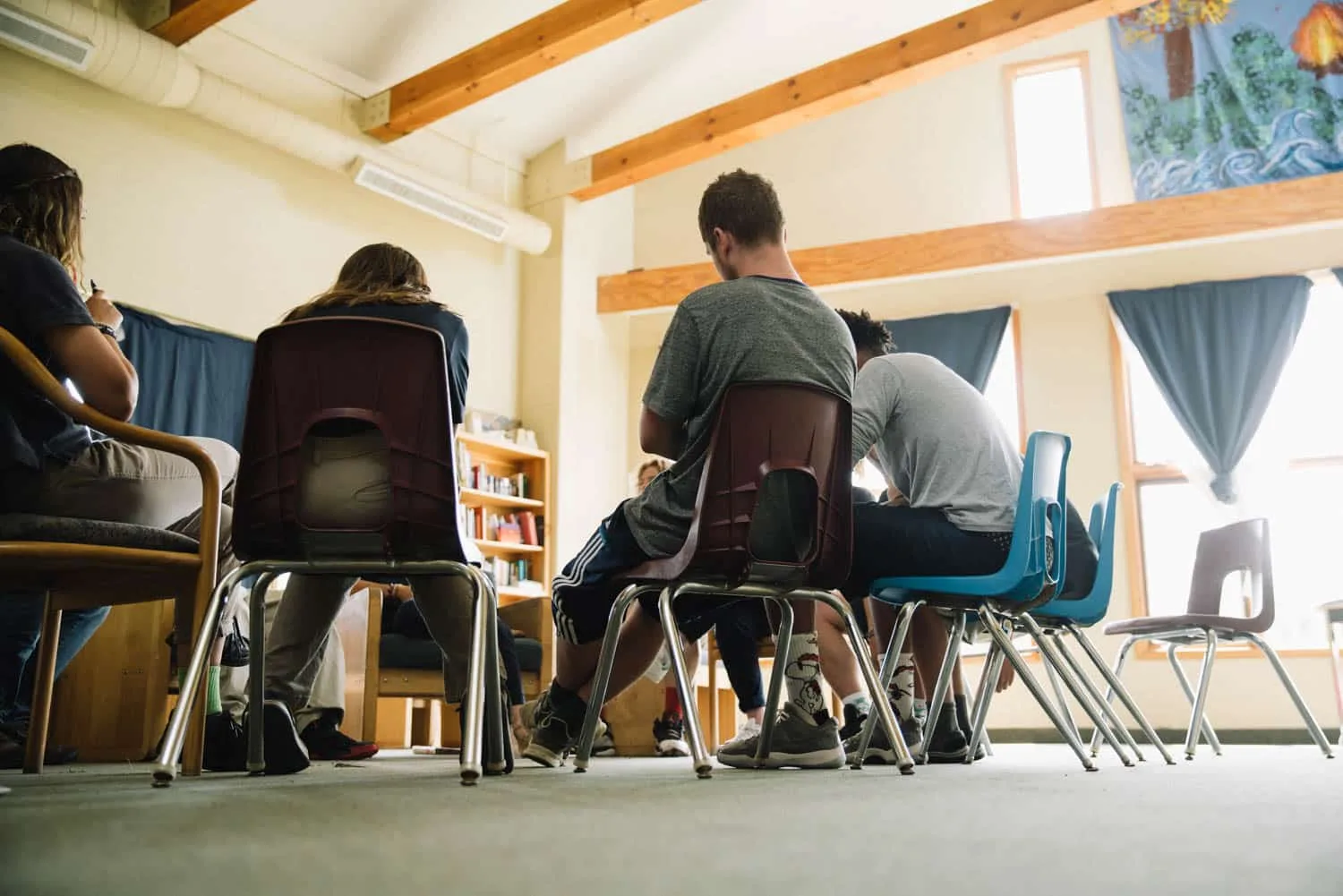
Teens Keep Earning Credits While Parents Do Their Own Work
A typical campus day has two to three hours of class, two hours of physical activity, two hours of group therapy and an hour of art, music or drama, plus chores and free time. Teachers come from the Upper Grand District School Board and plan each student's courses with the clinical team, so credits keep adding up. Parents have work of their own, too. Pine River expects them to join family therapy, a family group every other Sunday, a parent group every two weeks, a parent retreat and two-day workshops twice a year. Families who live far away can join by phone or video.
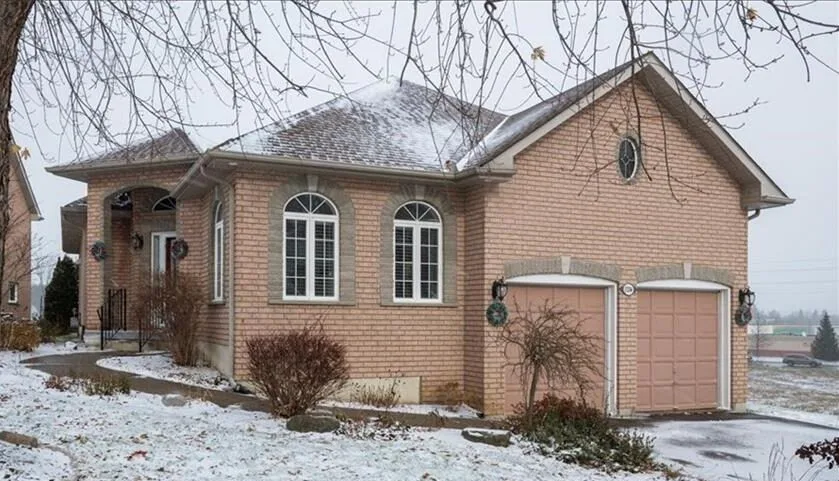
A Gradual Return Home, Then Up to a Year of Aftercare
Nobody goes straight from campus back to ordinary life. In the transition phase a student might spend weekdays on campus and weekends at home, or the reverse, while the family writes a home agreement and an Aftercare Plan. Lang House, opened in 2022, gives students finishing the program a place to build new routines before they go home. Aftercare then runs three to 12 months, with individual, group and family therapy and weekly groups for both students and parents. It ends with a graduation on campus.
Pine River Institute - Program Overview
Pine River's treatment model is based on John McKinnon's Maturity Model. The idea is that addiction in teens is usually a symptom of something underneath, and that delayed maturity leads young people to cope in ways that hurt them. The program works on emotional regulation, empathy, and a realistic sense of the future, inside a structured peer community with clear limits. Intake is continuous, and the program runs 24 hours a day, every day of the year.
What's included in your stay
12 services · as described on the centre's websitePine River tracks its own results. In parent reports for families who finished treatment, 57% of youth were using substances daily before Pine River, compared with 10% one to two years after. School attendance rose from 42% to 96% over the same period. In 2016 the program became the only Canadian program named a Research Designated Program by the National Association of Therapeutic Schools and Programs. Pine River also runs BRANCH, a separate 16-week outpatient program in Toronto for youth referred by partner hospitals.
Four phases, one program
How Pine River describes a student's path from wilderness to homeSix to eight weeks canoeing, hiking or snowshoeing in Algonquin Park.
Daily school, group therapy, activity and arts near Shelburne.
Parents work through their own sessions, groups and workshops.
Time split between campus and home while the family plans aftercare.
Three to 12 months of therapy, groups and coaching, then graduation.