
OAR Wellness: Inpatient Addiction and Mental Health Care Near Palgrave
OAR Wellness is a private wellness and addiction treatment centre in Ontario dedicated to helping individuals build a healthier, more stable future beyond addiction and mental health challenges. With a trauma-informed and evidence-based approach, OAR Wellness provides personalized inpatient treatment programs designed to support long-term recovery, emotional resilience, and sustainable lifestyle changes. Their team brings more than 70 years of combined clinical experience in addiction recovery, mental health care, and wellness-focused rehabilitation.
Located in a discreet and peaceful setting near Toronto, OAR Wellness focuses on treating both substance use disorders and co-occurring mental health conditions such as anxiety, depression, trauma, PTSD, and ADHD. Their programs combine structured therapy, life skills development, fitness, nutrition, emotional regulation, and discharge planning to help clients successfully transition back into everyday life with confidence and support.
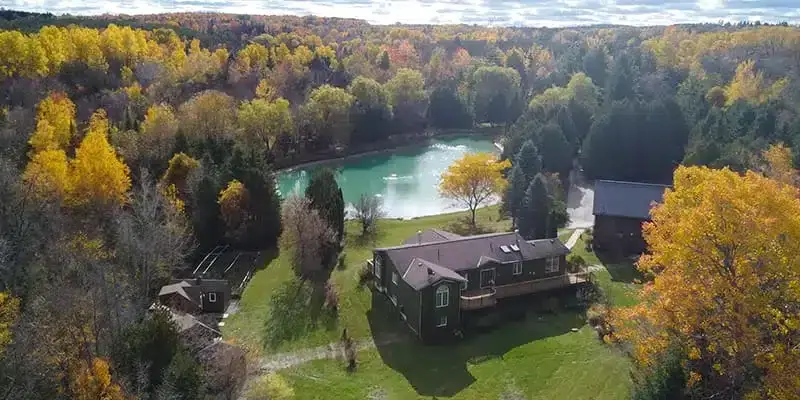
A Private, Forested Property in South Simcoe
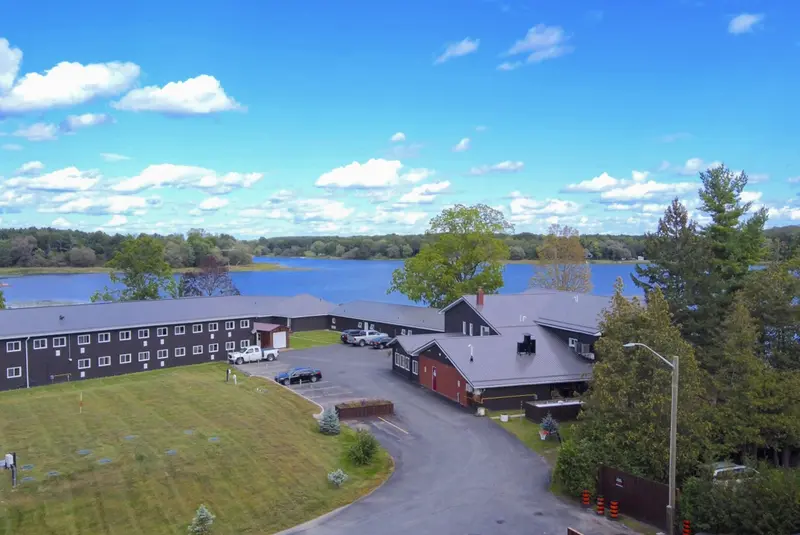
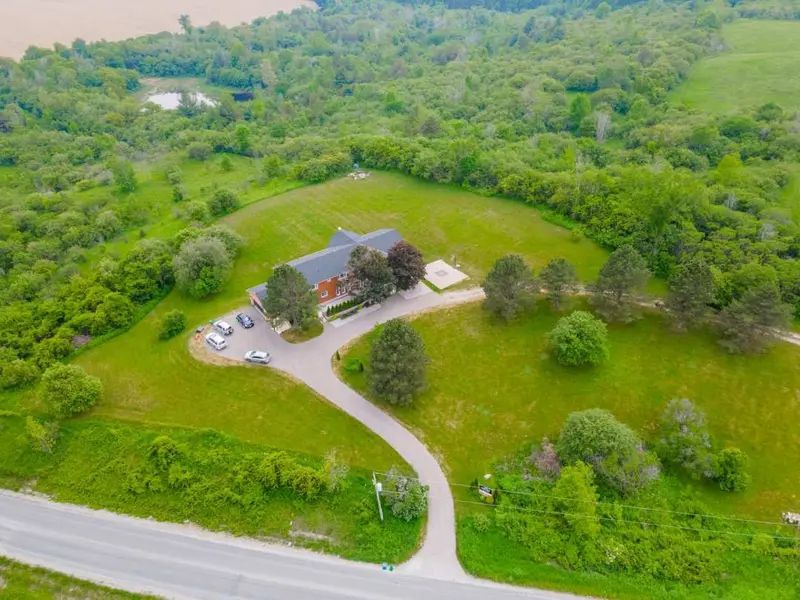
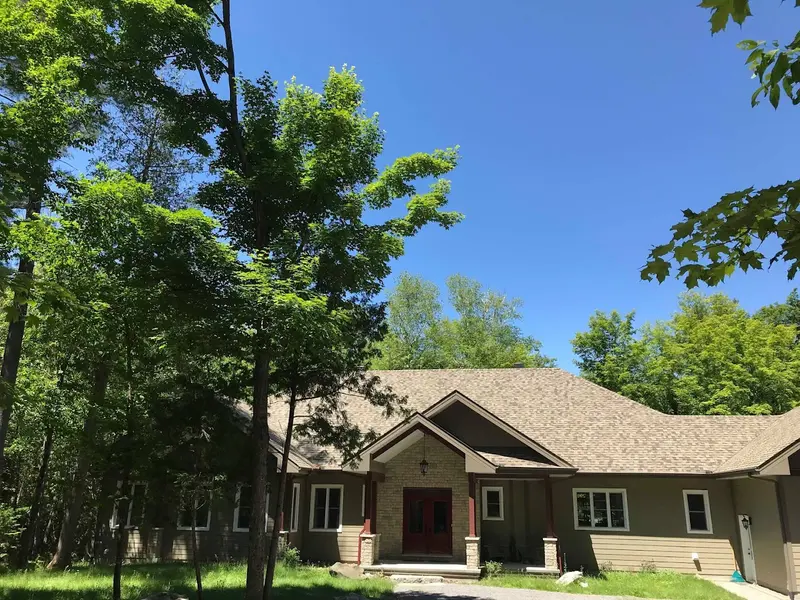
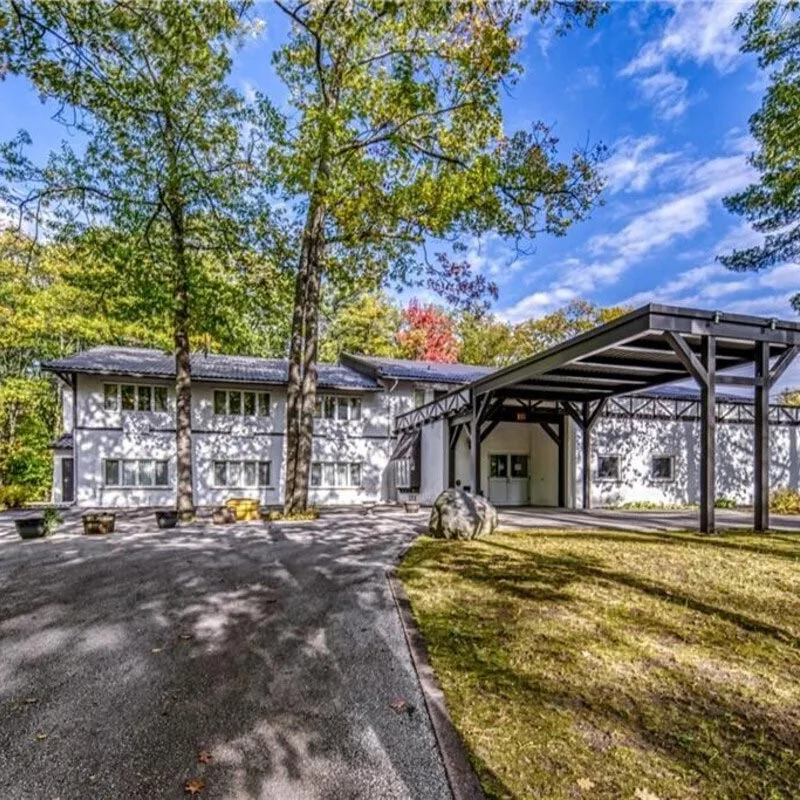
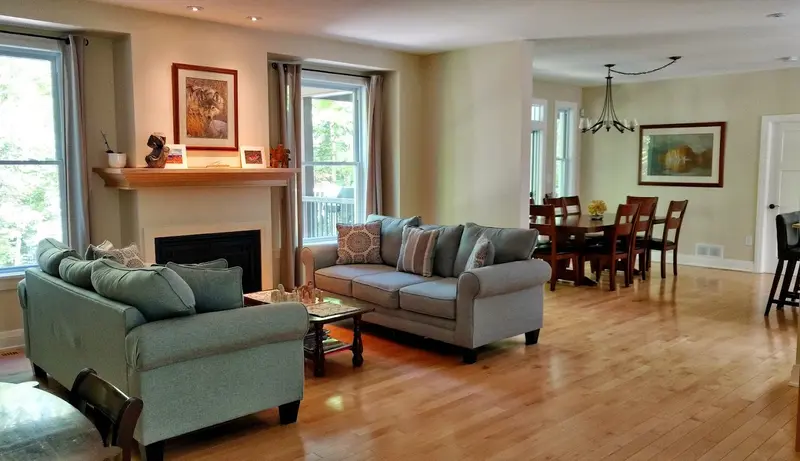
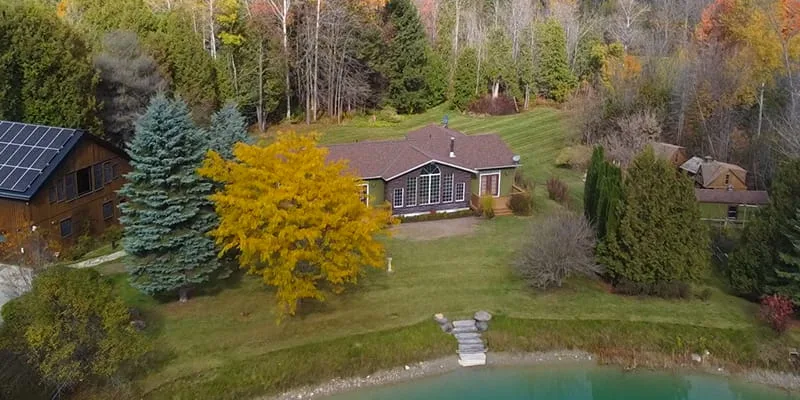
OAR Wellness is on a quiet rural property in Adjala-Tosorontio, at the southern edge of Simcoe County, about an hour from Toronto and a short drive from Tottenham, Bolton and Alliston. The centre describes it as a retreat rather than a hospital. Bedrooms are private or shared, and there are lounges, group rooms and private therapy rooms. Outside, a pond and tall trees surround the house, with room to walk. Meals are cooked on site, and yoga, movement and mindfulness sessions happen on the property. Admissions sends directions once your start date is confirmed.

A Written Plan Before You Go Home
Planning for discharge starts in your first week. By the time you leave you will have a written plan that covers where you will live, who is supporting you, the situations most likely to trigger a relapse and what to do if you need more help. The team connects you with SMART Recovery or 12-step groups, online meetings, an outpatient therapist and a doctor for follow-up. Alumni groups and check-ins with the team continue after discharge, families get aftercare support for up to 30 days, and there is a direct route back into inpatient care if things get hard. The centre is upfront that recovery usually takes two to three years, and it sees the inpatient stay as the first stage.
Graduate-Level Clinicians and a Weekly Family Program
Every clinician at OAR Wellness holds a master's degree or higher, with training in CBT, DBT, CPT, EMDR, IFS and other trauma-focused therapies, and the team has close to 70 years of combined experience. The program is for men and women aged 25 and older, many of them working professionals, students and parents. Families are part of treatment when the client agrees. A family team member calls within 24 hours of admission, and families then get 12 hours of programming a month, a four-week education course and a group session every Sunday afternoon followed by a visit.
OAR Wellness: Center Overview
What sets OAR Wellness apart is its realistic, forward-focused philosophy toward recovery. Rather than offering quick fixes, the centre emphasizes long-term healing through individualized care, family involvement, and practical strategies that help clients rebuild routines, relationships, and overall well-being. Their compassionate and highly experienced clinicians work closely with each individual to create a personalized recovery path in a safe, supportive, and judgment-free environment.
What's included in your stay
11 services · as described on the centre's websiteWhether someone is seeking support for addiction recovery, mental health treatment, or overall wellness improvement, OAR Wellness provides professional care focused on lasting transformation and healthier living.
How a stay at OAR Wellness works
Five parts of the program, from the first call to dischargeA clinical and medical review of your history before anyone commits.
Clients start on a Monday, once any detox is finished.
Individual and group sessions using CBT, DBT, CPT and EMDR.
Sleep, meals, fitness, routines and handling stress and cravings.
A written plan for home, support and relapse prevention.