
Sobriety.ca Foundation: a small residential rehab between Ottawa and Montreal
Sobriety.ca Foundation is a not-for-profit that runs a live-in addiction treatment centre called Sobriety Home. Its admissions office is on the 11th floor of 343 Preston Street in Ottawa, but treatment does not happen there. The residence is a converted farm property on Route 138 in Godmanchester, Quebec, near Huntingdon in the Haut-Saint-Laurent. The centre puts the drive from Ottawa at under two hours, and Montreal is about an hour away.
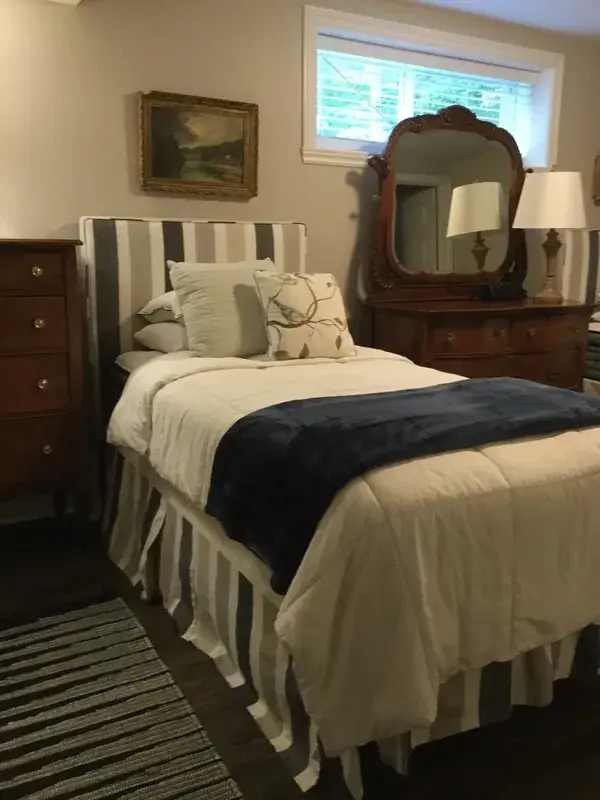
The house takes no more than 12 clients at a time, all adults 18 and over, and each one gets a private room with a private bathroom. People come for alcohol, drugs, prescription medication and gambling. You can refer yourself without a doctor's letter, and the centre also accepts pets, which is rare for a residential program.
An Old Farm Property in the Haut-Saint-Laurent
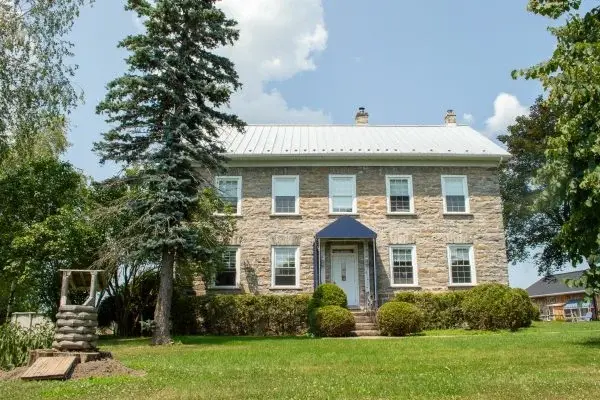
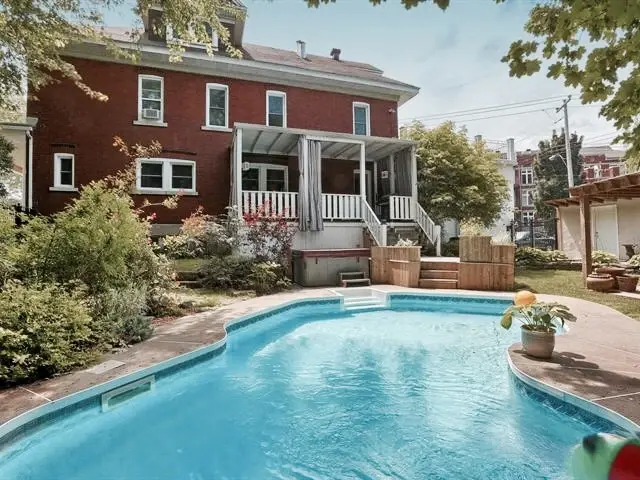
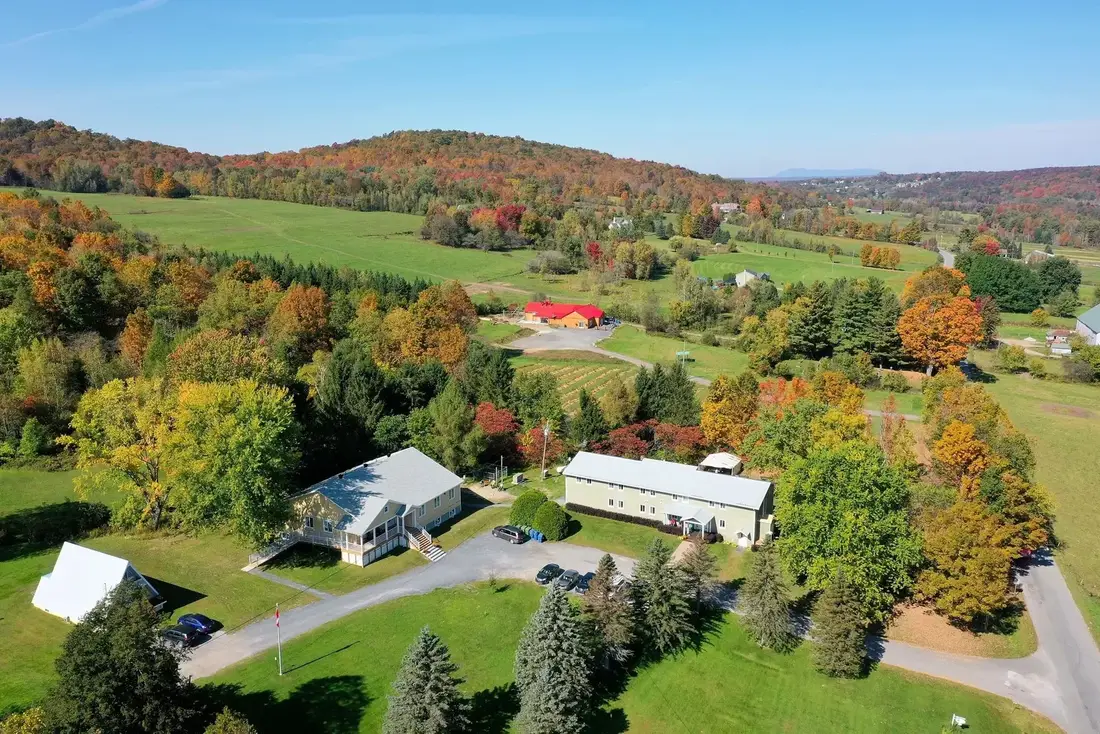
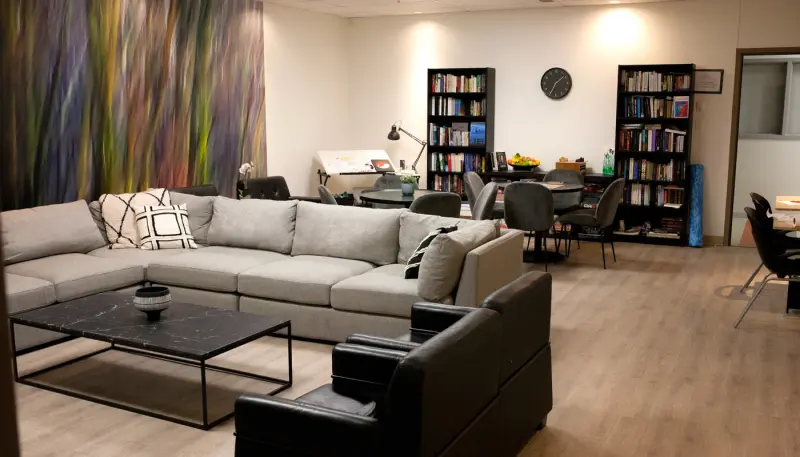
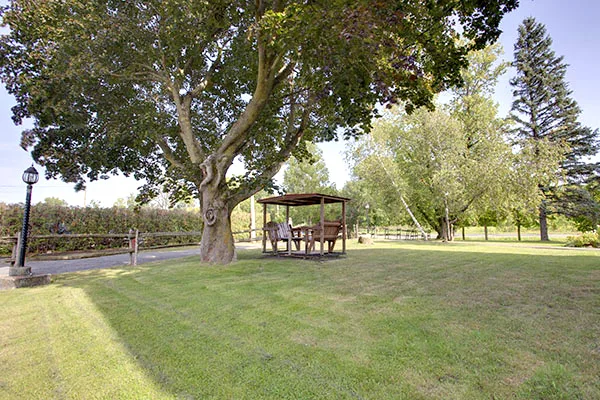
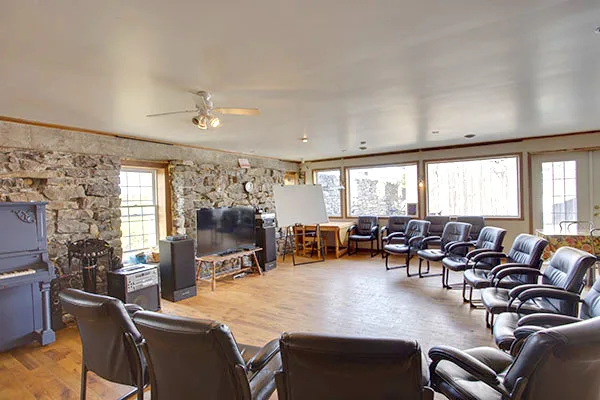
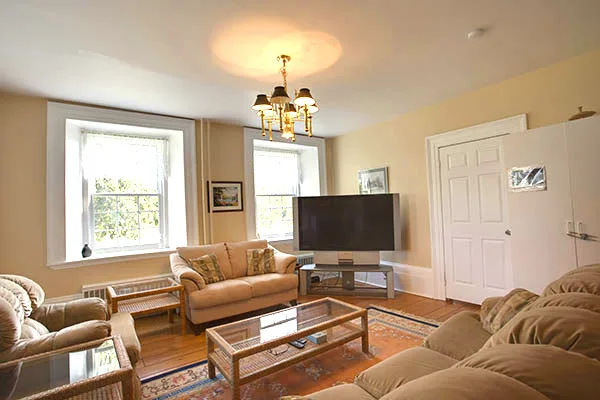
Sobriety Home sits on more than two acres of farmland along Route 138 in Godmanchester, a rural township near Huntingdon in southwestern Quebec. Several buildings are spread across the property, including stone-walled group rooms, barns turned into common spaces, a gym and a separate house where the women sleep. In summer people use the pool and the patios. The New York border is about ten minutes south, Montreal is about an hour away, and the centre puts Ottawa at under two hours, close enough for family visits.
Online Aftercare and an Exit Plan
Before you go home you work out a written exit plan with your counsellor. Graduates then get access to the centre's online aftercare platform, where trained facilitators run group meetings that you join from a computer or phone. The centre says it stays in touch with clients and their families for more than a year, and family and spousal counselling carry on as part of that extended aftercare. People who left treatment early can arrange a shorter stay only if it comes with more aftercare and outpatient counselling.
A Nurse, a Weekly Doctor and Master's-Level Therapists
A registered nurse works on site, a local physician sees each resident once a week, and a consulting psychiatrist is available for concurrent mental health conditions. The centre says all of its therapists and counsellors hold a master's degree or higher. A trained fitness counsellor runs the gym program, and Native elders lead healing circles and sweat lodge ceremonies. Staff can collect you anywhere within 100 kilometres of the house, or from the airport or train station.
Sobriety.ca Foundation: centre overview
Care runs in three stages. New arrivals who need it go through medical detox on site, which averages about seven days. A short rest period of up to 48 hours follows for anyone who is stable but worn out, and then the core treatment program begins. That program usually lasts at least 30 days and can run longer. A registered nurse works on site, a local physician sees every resident once a week, and a consulting psychiatrist handles concurrent conditions such as depression, anxiety and PTSD. The physician can prescribe anti-craving medication, including methadone and Suboxone.
What's included in your stay
11 services · as described on the centre's websiteIndividual therapy is required for everyone. Group sessions are suggested case by case, and family and spousal counselling are offered as well. The centre describes its approach as non-12-step and medical-psychological, built on CBT, DBT, psychodynamic and trauma therapy, with SMART Recovery and an introduction to the 12 steps for those who want it. Yoga, massage, art therapy and an on-site gym fill out the days. Women sleep in a separate house from the men and have women-only sessions, while most groups are mixed.
Your stay, stage by stage
The three programs the centre describes, plus what comes before and afterSelf-referrals welcome; staff call back and can pick you up.
About seven days on site, with nursing and physician care.
Up to 48 hours of quiet stabilization before therapy starts.
30 days or more of individual therapy, groups and activities.
A written plan, then online groups and family follow-up.